























anthony kim's comeback: Tiger Woods explains why the win at Adelaide resonated

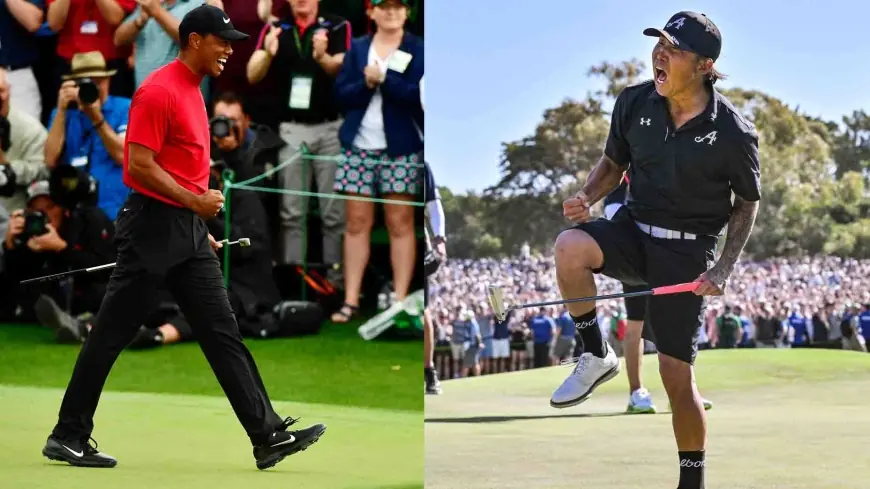
Anthony Kim completed a comeback that felt as much personal as professional, sinking clutch putts to win at LIV Golf Adelaide and claim his first trophy in 16 years. The victory drew an emotional reaction from Tiger Woods, who said the arc of Kim’s return — from prodigy to absence to revival — carried a universal power that spoke to athletes and fans alike.
Why the victory felt bigger than the leaderboard
Kim’s win at The Grange was more than a weekend triumph; it was the culmination of a long, well-documented struggle. Once one of the sport’s brightest talents, he captured three professional victories before age 25 and rose into the world top 10. A serious Achilles injury in 2012 precipitated a lengthy retreat from competitive golf. In the years that followed he battled further injuries and difficult personal challenges, at times describing his own fight with addiction and deep mental lows.
His return to competition in 2024 was tentative. He joined a new tour and had to relearn parts of his game, acknowledging unfamiliarity with modern equipment and the need to rebuild fundamentals. He earned his way back into contention by surviving a promotions event — making a crucial birdie on the 36th hole to secure a spot in the weekend field — and then chipped away until he was in a position to win.
The human elements made every putt feel consequential. Kim said that each successful stroke felt like he was digging himself out of the lows he’d endured. For many observers, that layered context transformed routine par saves and birdies into dramatic moments of recovery and redemption.
Tiger Woods’ perspective: a comeback that resonated
Tiger Woods, who has navigated his own highly public injuries and comebacks, said Kim’s performance hit home because it combined historic talent with a clear personal transformation. He reflected on the younger player who once electrified fields and the man who returned after long absences — and noted that both versions can coexist in one career.
Woods pointed to Kim’s past feats — bursts of brilliance in major settings and team events — and contrasted that with the changed demeanor of a 40-year-old who has faced significant life challenges. The win, Woods suggested, was proof that perseverance and work behind the scenes can yield profound moments on the course.
For other players and observers, Woods’ reaction underscored a broader truth: the sport often produces comeback stories that are as emotionally compelling as they are competitively significant. When a well-known talent re-emerges and performs under pressure, it invites empathy and admiration across the locker room and beyond.
What this could mean for Kim and the wider picture
The immediate impact for Kim is obvious — a trophy, a boost in confidence and renewed attention to a career that once seemed closed. More broadly, the triumph may alter perceptions about longevity and reinvention in professional golf. If a player who spent years out of the spotlight can return and beat top-ranked opponents, it raises fresh questions about how careers can be managed, how support systems matter, and how comebacks should be viewed.
Kim himself emphasized the role of family in his turnaround, crediting his wife and daughter with helping him find purpose and stability. He framed the victory as therapeutic, a moment where the physical execution of shots intersected with emotional closure. For a sport that often measures success in strokes and trophies, that blend of performance and personal healing gave the win an uncommon weight.
Whether this marks a sustained resurgence or a singular high point remains to be seen, but for now the golf world and its champions are pausing to acknowledge what happened on the green: a rare and resonant comeback that connected at a human level as much as a competitive one.