
























charles bronson faces fresh parole review after 52 years behind bars

Notorious long-term prisoner Charles Bronson, now 73, returned to the Parole Board's written-review process this week as a panel weighs whether he can be safely moved into less restrictive conditions or released. The decision, which follows a last-minute legal change-up, could clear him for transfer to an open prison, order an oral hearing, or delay any change in status.
What the written review will consider
This is the ninth time the parole system has assessed Bronson's case. Panels review the available paper evidence: assessments from prison staff, psychiatric evaluations, probation advice and representations from the prisoner and their legal team. The central test is risk—whether Bronson would pose an unacceptable danger to the public if released, and whether any identified risks could be managed by conditions on release or a move into open conditions.
Bronson has been detained for more than five decades after an armed robbery conviction in 1974 and a pattern of violent incidents inside custody. He received a life sentence following a hostage-taking incident in 1999 and has further convictions for assaults on prison staff, most recently in 2014. Much of his sentence has been served under highly restrictive conditions, including extensive periods in solitary confinement.
Legal tactics and a combative stance
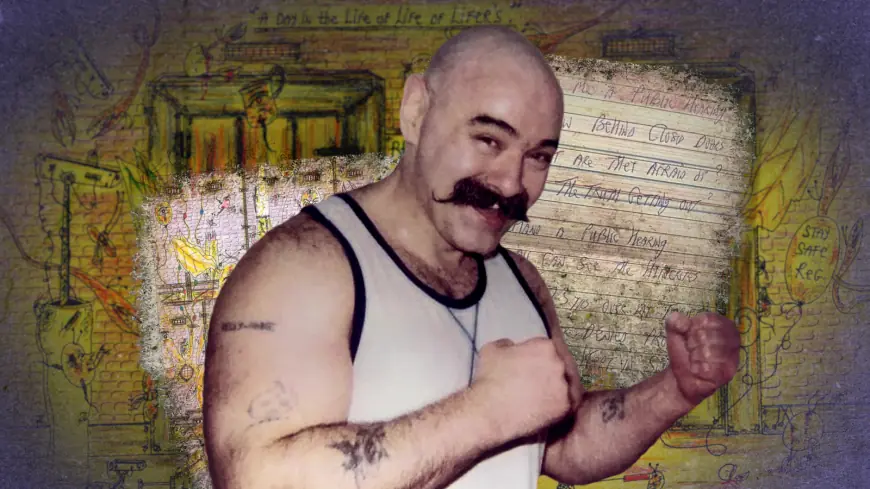
In advance of the latest review, Bronson dismissed his previous legal team and initially refused to engage with the parole process, having earlier sought a public oral hearing that was declined. In a written letter he declared: "Sacked the legal team!" and challenged the system with the line, "What are they afraid of? The truth getting out?"
Those moves risk complicating his case, but a newly instructed solicitor secured a postponement that allowed the paper-based review to proceed. The panel can now conclude the matter on the papers, order a transfer to looser conditions, or decide that an oral hearing is necessary to resolve outstanding questions.
Observers in the field of forensic psychiatry caution that anger or combative behaviour alone does not automatically preclude progress through the parole system. One clinician who treated Bronson decades ago assessed his recent stance as rooted in long-term frustration; he argued that such emotions are not necessarily disqualifying when balanced against psychiatric reports and risk management plans.
Reflections from inside and the wider picture
Over the years Bronson has been outspoken about his time inside, describing periods as "horrendous and brutal" yet saying he retains hope and faith for the future. He changed his name in 2014 and has repeatedly reflected on the characters he encountered in custody, naming infamous inmates and gangland figures he says he met while serving time. He has also spoken about advice offered by other prisoners and how those interactions shaped his outlook behind bars.
Whatever the panel decides, the outcome will be framed by the same balancing act at the heart of parole: public safety versus the potential for rehabilitation and controlled reintegration. For Bronson, whose institutional record includes repeated violent episodes, that balance has proved difficult to tip for nearly 30 years.
If the panel clears him for less restrictive conditions, the next step could be a move to an open prison where progress can be monitored in a lower-security environment. If doubts remain, the panel may order an oral hearing to test evidence in person, or they may decide to defer any change. Any release would be subject to conditions designed to protect the public.
As the panel completes its paper review today (ET), attention will focus on whether long incarceration, intermittent engagement with parole procedures, and his current assessments combine to produce a recommendation for change—or another delay in a case that has spanned more than half a century.