













UK goes experimental as look mum no computer eurovision song pick aims to shock Vienna

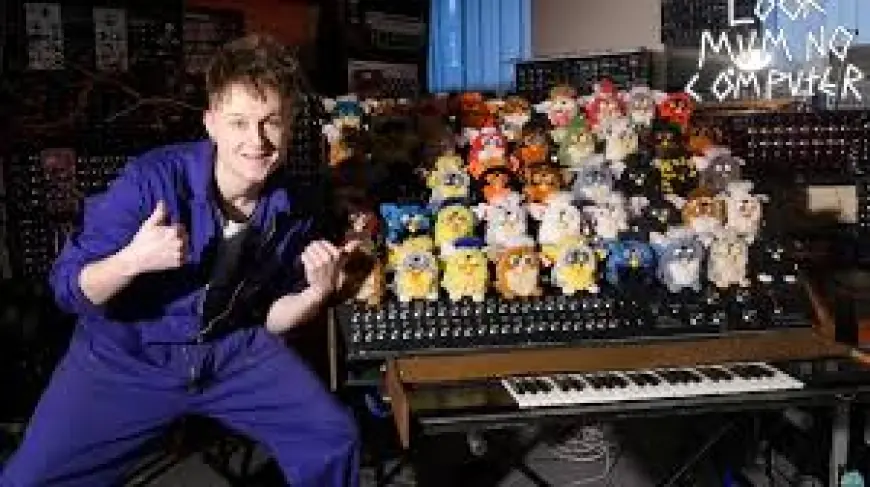
The UK has chosen electronic artist, inventor and YouTuber Look Mum No Computer to represent the country at the Eurovision Song Contest in Vienna in May 2026. The Kent-based musician, known for building bizarre instruments and documenting his creative process online, promises an unconventional live show and a song that has not yet been released to the public.
An intentional gamble: why Britain picked left-field creativity
The selection is a deliberate pivot away from safe, nostalgic choices. Recent contest history and dwindling viewership have prompted a rethink: the organisers wanted an act that could cut through the noise and deliver something visually and sonically distinct. Look Mum No Computer’s blend of inventive stagecraft and idiosyncratic electronics feels tailored to the modern contest, where striking imagery and quirky hooks often translate into viral moments and jury intrigue.
There are bigger geopolitical headaches for the contest this year, with several countries opting not to participate, and broadcasters across Europe grappling with declines in live television audiences. Against that backdrop, the UK appears willing to take a risk that conventional entries rarely achieve: fully leaning into eccentricity rather than trying to replicate mainstream pop trends.
The artist, the machines and the message
Look Mum No Computer is the stage name of Sam Battle, who first emerged as frontman of an indie band before developing a reputation as a builder of custom electronic instruments. He holds a world record for creating a large-scale drone synthesizer and runs a small museum dedicated to experimental and obsolete musical technology. His catalogue of creations includes organs made from toy electronics, Game Boys reprogrammed to play pipe organ music, bicycle-powered synthesisers and pyrotechnic keyboards.
Battle has built a strong online following by documenting how he constructs and composes with these machines. He says he is a lifelong fan of Eurovision and described the opportunity to perform in Vienna as "completely bonkers" and an "absolute honour". He has pledged to bring "every ounce" of his creativity to the stage and hinted that the performance will showcase new instruments and theatrical staging designed specifically for the contest.
What to expect in Vienna
The entry song remains under wraps, but early cues suggest a composition designed to be both a listening experience and a visual spectacle. Expect layers of analogue synthesis, unusual timbres produced by modified toys and bespoke hardware, and a strong visual narrative to accompany the sound. This approach plays to the strengths of an artist who documents process as part of his art—fans are likely to see engineered oddities integrated into a coherent pop performance.
Eurovision success hinges on more than novelty: strong songwriting, a memorable hook, and staging that communicates emotions clearly to viewers across many countries all matter. The UK’s recent top results have been rare, and this selection signals a willingness to break from tried formulas. If the performance can balance eccentric invention with an accessible core, it could connect with juries and viewers who reward originality. If not, it risks being dismissed as a gimmick.
Either way, this choice guarantees conversation. With several nations missing from the line-up and audiences increasingly fragmented, the UK is betting that boldness and invention will deliver attention—and perhaps an unexpected run at the scoreboard—in Vienna this May.