






















fat tuesday: New Orleans shines in sequins, beads and the final Carnival hurrah

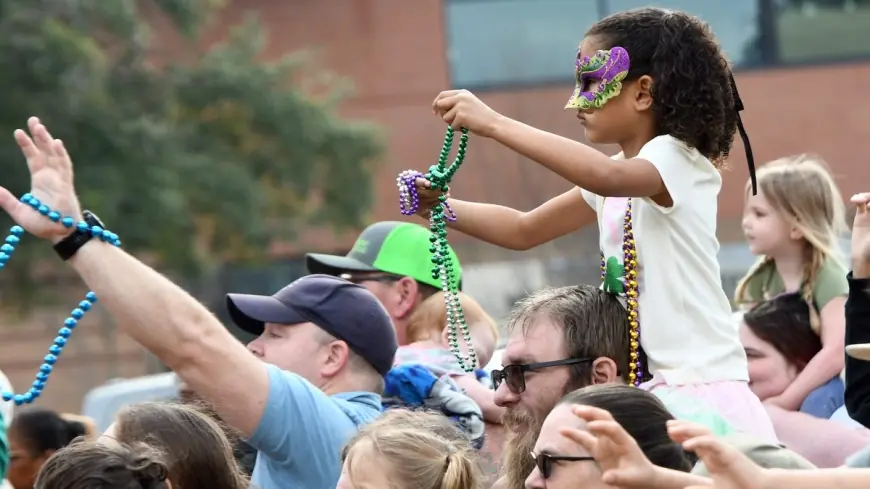
Thousands of revelers transformed New Orleans into a kaleidoscope of green, gold and purple on Fat Tuesday, with parades, marching bands and coveted parade throws closing out weeks of Carnival festivities on Tuesday, Feb. 17 (ET). The city’s streets filled from dawn as locals and visitors seized one last day of indulgence before the start of Lent.
Pageantry and parade culture on St. Charles Avenue
From wrought-iron balconies people called down the familiar plea, “Throw me something, Mister, ” as enormous floats rolled along historic St. Charles Avenue. Parade-goers staked out prime spots at sunrise, hauling chairs, coolers, grills and ladders for elevated views. Bands fired up brass and rhythm sections, while floats carried riders in elaborate costumes and feathered headdresses, their music echoing through residential avenues and the French Quarter.
Each krewe brought its own signature throws — strings of plastic beads, doubloons, cups, stuffed animals, candy and small toys — but the hand-decorated coconuts tossed by the Zulu parade remained among the most prized. When a man wearing a crawfish outfit caught one of those coconuts, the gold glitter on its husk flashed in the sunlight as he waved it aloft, a moment typical of the day’s exuberance.
Costuming ranged from glitter-splashed eveningwear to intricate home-made creations and tributes to local traditions. Black masking Indians strode through crowds in beaded, bejeweled ensembles topped with towering feathered headdresses, while others favored sequins and electric face paint. For many longtime residents, the day is as much about seeing the creativity of others as participating — one reveler summed it up: “The world will be here tomorrow, but today is a day off and a time to party. ”
Tradition, regional variations and the wider celebration
Fat Tuesday marks the culmination of Carnival — a final, boisterous farewell before Ash Wednesday and the 40 days of Lent. In urban centers the focus is on massive parades and balls; across Louisiana, the holiday takes diverse forms. In Central Louisiana, rural communities stage the Courir de Mardi Gras, a folkloric run in which costumed participants collect ingredients and chase live chickens for a communal gumbo. Coastal cities and other Gulf Coast towns staged parades of their own, echoing the revelry.
The holiday’s reach extends beyond the state and the nation. Carnival celebrations around the world vary widely: from seismic street carnivals with samba and floats to quaint local contests and pancake races steeped in tradition. Even small-town rituals carry local flavor and spur community gatherings built on food, music and pageantry.
Moments that punctuated the revelry
Carnival days are often unpredictable. In one headline-grabbing moment, an actor was arrested during the festivities, drawing brief attention amid the larger scene of celebration. Despite occasional disruptions, the mood of Fat Tuesday remained overwhelmingly festive: parades continued, makeshift tailgates and backyard grills kept the aromas of Southern cooking drifting through the streets, and bands marched on.
For many, the conclusion of Carnival is bittersweet. Seasoned celebrants who have moved away find the city’s energy irresistible and return year after year to reconnect with friends and tradition. Whether attendees came for the music, the costumes, the communal meals or the sheer spectacle of the throws, the day offered a concentrated slice of why New Orleans’ Mardi Gras has endured as a cultural touchstone.
As the final floats rolled away and beads tumbled into the gutters, revelers carried the night’s stories forward — souvenirs, glitter and the memory of a city that, for one last day before Lent, invited everyone to let the good times roll.