







Ivanka Trump Called Out Over lunar new year Fashion Faux Pas

Ivanka Trump faced swift backlash after a social media post on Tuesday, Feb. 17, 2026 (ET), celebrating the Lunar New Year while pictured in a white blazer — a color many linked to mourning in Chinese cultural tradition. The short message promising new projects and a photo intended to mark the Year of the Horse instead sparked debate over tone, symbolism and political optics.
What she posted
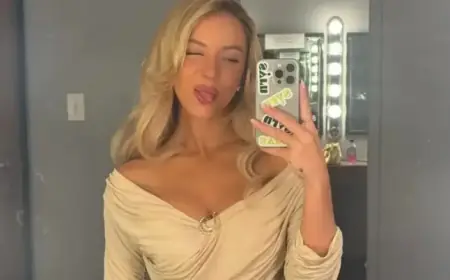
In a brief message marking the Year of the Horse, Ivanka spoke of courage, energy and “fearless creation, ” saying she was stepping into the year with “clarity and conviction” and would soon share projects she had been developing. She closed the note with “Happy Lunar New Year 新年快乐” and included a posed photo of herself in a white suit, looking away from the camera.
Reaction and cultural context
Social media users were quick to call out the color choice. In many parts of Greater China and among communities that observe traditional customs, white is associated with funerals, grief and mourning — a stark contrast to the bright reds, golds and festive hues typically worn for New Year celebrations to invite luck and prosperity. Comments ranged from calls of genuine tone-deafness to suggestions that the choice was an innocent cultural misunderstanding.
One public figure reacted with dark humor, suggesting the outfit looked like attire for an impending political funeral. Other online commentators urged political figures to stick with more auspicious colors for the holiday, while some defended Ivanka by noting that cultural practices vary by region and generation and that not every individual will follow every custom.
Political backdrop and wider responses
The exchange came on the same day that President Trump issued a separate Lunar New Year message tying the horse’s symbolism — momentum, vitality and freedom — to national themes. That message referenced traditions of family and renewal and extended greetings to Asian American communities and global celebrants as festivities began on Feb. 17, 2026 (ET).
Observers pointed out the juxtaposition of the two public notes: a presidential message framing the holiday in patriotic terms, and a private-family post that drew criticism for cultural insensitivity. The family’s relationship with China remains a recurrent talking point in public debate, tied to past trade tensions, recent diplomatic contacts and broader questions about engagement and messaging.
Ivanka largely stepped back from formal political roles following her time as a senior adviser in her father’s first term. Still, her public statements and appearances continue to attract scrutiny for what they may signal about future ambitions or messaging strategies. The white outfit controversy is the latest example of how small symbolic choices can become amplified in the modern media environment, especially around culturally significant observances.
The episode underscores how public figures navigating multicultural occasions face heightened risks of misreading symbolism. Whether the backlash reflects genuine offense, performative outrage, or both, it has already shaped the public conversation around a holiday meant for renewal and good fortune.