


















brewdog beer investors brace as possible sale leaves crowdfunders exposed

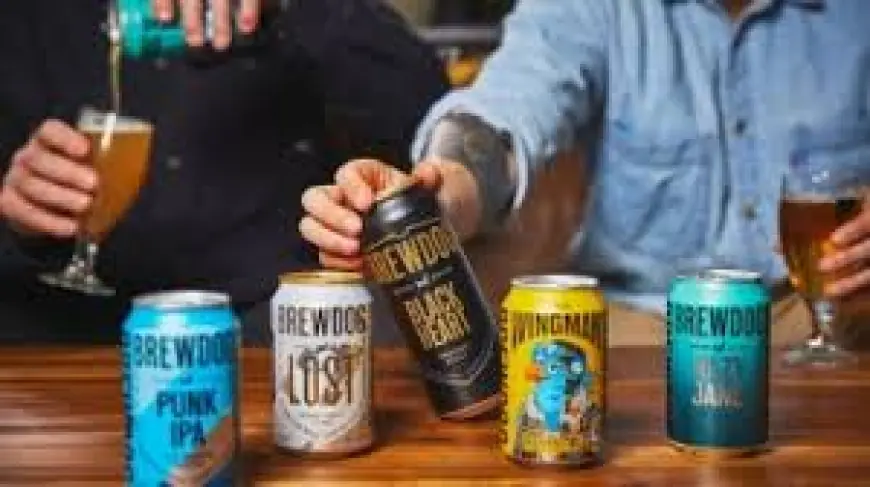
Hundreds of thousands of small investors who backed Brewdog's Equity for Punks crowdfunding rounds are confronting the real prospect that their stakes could be wiped out as the beer group explores a sale or strategic break-up. Longtime supporters and recent contributors say the shift away from retail shareholders toward institutional money is a bitter reversal of the brewer’s early promise.
How everyday investors could be left with nothing
When Brewdog launched Equity for Punks, it pitched beer lovers the chance to own a slice of an insurgent brewery and share in future growth — perks included discounts, free birthday pints and invitations to the famously raucous annual meeting. Across seven fundraising rounds between 2009 and 2021, roughly 220, 000 contributors put in about £75m, typically buying shares for £20-30 each and often investing modest sums.
Some backers invested far more. One investor, a 58-year-old former small business adviser, put in £12, 000, expecting expansion and an eventual public listing that would let him trade his holding. Now that the company is preparing for a potential sale process, that prospect looks increasingly remote.
The growing risk stems from the structure of later financings. In 2017, a private equity firm took a roughly 22% stake on preferential terms. Those preference shares carry senior rights on any return of capital and are likely to be prioritised in a sale or recapitalisation. Ordinary shareholders from the crowdfunding rounds do not hold the same protections, meaning they could be behind institutional backers in any distribution of proceeds.
Why the company is exploring a sale and what it might mean
Management has engaged external advisers to evaluate options for the business, including a full sale, a break-up into components such as breweries, bars or brand portfolios, or other forms of investment. The company has grown rapidly from a small unit in north-east Scotland to an international operation with multiple breweries and over 70 bars, but it has also reported losses at times, increasing pressure to find new capital or strategic partners.
A sale process could produce a windfall for holders of preference shares or buyers interested in individual assets, but it also raises the possibility that the retail equity base will be left with little or nothing. Many crowdfunding investors were motivated by community and culture as much as by financial return; some say the experiences and perks they received were worth their outlay, while others feel overlooked.
On investor forums and at shareholder gatherings, responses range from resignation to anger. Some say they never expected to make a significant profit and saw their contributions as supporting a brand and community. Others say they were misled about the likelihood of liquidity and are frustrated that management appears to be pursuing institutional capital at the expense of ordinary shareholders.
Next steps for investors and the likely timeline
The advisers will evaluate options and seek potential buyers or investors. That process can take weeks to months and may involve bids for the whole business or for specific divisions. If a sale is completed that puts preference shareholders first, ordinary crowdfunders may be offered nothing. There is also the possibility of structures that preserve some value for retail holders, but those would need to be negotiated and approved by stakeholders and buyers.
For now, small shareholders should review the terms of their share class, retain any documentation from past rounds, and consider engaging with investor groups that are already discussing responses. Legal remedies are limited when share classes have unequal rights, but collective action or formal questions at company meetings can increase visibility of retail concerns.
The unfolding situation is a stark reminder that crowd-backed ventures can evolve into capital structures that deprioritise the very investors who helped fund their rise. For many who backed the brewer out of enthusiasm rather than expectation of easy profits, the cultural value of their involvement will now be weighed against the financial reality of a possible sale.