























Inside the rush: gordon ramsay’s six-part series sparks praise — and charge of extended self-promotion

The new six-part documentary follows gordon ramsay as he attempts one of his boldest business moves yet: opening five distinct hospitality concepts across the top floors of a London skyscraper. The project — a reported £20m undertaking — is captured in granular detail, from family breakfasts to menu tastings, and has prompted a split reaction: admiration for the work ethic and craft, frustration at what some see as a lengthy brand-building exercise.
What the cameras follow
The series spends hours on the logistics and personalities behind a multi-venue launch. Viewers see the design choices, prototype fittings and the kind of obsessive small adjustments that can make or break a high-end opening — aprons reworked to avoid unsightly pockets, leather seating vetoed, a retractable roof engineered for a rooftop garden. The operation spans a 27, 000 sq ft footprint and includes a 60-seat rooftop spot, a large Asian-influenced restaurant called Lucky Cat, a brasserie outpost and a culinary school, all located at 22 Bishopsgate.
There are sequences devoted to menu testing that underline the perfectionism: chefs and tasters pore over the size and texture of a rum baba, plate composition, and how service staff present dishes. That attention to detail is where the series most clearly succeeds — it offers a behind-the-scenes look at culinary standards and the exacting craft that drives an experienced restaurateur and his team.
Family portrait and the human angle
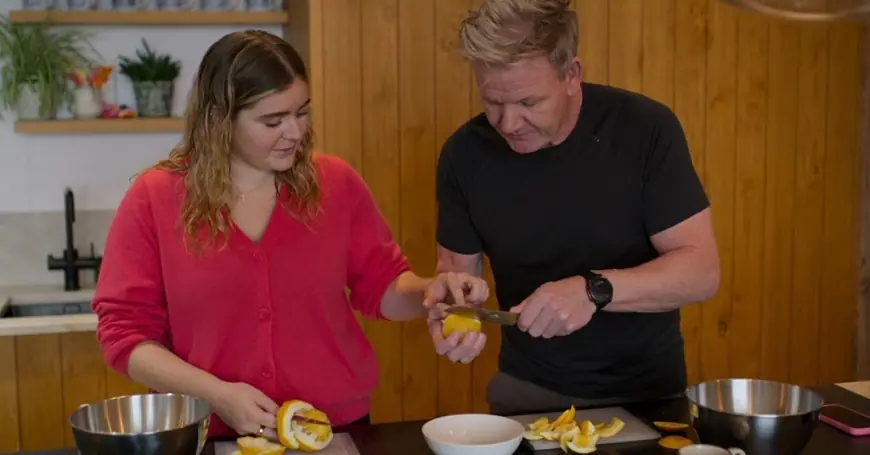
Intercut with the restaurant drama are quiet domestic scenes. The camera lingers on family breakfasts, playful moments with children and conversations with a long-term partner, presenting a softer, more human side of the figure often associated with fiery temper and blunt feedback. Those moments are deliberately intimate: a father correcting pancake thickness, quieter reflections on upbringing, and the evident affection among family members.
That personal material helps reframe the central figure from a TV personality to a driven entrepreneur shaped by earlier hardship. The series includes candid recollections about growing up on a council estate and memories that still drive a fear of loss — a theme that threads through the public and private footage and offers context for why the subject continues to build and expand despite an already global presence.
Critical split: admiration, exhaustion and the matter of intent
Even admirers concede the series feels like a prolonged piece of promotion. Over six hours, the tempo sometimes lags under the weight of logistical minutiae and repeated refrains of risk and legacy. Critics who praise the filmmaking highlight its honest look at workmanship and the spectacle of high-stakes hospitality; detractors argue the format inflates routine project management into long-form celebrity theatre.
Commercial realities surface as well. The subject juggles an international brand, satellite projects and high-profile launches, and the cameras capture both the glamour — private jets and helicopter transfers are part of the picture — and the pressure that accompanies rapid expansion. There are pointed scenes of influencer invitations to early launch events and the balancing act between critical acclaim and social-media momentum.
Ultimately, the series will appeal to different viewers for different reasons: those fascinated by the nuts and bolts of opening restaurants will find the granularity absorbing; fans seeking a tightly edited character study may be wary of six hours of material that often reads as promotional. Either way, the project underlines a simple truth about its subject — relentless drive remains central, whether in the kitchen, boardroom or at home — and that obsession is what keeps both admirers and sceptics watching.