













benfica - real madrid: Champions League tie overshadowed by alleged racist abuse

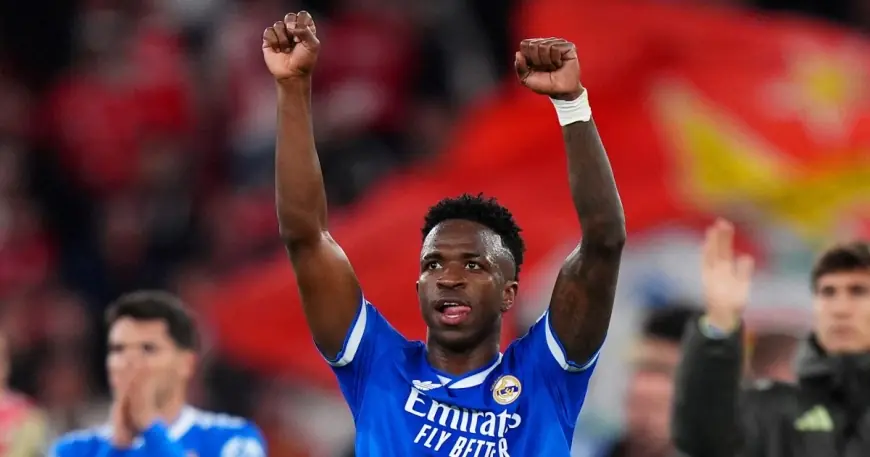
Real Madrid held on for a 1-0 victory in Lisbon, but the result was eclipsed when the game was stopped after Vinícius Júnior reported alleged racist abuse following his spectacular opening goal. The stoppage and the exchanges that followed have left the first leg clouded by controversy ahead of the second legs on 24 and 25 February (ET).
Incident on the pitch and immediate reaction
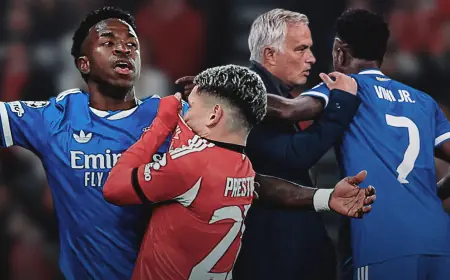
The match looked to be settling into a tight tactical battle until Vinícius Júnior produced the breakthrough with a moment of individual quality. His celebration triggered a confrontation with a Benfica player and, moments later, play was halted after the Real Madrid forward raised concerns about abusive language aimed at him.
Referees intervened and there was an extended pause while players, officials and staff tried to calm the situation. Vinícius received a yellow card for his celebration, a punishment he later questioned as he explained the wider circumstances that surrounded the moment. After discussion, the player returned to the field and Real Madrid carried on to secure the win, but the remainder of the evening was dominated by fallout from the exchange.
Teammates and opponents reacted strongly. One member of the visiting side called the events a "disgrace to football, " saying the episode had overshadowed the team’s performance and emphasising there is no place for discrimination in the sport. A former midfield great described the incident as part of an ongoing educational challenge for players, coaches and match officials, and urged a collective approach to protecting the game’s integrity.
Real Madrid’s coach said the club supports the player and that confronting racism is the priority before shifting focus back to football. He added that discussions were held with the forward at the time and that Vinícius wanted to return and help his team finish the job.
Statements, scrutiny and the wider fallout
Vinícius issued a translated statement condemning the behaviour: "Racists are, above all, cowards. They need to put their shirts in their mouths to show how weak they are. " He criticised what he called a poorly executed protocol during the stoppage and reiterated that while he did not like to be in such situations, it was necessary to speak out.
When asked for his view, another high-profile figure associated with football questioned whether the player’s celebration had inflamed the crowd and noted that words had been exchanged; he said he preferred to remain independent on where blame lies. That comment underscores the complexity of the episode: while abuse allegations dominate the narrative, there are also claims of provocation and a rapid escalation of tensions on the pitch.
Governance authorities will face pressure to investigate the events thoroughly and transparently. The match stoppage has revived debates over stadium protocols, the protection of players, and how referees should handle allegations of discriminatory abuse in real time. Fans and commentators alike will be watching for any sanctions or changes to procedures ahead of the second leg.
For now, both clubs must manage the aftermath while preparing for the return fixtures on 24 and 25 February (ET). Players and managers have stressed their wish to focus on football, but the episode ensures that questions about fan behaviour and match-day protocols will remain centre stage as the knockout tie continues.
Ultimately, the game produced a fine winning goal but that achievement was largely sidelined by the controversy. The coming days and official reviews will determine whether the episode prompts meaningful action or simply becomes another disputed chapter in the sport’s long-running struggle with discrimination.