



















Why anthony kim's comeback resonated — Tiger Woods explains the human side of the win

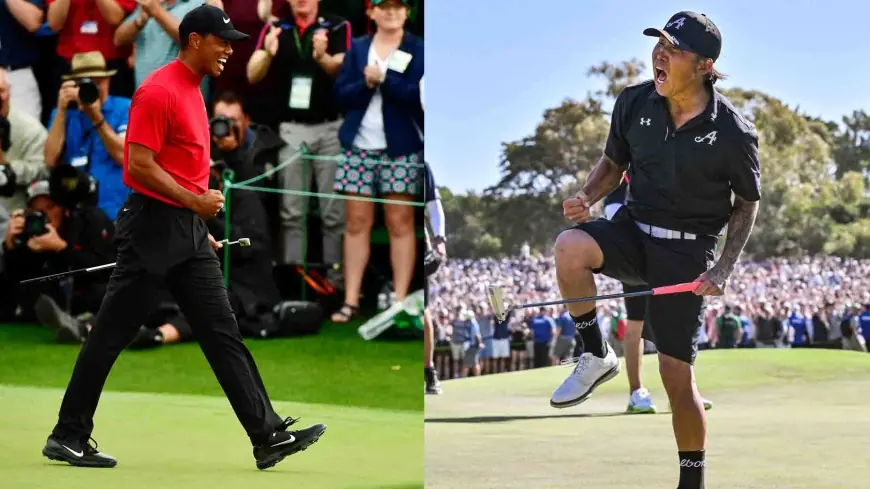
Anthony Kim stunned the golf world on Sunday, pouring in putt after putt to overtake two of the sport’s best and lift his first trophy in 16 years. The victory at Adelaide did more than mark a return to form; it supplied a human story of recovery that connected with players and fans alike, including Tiger Woods.
A comeback decades in the making
Kim’s return is one of those rare sports narratives that reads like a novel. Once a prodigy who won three times before turning 25 and rose to No. 6 in the world, he vanished from the professional scene after an Achilles injury in 2012. Over the years he battled multiple injuries and personal struggles, and for more than a decade became a near-mythical figure—talked about in whispers, speculated about by observers, rarely seen in public competition.
He only began competing again in 2024, and the path back was anything but smooth. The technical aspects of the modern game were new to him, and early results were modest. Yet behind the scenes he was rebuilding: relearning equipment, honing his short game and working through the physical and mental toll of his absence. A critical step came when he earned his way back into the field through a high-pressure Promotions Event, where a clutch birdie on the 36th hole punched his ticket to the weekend and hinted that the old magic might still be alive.
Why Tiger Woods connected with Kim’s win
Tiger Woods, who has himself navigated a public and painful comeback, saw Kim’s performance as more than a leaderboard finish. Woods recognized the flashes of the young player he once battled—moments of bravado and brilliance—but also the visible change time and hardship have wrought. For Woods, Kim’s victory was a layered story: a reminder that the person who captivated the game years ago can coexist with the man who survived a long, difficult journey.
That duality is what made the win resonate. As Kim drained putts and held off challengers, those shots read like emotional milestones. He described the round as therapeutic, saying every putt felt like digging out of the lows he’d lived through. It was a performance that married technical excellence with personal catharsis, and that blend is what touched people who know the sport intimately and those who simply follow sports for human drama.
What the victory means for Kim and the sport
On a practical level, the win returns Kim to the winner’s circle and validates the work he’s put in since reentering competition. It also reframes his narrative: from a cautionary tale of unfulfilled potential to a story of resilience and second chances. For younger players and fans, it’s a reminder that careers are rarely linear and that physical setbacks and personal battles do not always mark the end.
For the broader golf landscape, Kim’s triumph is an emotional touchstone. It invites conversations about mental health, recovery and the long arc of professional life in sports. It also reintroduces a compelling competitor whose presence will alter how leaders prepare and strategize in upcoming events. Whether this sparks a prolonged return to the top remains to be seen, but the immediate impact is clear: a former star has reclaimed a moment, and that moment means more than a trophy.
Sunday at The Grange in Southern Australia was not just another tournament finish. It was a human victory that tapped into struggle, perseverance and the rare satisfaction of redemption—elements that explain why a seasoned champion like Tiger Woods found it so profoundly moving.