

















Leadership scramble erupts after tony clark’s resignation as MLBPA debates interim successor

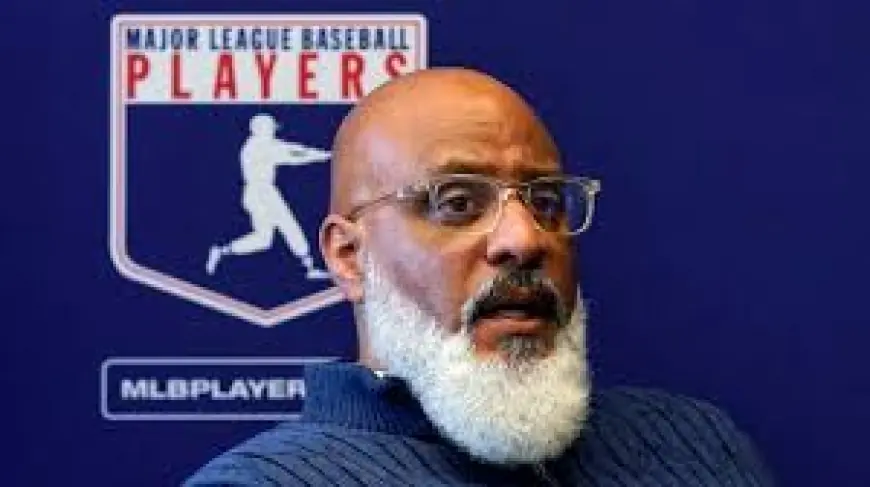
Tony Clark’s abrupt resignation this week plunged the Major League Baseball Players Association into a fast-moving leadership contest, with an interim executive director yet to be named and factions within the union jockeying for influence ahead of the Dec. 1 collective bargaining deadline (ET).
Contenders for the interim post
Deputy executive director Bruce Meyer is widely viewed as a leading candidate to assume the interim executive director role, but the union’s executive board paused short of an immediate appointment after a conference call that included the eight-player executive subcommittee and representatives from all 30 clubs. The hesitation reflects internal unease: some player representatives and agents are urging a broader, more deliberate search rather than an expedited elevation of the deputy.
Other names in the mix include the union’s general counsel, Matt Nussbaum, and former executive director Don Fehr, who led the organization for decades before the current leadership era. Active players who have been prominent in union affairs—Daniel Murphy and Andrew Miller—are also being mentioned as potential choices, signaling interest in candidates with recent player experience as the calendar approaches critical bargaining milestones.
Factional tensions and outside influence
Union deliberations have been colored by concerns over outside influence and internal alliances. A high-profile agent has publicly endorsed Meyer and several of his clients sit on the executive subcommittee, which has intensified scrutiny of any move that might be perceived as consolidating power without broad player buy-in. That dynamic helped prompt several teams to convene meetings as the union weighed whether to hold a vote on immediate succession.
Separately, a prior attempt to unseat Meyer in the spring surfaced again in internal conversations, underscoring long-simmering divisions. That episode, coupled with disputes involving minor-league organizing efforts, has made clear that whoever manages the union through the transition will need both legal acumen and the political skill to unify a fractious membership.
Implications for CBA negotiations and governance
The short-term leadership question has immediate practical consequences: the current collective bargaining agreement does not expire until Dec. 1 (ET), but preparation for talks must remain steady. Players and agents pushing for a wider search argue there is time to vet candidates and ensure continuity, while supporters of a swift interim appointment emphasize the need for uninterrupted bargaining preparation and legal continuity.
Clark’s resignation followed the emergence of an internal inquiry that uncovered an inappropriate relationship with a union employee who is also the executive’s sister-in-law, and it coincided with separate inquiries into financial arrangements tied to union-funded initiatives and outside partners. Those investigations raise governance questions that the next leader—interim or permanent—will have to address head-on to restore confidence among rank-and-file players.
How the union resolves the succession will shape its bargaining posture and internal discipline in the months ahead. An interim leader perceived as broadly acceptable could steady the ship and provide a pathway to an orderly search for a permanent executive director. Conversely, a contentious or narrowly supported appointment risks amplifying internal fractures as teams and player representatives prepare for what is expected to be a high-stakes round of negotiations this winter.
The coming days are likely to bring additional votes, private caucuses and public statements from player representatives as the union balances urgency with the need for legitimacy. With the CBA deadline approaching on Dec. 1 (ET), the choice of who leads the Players Association—if only temporarily—will be closely watched by players, clubs and the broader baseball community.