










charlie mcavoy reflects on Quad God upset, Latvian apology and family at the Olympics

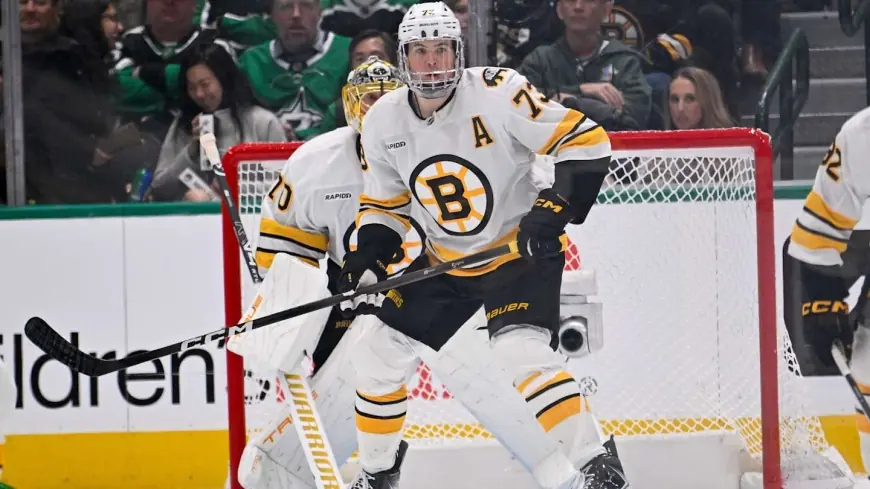
Boston Bruins defenseman Charlie McAvoy is using his Olympic diary to give a candid look at life inside Team USA’s bubble. In a dispatch sent from Milan, McAvoy framed a high-profile figure skating disappointment as a reminder of the pressure of the Games, addressed a tense on-ice collision that preceded the tournament and described how family and new linemates have shaped his start to the event.
"A wake-up call" after the Quad God moment
McAvoy watched the figure skating fallout with teammates and was struck by how quickly fortunes can change at the Olympics. He said the unsuccessful performance by the young skater often labeled the "Quad God" underscored a simple message for the U. S. men’s hockey squad: opportunities at the Games come once every four years, and players must be at their best every day.
That urgency is tangible across the roster. McAvoy, 28, a veteran of international tournaments and now one of his team’s alternate captains, stressed that this group came to represent their country with pride and to leave nothing to chance. The reminder from an unrelated athlete’s heartbreak, he wrote, is exactly the kind of moment that can sharpen focus and cohesion in a short, intense tournament.
From a painful preseason hit to a cordial handshake
One of the more personal threads in McAvoy’s diary centers on an earlier incident in the regular season that left him with a broken jaw. He returned to play after taking a high elbow from Sandis Vilmanis on Feb. 4, 2026 (ET), and the episode followed both players into the Olympic draw, where Team USA met Latvia in the opener.
When the two skated past each other postgame, McAvoy wrote that Vilmanis apologized for the hit. McAvoy declined to quote the exchange in detail, saying what was said was between them, but he made clear he appreciated the gesture. The Americans won the matchup decisively, and McAvoy noted there was never any thought of retribution at the Games; Olympic competition carries its own code and consequences.
The jaw injury and the public scrutiny that followed earlier in the season remain part of McAvoy’s story, but his tone in the diary suggested closure and a desire to move forward with focus on team objectives.
Leadership, chemistry and family presence
On the ice, McAvoy is exploring a new pairing with Quinn Hughes. While the two had not logged extensive minutes together before the Olympics, McAvoy praised Hughes’ creativity and playmaking, describing him as a defenseman who can "freelance" in ways that unlock offense. McAvoy said his job is to read off Hughes, give him the puck in high-value spots and play complementary, responsible hockey around him.
Off the ice, the Olympics have been an emotional lift: McAvoy’s wife and baby are in Milan, along with his parents. He recounted simple family pleasures — sightseeing near the Duomo, meals together, quiet moments that underscore how many people helped him reach this point. That support, he wrote, makes the honor of wearing the national jersey feel even more meaningful.
McAvoy’s diary entries read like a player balancing the weight of expectations and the daily grind of tournament hockey. Between leadership duties, managing recovery from previous injuries and building on-ice chemistry, he and his teammates are trying to translate that focus into consistent results as the Games progress.
As the Olympic schedule moves on, McAvoy’s observations will remain a window into the locker-room mindset: small moments — a handshake, a family dinner, a teammate’s stumble on the world stage — can become catalysts for how a team responds when medals are on the line.