







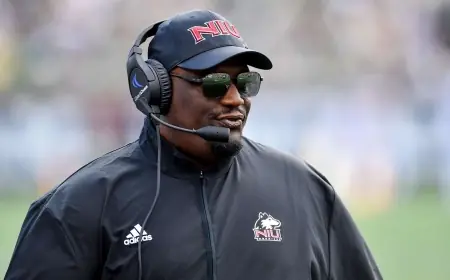

















sherrone moore returns to court as judge orders evidentiary hearing

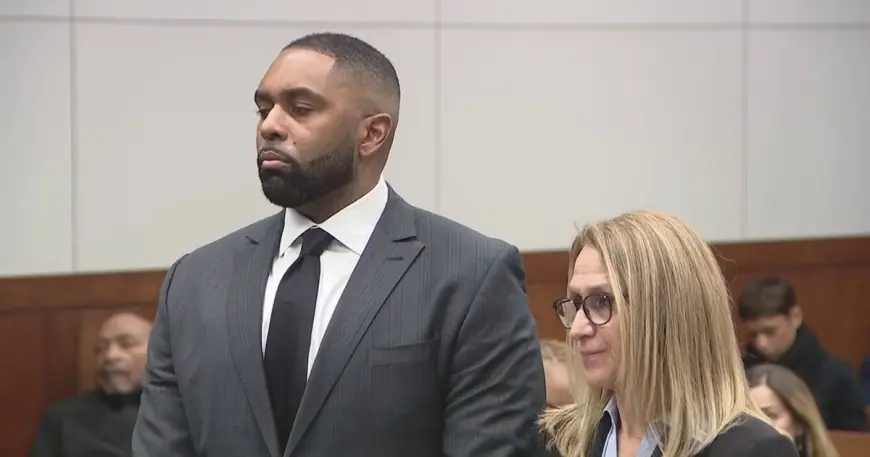
Former University of Michigan head football coach Sherrone Moore appeared in a Washtenaw County courtroom as his defense pressed to have criminal charges dismissed and challenged the validity of the arrest warrant. A judge ordered an evidentiary hearing and set a schedule for further proceedings that could reshape the case.
Defense says warrant was based on false or misleading statements
Moore’s attorneys filed a motion to quash the arrest warrant and dismiss the complaint, arguing the warrant was predicated on false and misleading statements presented as fact. The defense requested a Franks hearing — a proceeding that examines whether information in an affidavit supporting a warrant was deliberately false or recklessly made without regard to the truth.
Defense counsel Ellen Michaels told the court that Moore is innocent of the charges and that key context about the relationship between Moore and the complainant was omitted in the warrant application. Michaels said the court never received a full picture of the employee-employer relationship, and she argued the omitted messages and testimony could have undermined probable cause.
The defense also disputed claims about the nature and timing of Moore’s communications with the staffer, noting that some early calls and texts were work-related and that repeated contact over a short period did not automatically equate to criminal stalking if communications had legitimate purpose.
Judge orders evidentiary hearing, sets next court dates
Judge J. Cedric Simpson granted the defense’s request for an evidentiary hearing, signaling concern that material information may have been left out of the magistrate’s probable-cause evaluation. The judge said the omission of the employment relationship was “glaring” and raised potential due process problems.
The evidentiary hearing has been scheduled for March 2, 2026. Earlier filings set a motion-to-dismiss hearing for Feb. 17, 2026, at 2 p. m. ET, and the court has a tentative probable-cause hearing listed for March 19, 2026, at 9 a. m. ET. Prosecutors had been given a deadline to respond to the motion to dismiss prior to the hearings.
In court, the judge noted that the record did not present a full picture of all communications and context, and that omissions—whether intentional or inadvertent—warranted further inquiry under oath. The ruling opens the door for live testimony and evidence challenging how the investigation and warrant application were handled.
Background: charges, arrest and university action
Moore faces charges that include third-degree home invasion, stalking, and breaking and entering stemming from an incident in early December 2025. He was arrested on Dec. 10, 2025, after a 911 call alleged a man was attacking a woman in a Pittsfield Township apartment. Mental health professionals placed Moore in protective custody after the arrest, and he was released on a $25, 000 bond on Dec. 12, 2025.
The university dismissed Moore from his head coaching position on Dec. 10, 2025, citing an inappropriate relationship with an executive assistant and statements made during the subsequent investigation. Court filings and attorneys’ comments say the alleged relationship and disputed accounts of events immediately before and after the dismissal are central to both the criminal case and the defense’s challenge to the warrant.
With the evidentiary hearing set, the prosecution and defense now prepare to present competing versions of how evidence and statements were gathered and presented to the magistrate. The outcomes of the March 2 hearing and the related motion schedules will determine whether the case proceeds to a full probable-cause hearing or is dismissed before trial.