




















Celebrations Peak in New Orleans on fat tuesday as Parades, Costumes and Throws Fill the Streets

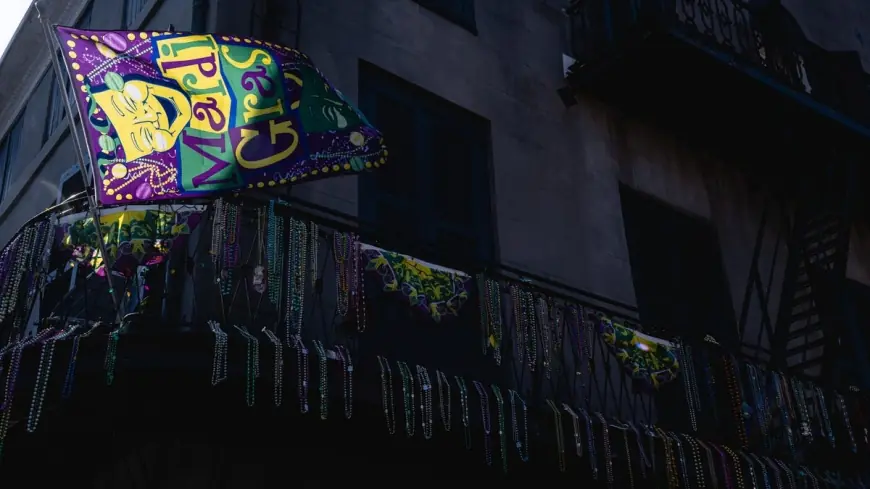
NEW ORLEANS — Streets spilling with purple, green and gold turned the city into a nonstop outdoor party on Tuesday, Feb. 17, 2026 (ET), as Mardi Gras reached its crescendo. Fans climbed ladders and leaned from iron balconies chanting the familiar request, “Throw me something, Mister, ” while marching bands, massive floats and elaborately costumed parade-goers moved down historic avenues.
Parades, costumes and coveted throws dominate the day
From early morning, crowds staked out viewing spots along St. Charles Avenue and through the French Quarter, armed with folding chairs, coolers and grills. Floats rolled by with musicians, riders and crews tossing the day’s signature “throws” — plastic beads, doubloons, stuffed animals, cups and candy — into the sea of hands. For many attendees, the most prized items were the hand-decorated coconuts from the Zulu krewe, which glittered in the sunlight when they changed hands.
Costumes ranged from sequined showpieces to homemade creations and traditional beaded and feathered ensembles worn by Black masking Indians. Some groups, like the Society of Saint Anne, wandered through neighborhoods with DIY spirit, while larger krewes mounted elaborate floats that drew cheers and dancing on the curb. Music echoed throughout the city as revelers swapped the morning coffee for adult beverages and kept the party rolling well into the afternoon.
Tradition, community and regional variations of Carnival
Fat Tuesday is the capstone of weeks of Carnival events that blend local traditions, community celebrations and religious observance. For many, the day represents one final opportunity for indulgence and feasting before Lent begins on Ash Wednesday, Feb. 18 (ET). Costumes and parades are central, but the festival’s reach extends far beyond the urban core.
Across Louisiana, events range from extravagant masked balls to rural customs such as the Courir de Mardi Gras — a Cajun French run in which costumed participants travel from house to house begging for ingredients and chasing live chickens to make a communal gumbo. Other Gulf Coast cities mark the day with their own parades, and international celebrations continue in cities around the world that observe the pre-Lenten tradition.
Scenes from the crowd and an arrest that drew attention
Longtime residents and return visitors described Fat Tuesday as a day when ordinary routines yield to revelry. One paradegoer in an Egyptian-inspired outfit said the city’s atmosphere was reason enough to return year after year. Elsewhere, a viral video captured a high-profile arrest during the festivities, drawing extra attention to the day’s chaotic energy and the law-enforcement presence that accompanies such large public events.
City officials and parade organizers typically balance celebration with safety measures, encouraging attendees to plan for crowds and to watch for heat, alcohol consumption and other risks that accompany outdoor mass gatherings. Still, for many in New Orleans the mood was jubilant and communal: a final, exuberant goodbye to Carnival before the quieter, reflective weeks of Lent begin.
As dusk fell, the lights on floats and the glow from the French Quarter’s lamps kept the streets alive, sealing another year of pageantry and tradition in a city long associated with one of the nation’s most storied festival seasons.