


















Network Pulls james talarico Interview From Late-Night Broadcast, Colbert Says

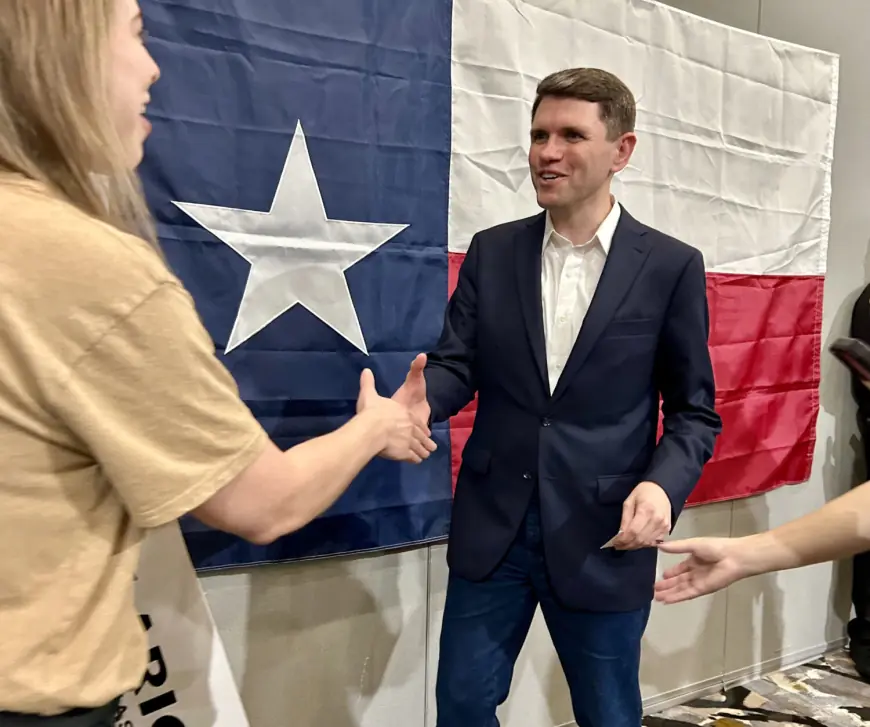
Stephen Colbert told viewers on Monday evening (ET) that lawyers for his broadcaster instructed him not to air an interview with James Talarico, a Democratic candidate in the Texas Senate primary. Colbert pressed the issue on his show and made the interview available online, setting off fresh debate over new Federal Communications Commission guidance and the role of broadcast networks in election coverage.
Colbert's account: legal risk and an on-air rebuke
On his program Monday night (ET), the comedian said the network made clear the segment could trigger the FCC's equal-time obligations for candidates competing for the same office. He described receiving direct legal guidance that the interview should not run during the televised broadcast and said he pushed back on the direction. Colbert framed the decision as an instance of censorship driven by political pressure and criticized the agency chair whose recent guidance narrowed a longtime exemption for talk shows.
Colbert went on to air the conversation with the candidate online outside the broadcaster's carriage, telling his audience that the change was prompted by the legal interpretation his team had been given. He also said the network told him he could not discuss the decision on air, a restriction he defied by making the matter a focus of the broadcast.
Campaign stakes and reactions
James Talarico is competing in a high-profile Democratic primary to face the eventual Republican nominee for the U. S. Senate seat in November. The contest between him and his Democratic rival is drawing attention because the party hopes to win statewide office in Texas for the first time in decades. Early voting in the primary began Tuesday, and the primary itself is set for March 3 (ET).
Talarico issued a statement condemning what he called an attack on free expression, framing the broadcaster's decision as part of a broader effort to limit political speech from the top. Critics of the network’s move have argued the choice was motivated by caution in the face of federal scrutiny; others say it reflects a troubling chill on political coverage when candidates appear on programs that have not historically been treated like traditional news outlets.
Legal implications and the FCC's changing posture
The controversy centers on recent guidance from the Federal Communications Commission that revisited whether late-night and daytime talk shows qualify for the equal-time exemption historically applied to bona fide news programming. The agency's guidance signals heightened scrutiny of how networks handle political appearances on entertainment platforms. One consequence is that broadcasters may now view otherwise routine interviews as creating a legal obligation to offer equal opportunities to rival candidates.
Legal experts say the new stance complicates the choices facing producers and network counsel in the run-up to elections. Networks must weigh potential regulatory exposure against editorial decisions about which voices to present on entertainment programming. The broader debate raises questions about where the line should be drawn between news and entertainment, and how federal oversight can shape gatekeeping decisions during politically sensitive windows.
The episode has intensified scrutiny of how major media entities manage political content. It has also prompted elected officials and media watchdogs to question whether networks are exercising caution for legal reasons or capitulating to political pressure. For now, the immediate effect was that a candidate who was slated for network television instead reached audiences through an online posting, while the network chose a path it said reduced regulatory risk.
As the primary campaign continues, candidates and producers will be watching how broadcasters interpret the FCC guidance and whether further clarification from regulators or courts changes newsroom and programming choices ahead of the November midterms.