




















UK picks experimental artist for Vienna — look mum no computer eurovision song to be unveiled for 2026

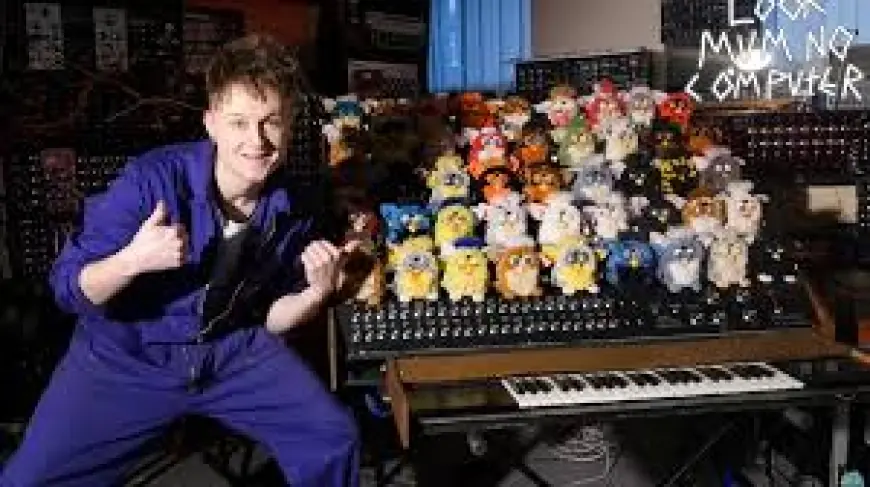
The United Kingdom has chosen electronic artist and inventor Look Mum No Computer as its representative at the Eurovision Song Contest in Vienna in May 2026 (ET). The selection marks a striking departure from recent mainstream picks, with the Kent-based musician promising a performance built around his signature homemade instruments and a flair for the theatrical.
From YouTube inventor to Eurovision stage
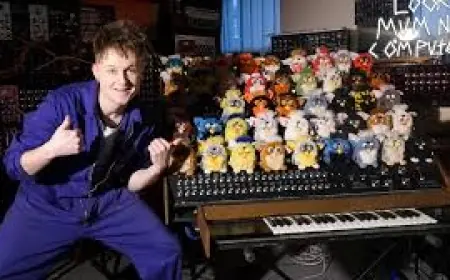
Look Mum No Computer, the stage name of Sam Battle, has built a profile as much on invention as on songwriting. Best known for crafting unusual electronic instruments — organs fashioned from Furby toys, Game Boys repurposed into church-organ players, synthesiser bicycles and even flame-throwing keyboards — he also holds a Guinness World Record for building the world’s largest drone synthesizer. That mix of technical showmanship and musicality is what convinced the broadcaster’s selection panel to back him for Vienna.
A former frontman of indie band Zibra, Battle began releasing solo material and videos under his current moniker in the mid-2010s and has grown a substantial online following. He runs a museum in Ramsgate dedicated to experimental and obsolete music technology and has repeatedly documented the process of creating and performing with his machines. He has said he is a longtime fan of the contest and intends to bring his full creative vision to the performance.
What the UK hopes to achieve with an experimental entry
The choice signals a tactical shift: rather than reverting to safe, conventional acts, the UK is leaning into eccentricity and spectacle. Eurovision in recent years has rewarded memorable staging and distinct personalities as much as radio-friendly tunes, and this entry doubles down on that logic. Officials involved in the selection emphasised a desire to celebrate originality, theatricality and a sense of British inventiveness on the international stage.
Details of the song itself have not been released yet. The artist has teased that the entry will feature bespoke instruments and audiovisual elements developed specifically for the contest, promising a live show that fuses performance art with electronic music production. The entry will be performed in Vienna during the contest’s live shows in May 2026 (ET), when viewers and juries across the continent will weigh in.
Expectations, risks and the road to May
Choosing a specialist artist with a niche audience carries both upside and risk. On one hand, a distinctive staging and a viral performance can translate into wide public attention and strong televote support. On the other hand, experimental acts sometimes polarise voters and juries who favour clearer pop hooks or familiar vocal formats.
Campaign planning is already under way. The team around the artist plans to document rehearsals and the build process, a strategy that taps into his existing strengths as a content creator and his sizable online audience. The broadcaster has said the selection was made through an internal process with industry input, and the artist is expected to headline promotional events in the run-up to the contest.
Eurovision takes place in Vienna in May 2026 (ET), and the UK entry’s full title and studio release date are anticipated in the coming weeks. For now, the announcement has set a clear tone: the UK will lean into creativity and the unexpected, putting a true experimental performer on Europe’s most watched pop stage.