
























mikaela shiffrin storms to gold in slalom after days of disappointment

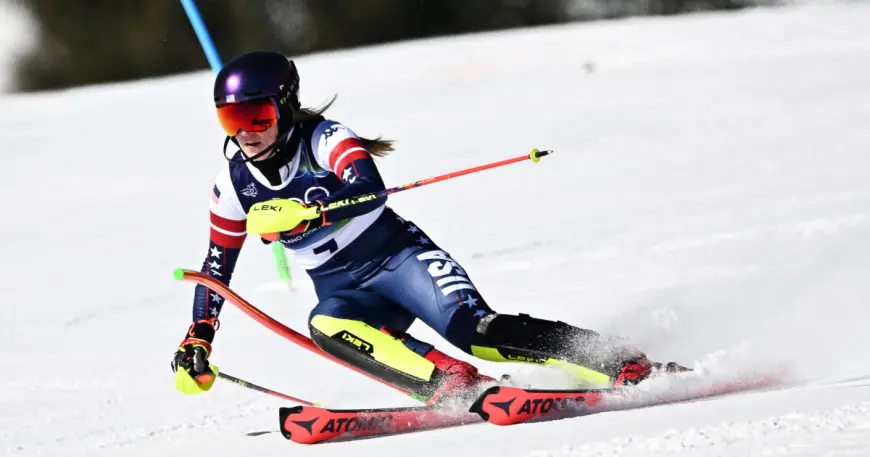
MILAN — In her final chance at a medal at the Milan Cortina Winter Olympics, Mikaela Shiffrin produced two decisive runs on Wednesday (ET) to capture gold in the women's slalom, ending a run of frustrating results at these Games.
Clinical two-run performance overwhelms the field
Shiffrin opened the slalom with a blistering first run down a Cortina d’Ampezzo course that drops nearly 600 feet, stopping the clock at 47. 13 seconds and putting her 0. 82 seconds clear of the field. Four hours later she returned to the start for a second run that was measured, aggressive and nearly flawless: a 51. 97 that sealed a combined time of 1: 39. 10.
The victory margin was emphatic. Shiffrin finished 1. 50 seconds ahead of Camille Rast of Switzerland, the reigning world champion, with Sweden’s Anna Swenn Larsson taking bronze at 1. 71 seconds back. The size of the gap underlined how dominant Shiffrin was on the technical slope; at the finish line she pumped her fist in celebration, the culmination of a performance that left little doubt.
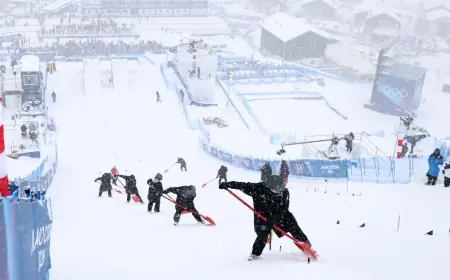
The second run had its drama. The second-to-last starter broke a pole midway down the course, and the athlete directly before Shiffrin, who had been in contention, clipped the first gate and stopped her run almost immediately. Against that backdrop, Shiffrin’s composed, rhythmic descent stood out: she built a one-second lead early in her second run and extended it through the flats and the final gates.
A comeback after setbacks and near-misses
This gold was a turning point at Games where success had been elusive for Shiffrin. She entered Milan Cortina having finished fourth in the team combined and 11th in the giant slalom, results that she acknowledged left her disappointed. She also remains in recovery from a November 2024 giant slalom crash that produced a puncture wound and what she has described as crash-induced post-traumatic stress disorder.
Despite those recent adversities, Slalom has long been Shiffrin’s strongest discipline. Of her 108 World Cup victories, 71 have come in slalom, and she first rose to Olympic gold in the event at Sochi in 2014 when she was 18, becoming the youngest Olympic slalom champion. Wednesday’s win marks her first Olympic medal since the 2018 Games and serves as a reminder of both her technical mastery and her resilience under pressure.
After her initial run, Shiffrin described feeling “a little bit on the limit” but called the run “really clean, ” emphasizing focus on the start and each gate rather than anything beyond the course. That attention to detail paid off when it mattered most.
What the victory means going forward
Beyond the medal itself, this performance reasserts Shiffrin’s position at the top of technical skiing even as she navigates recovery and the mental hurdles that followed her crash. The sizable winning margin suggests she’s found both confidence and form at the right moment, and it provides a momentum shift heading into the remainder of the season and future major events.
For fans and competitors alike, the image of Shiffrin pumping her fist at the finish will be remembered as a defining Olympic moment in Milan: a high-caliber athlete overcoming recent setbacks and delivering when the stakes were highest.