





















winter olympics curling cheating row leaves Canadians reeling

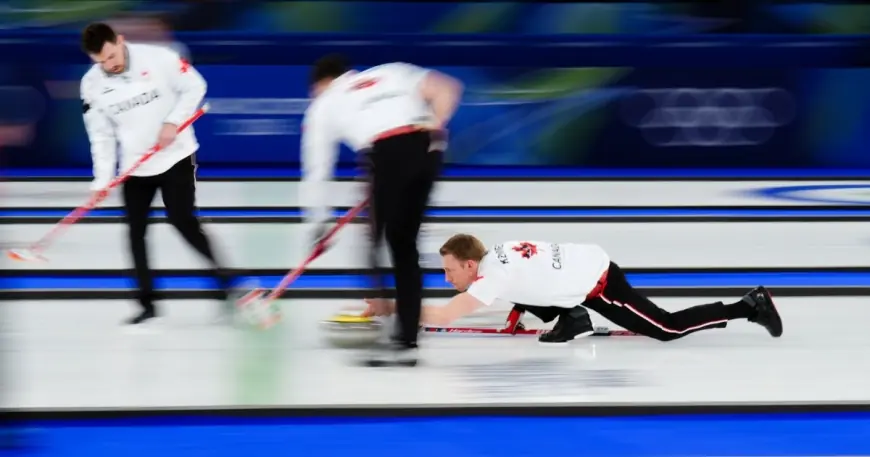
The Winter Games descended into controversy over the weekend when double-touching allegations and a profanity-laced on-ice confrontation put Canada's curling reputation on the line. Accusations against veteran player Marc Kennedy and women's skip Rachel Homan sparked a national debate about sportsmanship and tactics in a sport where courtesy has long been part of the appeal.
What happened on the ice
The episode began on Friday (ET) when an opponent accused Marc Kennedy of touching his stone a second time after release — a move known as a double-touch. A clip that surfaced showed Kennedy apparently making contact with the stone after delivery, and a heated exchange followed between him and the rival player. The confrontation included expletives and drew immediate attention.
Kennedy has denied any intent to cheat, stressing that he has never sought an illicit advantage in competition. Officials from the sport's governing body intervened, issuing a verbal warning for foul language but stopping short of levying a formal cheating charge. The very next day, the women's skip Rachel Homan faced a similar accusation in another match; she too denied wrongdoing.
Players and teams have pushed back, some suggesting the accusations were tactical or even premeditated. Others have acknowledged the emotional weight of high-stakes matches and the reality that athletes can make mistakes in the heat of competition. Still, the viral nature of the footage made the exchange unavoidable and intensified scrutiny of how curling is played at the highest level.
Public reaction and the hit to Canada's image
The backlash has been sharp in Canada, where curling occupies a special place in the national sporting imagination and politeness is often celebrated as a cultural trait. Fans interviewed in Montreal expressed disappointment. "It's a sad day for Canadian sport, " said one visitor from Alberta. Another summed up the sentiment simply: "As Canadians, we aren't supposed to do these things. "
At the same time, voices inside the curling community urged a measured response. An instructor at a prominent Montreal club suggested the finger shown in the footage likely did not alter the rock's trajectory while still stressing the importance of playing within the rules. That perspective underscores a tension: the incident has damaged a reputation, but it may also draw attention to curling from viewers who otherwise might not watch.
For athletes who have built careers on sportsmanship and precision, the accusation and the viral fallout are painful. Some feel the episode tarnishes a long tradition of fair play; others worry the focus on a single moment could overshadow months or years of clean competition. The governing body’s choice to discipline language rather than investigate a formal cheating charge has left unanswered questions for fans demanding clarity.
What this could mean for the sport
Beyond immediate reputational damage, the row raises broader issues about officiating, technology, and culture in curling. Video evidence can amplify disputes and force rapid public judgments, even when officials decline to take severe action. Teams and spectators alike are debating whether the rules and their enforcement need updating to reflect the sport's growing profile and the stakes involved.
There is also a potential silver lining: heightened attention often prompts new viewers to tune in. Some insiders argue the controversy could increase engagement, provided the sport's leaders respond with clear messaging and fair adjudication. For now, though, Canadians and curling fans around the world are left wrestling with questions about intent, accountability, and what it means to play in the spirit of the game.
Players involved have defended themselves and expressed regret about heated exchanges, while insisting their conduct on the ice is rooted in fair competition. How the governing bodies and the curling community navigate the fallout will shape not only this Olympic moment but the sport's public image moving forward.