

















lunar new year 2026: Fire Horse parades, customs and global celebrations

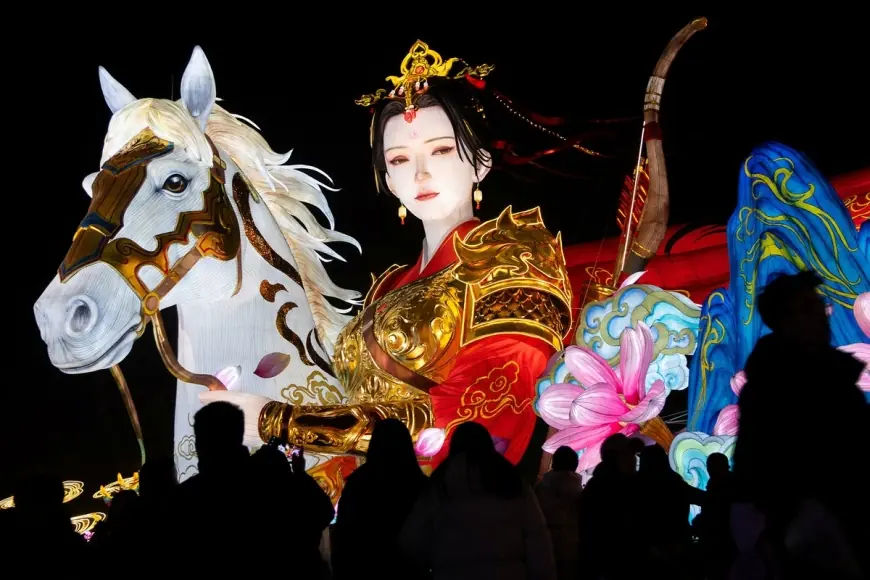
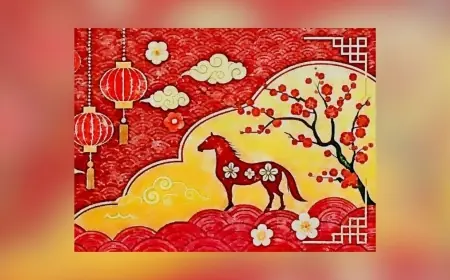
The Year of the Fire Horse thundered into life this season as communities from Beijing and Manila to Moscow, Panama and New York marked a 15-day festival that begins on the new moon. Celebrations blended large-scale spectacle with intimate family rituals, while age-old superstitions shaped how people observed the holiday and set intentions for the months ahead.
Global scenes: parades, lanterns and cross-continental pageantry
Across multiple continents the new year produced vivid public displays: dragon and lion dances, fireworks, lantern processions and packed streets as neighbours and visitors crowded city centres. In capital cities, performers in traditional costume marched beneath strings of red lanterns and banners, while community groups staged street parades that transformed ordinary avenues into stages for music, dance and martial-arts demonstrations. In port cities and immigrant neighbourhoods, festivities mixed local flavours with longstanding customs — local musicians and chefs joined temple processions, and public squares hosted ceremonies intended to welcome luck and prosperity for the coming cycle.
Markets were busy with ritual purchases: bright red envelopes, tangerines and symbolic foods lined stalls. Restaurants and family kitchens prepared reunion feasts, where multiple generations gathered for dishes meant to convey health, longevity and fortune. The public side of the holiday emphasised spectacle and communal joy; private observances focused on renewal, rest and the careful performance of ritual to protect and attract good fortune.
Rituals, taboos and the combustible Fire Horse energy
The 15-day period that brackets the holiday is governed by a mix of folk observances that many still follow closely. Tradition holds that the new year should begin with a clean home but that sweeping or dusting during the festival risks sweeping away good luck. Haircuts are commonly avoided during the full fortnight because the word for hair is a homonym for prosperity in Chinese; cutting it is thought to cut off fortune. Other common taboos include avoiding the wearing of mourning colours such as black and white on the first day, refraining from loud arguments or crying early in the festival, and delaying disposal tasks like taking out the rubbish so that good fortune is not cast away.
This year's astrological combination—the horse paired with the fire element—has prompted extra attention. That pairing is considered rare and intense in the zodiac, thought to bring momentum, bold transformation and unpredictable energy. Many families emphasised caution and restraint even while embracing the dynamism the Fire Horse symbolizes: celebrations felt charged, with an undercurrent of ritual behaviour designed to channel that energy productively rather than letting it flare into misfortune.
Adaptations, community rituals and a modern horizon
Alongside tradition, communities updated practices to fit modern life. Urban residents balanced neighborhood festivities with workplace schedules and travel constraints; diaspora communities staged large events timed for weekends and evenings to include extended family. Some people upheld vegetarian or temple-fast days tied to lunar phases as a form of spiritual reset during the festival, while others took a lighter, more symbolic approach—donning red clothing or displaying couplets to express hope for the year ahead.
Whether on a packed city boulevard or inside a family home, the new year combined public spectacle with private observance. For many, this season offers both a pause and a promise: a tightly ritualised moment to sweep away the old—carefully refraining from sweeping—and to set out intentions for a year that, astrologically, promises heat, motion and potential transformation.