

























delroy lindo Gets First Oscar Nomination for 'Sinners' After a Five‑Decade Career

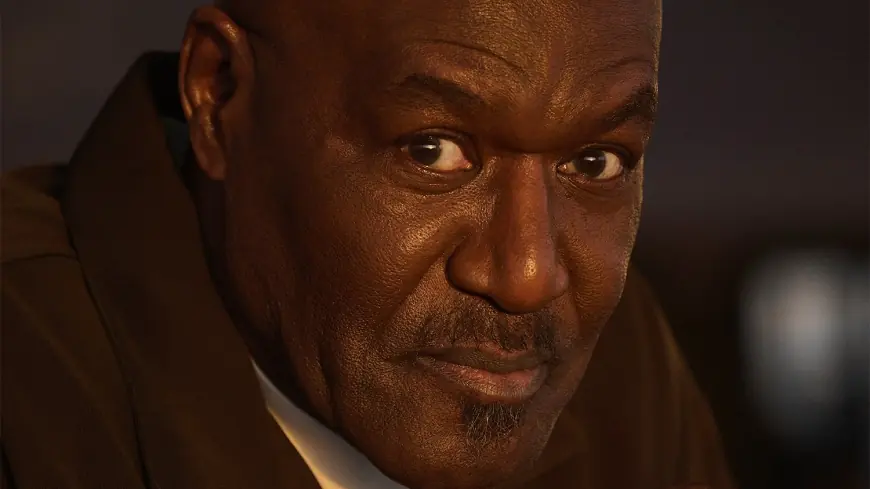
Delroy Lindo, 73, has received his first Academy Award nomination for his role as Delta Slim in the vampire drama Sinners, a recognition that closes a long, winding chapter of stage and screen work. The film itself dominated awards season with a record number of nominations, thrusting Lindo and his peers into renewed industry attention.
A long road to recognition
Lindo’s path to this milestone spans five decades and three countries. Born in London to Jamaican parents and raised in Toronto before making his name in American theater, he built a reputation as a steady, powerful presence on screen. Landmark turns include a morally anchored role in a major biopic about a civil rights leader, a commanding figure in a high‑stakes kidnapping thriller, and a raw, ravaged performance as a Vietnam veteran in a wartime drama that earned widespread critical acclaim.
Despite consistent praise from critics and numerous honors from smaller awards bodies, Lindo has felt the sting of high‑profile snubs — most notably after his lauded performance in the wartime drama six years ago, which did not translate into nominations from several major awards organizations. He has remained pragmatic about the ups and downs of recognition, framing the arc of his career around the work itself rather than the trophies.
The nomination moment and Sinners' impact
The call that confirmed Lindo’s nomination came on a Thursday morning in January (ET) from his 24‑year‑old son, Damiri, who watched the announcement early. For Lindo, the moment was as much familial and personal as it was professional. In Sinners, he plays Delta Slim, a blues musician haunted by literal and metaphorical ghosts — a role that showcased both his dramatic range and his command of atmosphere.
Sinners shattered expectations during awards season, earning an unusually high tally of nominations and spotlighting a slate of Black performers. That collective recognition amplified Lindo’s nomination, turning it into part of a broader conversation about representation in major awards races. Lindo has pointed out the inherent unpredictability in awards prognostication, noting that conventional wisdom and established rhythms often fail to anticipate surprises and snubs.
Personality, perspective and what comes next
Off set and away from the red carpet, Lindo’s candid, sometimes humorous demeanor remains intact. An anecdote from a recent hotel interview found him improvising with a spoon to remove ice from his tonic — a small scene that softened a conversation about genre bias, career longevity and the strange mechanics of awards season.
More than the nomination itself, Lindo emphasizes the continuity of the work. He has spoken about enduring spells of being overlooked and about the satisfaction of craft that persists regardless of external validation. This Oscar nod, arriving late in a storied career, is likely to renew interest in his past performances and to open new doors for roles that draw on his mix of theatrical discipline and cinematic nuance.
As awards voting continues and seasons shift, Lindo’s nomination stands both as personal vindication and as a marker of changing tides in how performances are recognized. For an actor whose résumé reads like a map of contemporary screen acting, this moment is a reminder that long careers can yield late, meaningful milestones.