




















Rupert Lowe launches restore britain as new national party after Reform exit

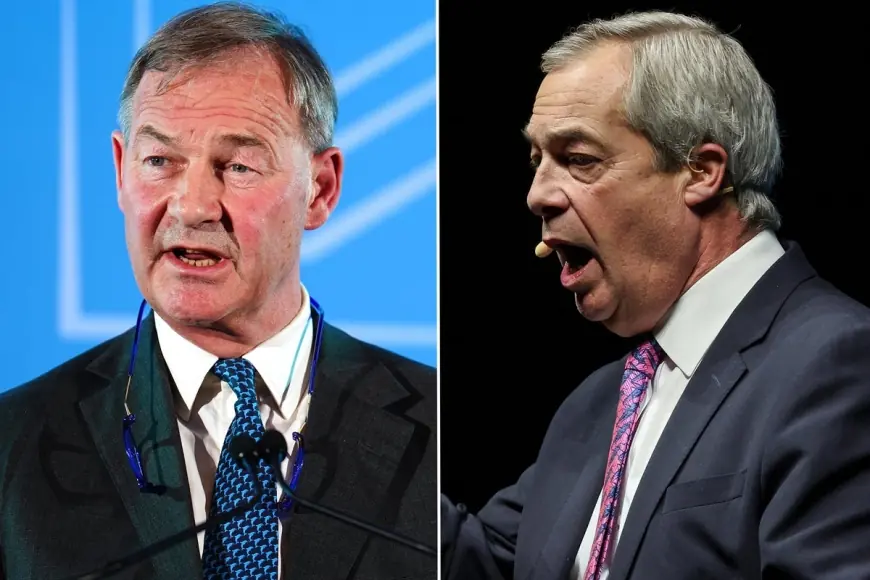
Rupert Lowe, the independent MP for Great Yarmouth, formally launched restore britain on Friday night, transforming a previously announced political movement into a national party that aims to act as an umbrella for locally based groups. The move follows Lowe's suspension and departure from his former party and comes with an early wave of councillor recruits and public rows over advisory board membership.
Movement to party: structure, partners and strategy
Restore britain is being positioned as a national organisation that will partner with locally focused parties rather than replace them. Lowe plans to stand again in Great Yarmouth under a local partner banner, Great Yarmouth First, while the new party will seek to knit together similar local formations across the country. Lowe has framed the switch from movement to party as a step to give the project formal electoral muscle and a national profile, while retaining a loose federal character that allows partners significant autonomy.
The new party’s pitch targets voters who feel disconnected from mainstream politics. Lowe argues that a ground-up approach — building from local platforms into a national network — can tap disaffected support on the right without the constraints of larger national organisations. He has also suggested that in a crowded political marketplace there is room for a party that emphasises independence of thought and localism.
Recruitment, defections and internal fallout
Hours after the launch, seven former county councillors in Kent signalled they would form a restore britain group on the council, giving the party an immediate local presence beyond Lowe’s Norfolk seat. Several of those councillors had previously been expelled from their former party, and their arrival has already prompted sharp reactions from former colleagues.
The new party’s advisory board had included senior figures from the centre-right, but some members have indicated they will step away now that the movement has registered as a political party. That retreat underscores the sensitivities involved when a post-movement project seeks rapid expansion: potential allies want clarity on direction, personnel and electoral ambitions before committing to a formal political vehicle.
The launch also reopens attention on the circumstances of Lowe’s exit from his former party. He was suspended last year after allegations linked to threats against a party official; prosecutors later concluded there was insufficient evidence for a realistic prospect of conviction. Lowe has denied wrongdoing and has characterised his departure as the result of internal disputes and unfair targeting.
Political implications and prospects
Political commentators describe Lowe as a maverick figure whose appeal is strongest at a local level. Private polling shared privately with interested parties suggests he retains significant backing in Great Yarmouth, and the new party intends to capitalise on that base to push into wider local government contests and, potentially, parliamentary battlegrounds. The cancellation of some local elections this year has delayed electoral tests that Lowe had hoped would boost his local formation, increasing the importance of turning advisory networks into elected representation.
For the broader right, restore britain’s emergence complicates the landscape by offering an alternative to established parties and protest movements. Its success will depend on its ability to hold together disparate local partners, recruit credible candidates, and persuade cautious advisers and backers to re-engage. For now, the party’s early gains in local councillor recruitment and Lowe’s continued focus on constituency-level campaigning give it a foothold; whether that foothold can be translated into sustainable national momentum remains to be seen.
Lowe will contest the political space he believes is underrepresented: a strand of right-leaning, locally anchored politics that stresses independence from party hierarchies and a direct connection to voters’ everyday concerns. The coming months will test whether restore britain can transform that argument into electoral reality.