




















ramadan time table 2026: key dates, fasting hours and what to expect

Ramadan is due to begin later this month, with official start dates hinging on the sighting of the new moon. Communities are preparing nightly prayers, charity drives and communal meals across the north-west of England and beyond. This guide sets out the likely start and finish windows, fasting hours converted to Eastern Time (ET) and what Muslims and wider communities can expect during the month.
When Ramadan may start and end in 2026
The exact opening night of Ramadan will be determined by moon sighting decisions. Declarations currently point to a narrow window: some calendars and sighting committees indicate the month could begin at sunset on Tuesday, Feb. 17 or Wednesday, Feb. 18 (ET). Other authorities and committees have suggested Wednesday, Feb. 18 or Thursday, Feb. 19 (ET) as possible starts. Because different communities may follow different local or national committees, families and organisations should watch for announcements from their own local mosques and communal leaders in the hours before sunset.
Ramadan lasts 29–30 days, so the festival that marks its end, Eid al-Fitr, is likely to fall in mid-March. Depending on which night begins the fast, Eid could be observed around Wednesday, March 18 to Friday, March 20 (ET). Community celebrations, prayers and family gatherings are traditionally held on the morning of Eid.
Fasting hours, daily routine and exemptions (times shown in ET)
Fasting runs from the start of dawn until sunset each day. Local dawn and sunset times vary by location, but guidance drawn from north-west England puts dawn at roughly 05: 00 GMT (about 12: 00 a. m. ET) and sunset at roughly 17: 30 GMT (about 12: 30 p. m. ET). That means, for those locations, the daily fast would roughly span from midnight to early afternoon ET. Individuals should check local prayer-time charts for precise suhoor (pre-dawn meal) and iftar (post-sunset meal) moments.
Not everyone is obliged to fast. Exemptions are commonly made for people who are ill, are travelling, or for women who are menstruating, pregnant or breastfeeding. Those exempted are usually expected to make up missed fasts later when they are able, or to perform alternative forms of charity or feed the needy if making up the fast is not possible.
Community life, charity and cultural notes
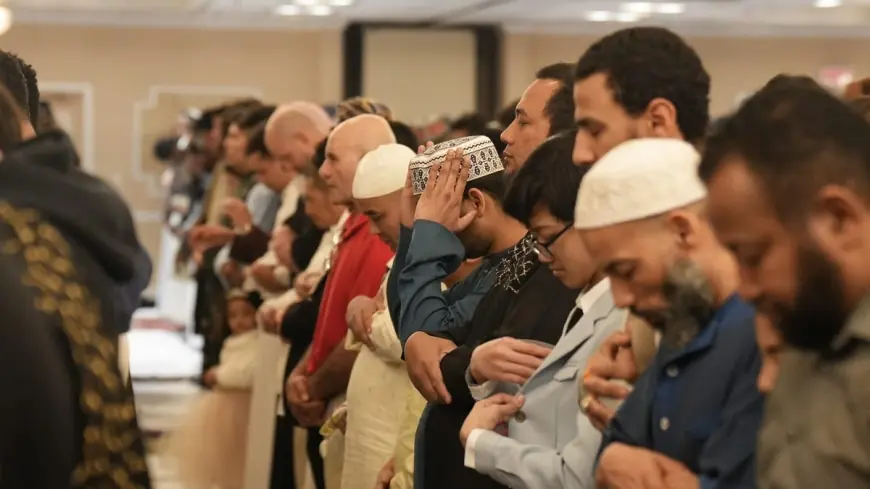
Ramadan is widely observed as a time of intensified prayer, reflection and charity. Mosques typically host nightly prayers and communal iftars, and local charities often increase food distribution and support services. In the north-west of England, where about 560, 000 Muslims live, community hubs are preparing schedules of events for the month.
Demographic context: there are roughly 3. 9 million Muslims across England and Wales, representing about 6. 5% of the population. Within the north-west region, Muslims account for around 12% of Greater Manchester's population and about 8% in Lancashire; figures are lower in other counties. Cultural traditions around food are prominent at suhoor and iftar; for example, many start or break fasts with regional dishes such as fava beans (commonly called fuul in Arabic).
As the month approaches, organisers encourage neighbours and employers to be mindful of altered schedules. Flexible working arrangements, school awareness and community outreach events can help create an inclusive atmosphere while the fast is observed. Individuals looking for precise local fasting times, mosque schedules and Eid arrangements should check with their local community centres or places of worship in the hours leading up to the expected start date.
Filmogaz will monitor declarations as moon sightings are confirmed and will publish updates detailing firm start and end dates and local event listings in ET when they are announced.