



















Ramadan events across north-west England

The Islamic holy month of Ramadan begins this week and communities across north-west England are preparing a full calendar of prayers, communal meals and charity initiatives. Local mosques and organisations will run nightly services, iftar gatherings and outreach activities as Muslims observe fasting from dawn to sunset.
When Ramadan starts and why dates differ
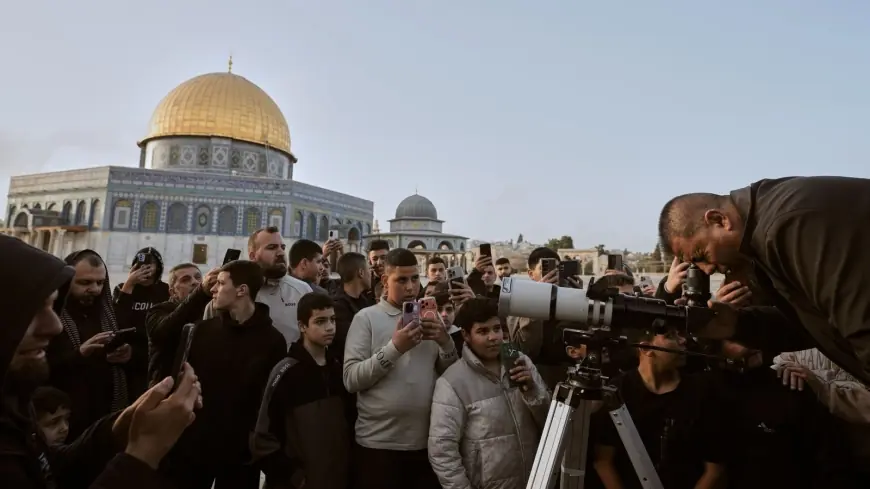
In 2026 the start of Ramadan will hinge on the sighting of the new crescent moon. The month is expected to begin at sunset either on Tuesday, Feb. 17 or Wednesday, Feb. 18 (ET), with some countries and communities choosing to observe it a day later. This variation stems from different practices: some follow a moon sighting in the Arabian Peninsula, others accept sightings in nearby or local skies, and some rely on astronomical calculations.
Because the Islamic calendar is lunar, its months run about 10 or 11 days shorter than the solar year, so Ramadan moves earlier each year. The month lasts 29 or 30 days and finishes with Eid al-Fitr, a festival that will fall in mid- to late March depending on the initial sighting.
What will be happening across north-west England
Across the north-west, mosques and community centres are scheduling nightly tarawih prayers, charity drives, and communal iftars — the meal that breaks the fast at sunset. Many groups are arranging community iftars open to all, youth programmes and food-bank collaborations to mark the spirit of increased charity during Ramadan.
Demographically, roughly 560, 000 Muslims live in the region. They make up about 12% of Greater Manchester’s population and around 8% in parts of Lancashire, with smaller shares in the Liverpool city area, Cheshire and Cumbria. These communities will host a range of events from smaller, local mosque gatherings to larger city-centre iftars catering to hundreds of people.
Traditional foods often feature at suhoor (the pre-dawn meal) and iftar. In many households and community kitchens recipes such as stewed beans and other warming dishes are staples. Mosques will also publicise precise prayer and fasting times each day; in the UK dawn and sunset times vary by location, but a typical winter schedule yields dawn at about 05: 00 GMT (00: 00 ET) and sunset near 17: 30 GMT (12: 30 ET), meaning fasts run from first light until evening.
Practical matters: who fasts, exemptions and community support
Fasting during Ramadan is expected of healthy adult Muslims, but there are standard exemptions. People who are ill, travelling, elderly, or whose health would be harmed are not required to fast. Women who are pregnant, breastfeeding or menstruating are also exempt and may make up missed days later if able. Community organisations often provide support for those with medical or welfare needs, and many hold information sessions on safe fasting, particularly for people with chronic conditions.
Beyond religious observance, Ramadan prompts a surge in volunteerism: food collections, meal deliveries, and fundraising for local charities intensify during the month. Mosques act as hubs for both spiritual activity and social support, offering prayer, counselling and practical help to residents of all backgrounds.
For people planning to attend events, organisers advise checking directly with local centres for confirmed start dates and daily schedules, as the precise beginning of the month can differ between communities.