

















New Orleans revels as Carnival ends — fat tuesday parade brings beads, costumes and an arrest

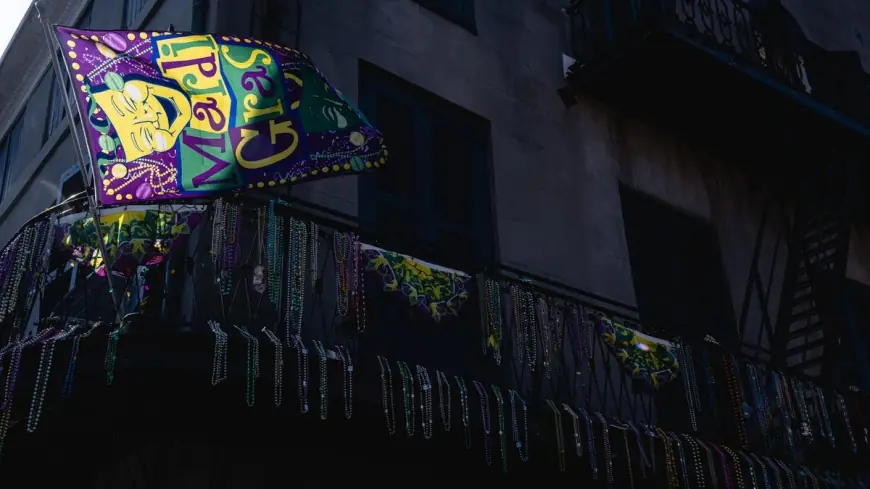
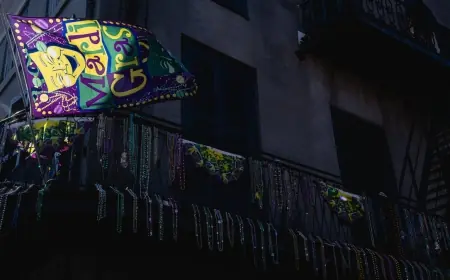
Thousands filled St. Charles Avenue and the French Quarter on Tuesday, Feb. 17, 2026 (ET), for Fat Tuesday, the exuberant finale of Carnival season. Floats rolled, marching bands played, and revelers draped in green, gold and purple sought coveted “throws” as New Orleans marked one last day of indulgence before Lent began the following day.
Street scenes: throws, costumes and high-energy crowds
People began staking out spots at sunrise, hauling chairs, coolers, grills and ladders to secure better vantage points. As the parades moved down historic avenues, the air filled with music and shouts of “Throw me something, Mister, ” the time-honored call that signals the hunt for beads, doubloons, stuffed animals and trinkets. Some parade krewe members handed out elaborately decorated coconuts — a prized throw from one of the city’s most storied groups — while floats tossed colorful strands and toys into the crowds.
Costumes ranged from glittering, sequin-heavy ensembles to intricate homemade designs. Black masking Indian regalia and feathered headdresses drew attention for their craftsmanship, while simple yard-party outfits and themed group costumes added to the spontaneous atmosphere. For longtime residents, the day remains an annual ritual: stroll the French Quarter, admire the handiwork of float builders and costume makers, and celebrate with neighbors.
Tradition, food and the countdown to Lent
Fat Tuesday—also called Mardi Gras—serves as the last full day of indulgence before Ash Wednesday and the start of Lent on Wednesday, Feb. 18, 2026 (ET). The tradition has roots in using up rich ingredients like butter and sugar before a period of fasting and reflection, a practice that evolved into the larger cultural and communal celebrations seen across Louisiana and beyond.
Food remains central to the day’s rituals. Many households and gatherings focus on filling up on rich fare, while other communities hold distinctive regional events such as the rural Courir de Mardi Gras, where costumed participants collect ingredients for communal gumbo. Elsewhere along the Gulf Coast and in international Carnival hotspots, parades and pancake-throwing contests keep similar traditions alive in local forms.
Incidents and the wider scene
Amid the revelry, at least one notable arrest drew headlines when an actor was taken into custody during the festivities. Authorities handled the situation while crowds continued to move through the city, and organizers emphasized public safety as they wrapped up the final parades of the season. Police and parade officials typically coordinate closely on Fat Tuesday to manage large crowds and ensure that floats, marching units and spectators can enjoy the day with minimal disruptions.
For many participants the message was simple: savor the final hours of Carnival. “The world will be here tomorrow, but today is a day off and a time to party, ” one reveler said as she toured the French Quarter in an Egyptian-inspired costume. For visitors and residents alike, Fat Tuesday remains a spectacle of color, music and communal release that signals both an ending and a passage into the more contemplative weeks ahead.
As the last floats pulled away and the streets began to clear, city crews moved in to tidy up. Celebrants headed home, to hotels or to after-parties, carrying beads and memories of another year’s grand send-off to Carnival.