













tony clark resigns as MLBPA director after internal inquiry

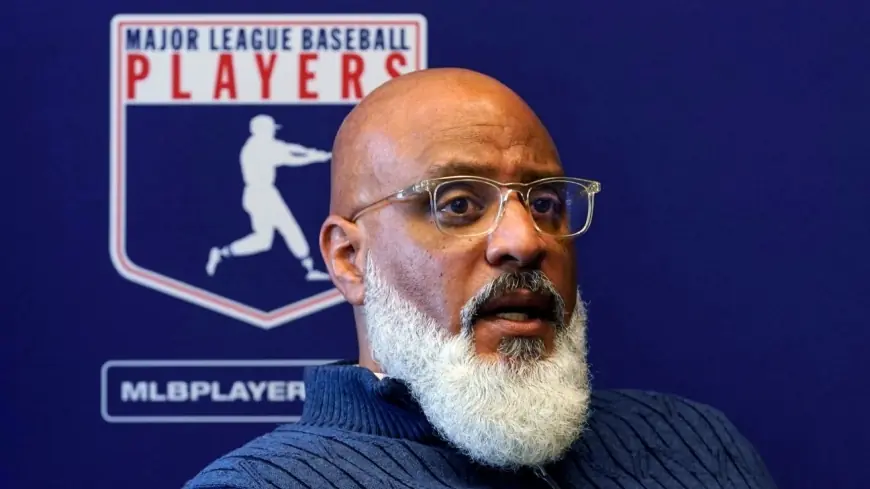
New York, ET — Tony Clark stepped down as executive director of the players' union on Tuesday evening ET after an internal investigation determined he had an inappropriate relationship with a woman hired by the union in 2023. The resignation comes amid an ongoing federal probe into the union's finances, hiring practices and other alleged improprieties.
Investigation findings and immediate fallout
The union announced Clark's resignation in a brief statement Tuesday evening ET emphasizing the solidarity of its membership and its commitment to protecting players' rights. The internal probe, launched in the wake of a broader federal inquiry, disclosed the relationship between Clark and his sister-in-law, who had been employed by the union since the Arizona office opened in 2023. That disclosure was viewed by player leaders as crossing a clear line and prompted Clark to leave his post after more than a dozen years at the helm.
The federal inquiry by the Eastern District of New York remains active. It was triggered by a whistleblower complaint filed in November 2024 that alleged a pattern of self-dealing, misuse of union resources, abuse of power and nepotism. Investigators have examined the construction of a major office in Arizona, where Clark lives and where the staffer worked, as well as the handling of funds tied to a multibillion-dollar group-licensing venture partially owned by the union and a youth baseball initiative that spent significant sums but produced limited programming.
Allegations under review also include potential obstruction and whether union officials sought to block thorough oversight of proposed compensation plans that might have paid millions to executives tied to the licensing group. A high-profile former union lawyer has been linked to claims that pressure was applied to curtail an internal review of such bonuses and is expected to testify before a federal grand jury in Brooklyn.
Leadership scramble and labor implications
Clark’s sudden departure leaves the union without its longtime leader at a crucial moment: less than a year remains before the current collective bargaining agreement expires on Dec. 1. Player representatives gathered by video call late Tuesday afternoon ET to discuss next steps and interim leadership, with an executive subcommittee already briefed in recent months about potential legal liabilities tied to the federal inquiry.
Union officials had previously retained outside counsel to advise player leaders on the government’s investigation and to assess exposure. Those briefings, including a December update to the executive subcommittee about potential legal risks, had heightened scrutiny of Clark’s role within the organization. The revelation of the personal relationship during the internal review appears to have been decisive for player trustees who had been weighing the union’s path forward while the federal matter proceeds.
Beyond immediate governance questions, Clark’s exit raises strategic concerns for the players as collective bargaining with club owners approaches. Industry observers expect owners to press for structural changes to spending and compensation that could include a salary cap; such demands would dramatically reshape negotiations and increase the union’s need for unified, credible leadership through the talks.
What comes next
Player leaders must now identify interim stewardship and a process to select a permanent successor while the federal investigation continues. The union has underscored a commitment to continuity in its advocacy for players’ rights and benefits, but the timing of the leadership transition complicates preparations for bargaining and potential labor conflict later this year.
Questions about governance, internal controls and financial oversight are likely to be priorities for the union’s board as it seeks to restore confidence among rank-and-file players and to present a cohesive negotiating posture to owners. How quickly the organization can move from crisis management to a clear bargaining strategy will shape the union’s leverage as talks around the CBA deadline approach.
Clark’s resignation marks a sharp turning point for the players’ association — one that will test its internal structures and leadership choices in the months ahead.