



















fat tuesday Lights Up New Orleans With Colorful Parades and Coconut Throws

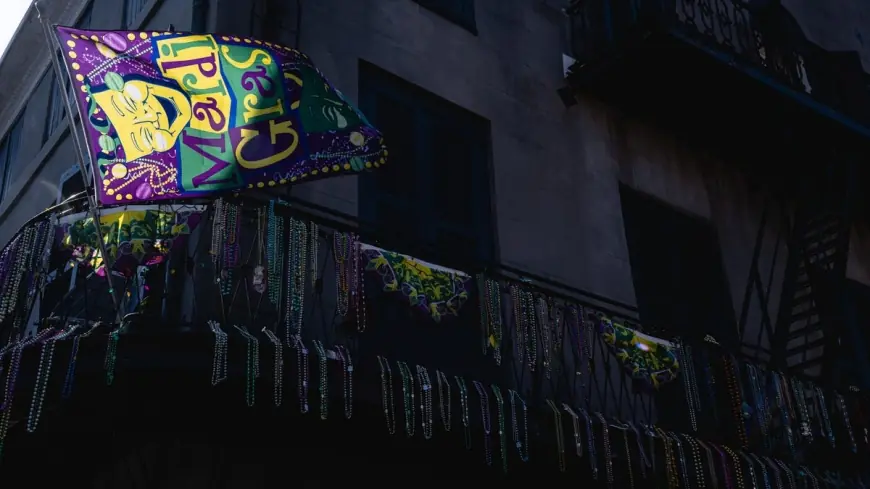
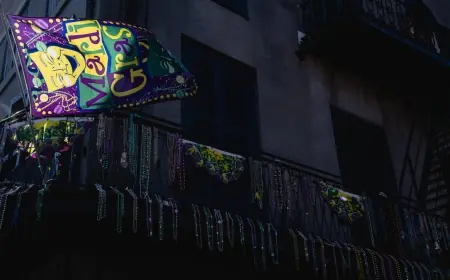
New Orleans erupted in color and music on Fat Tuesday as thousands lined historic streets to catch beads, doubloons and the prized hand-decorated coconuts that signal the climax of Carnival season. The day offered one last round of feasting and revelry before Lent begins on Ash Wednesday, Feb. 18, ET.
Parades, music and the art of the "throw"
Parade-goers began staking out spots as the sun rose Tuesday morning ET, hauling chairs, coolers and ladders to gain the best vantage points along St. Charles Avenue and throughout the French Quarter. Marching bands set the rhythm while towering floats rolled past, packed with costumed riders tossing trinkets to the crowds below. Throws ranged from plastic beads and candy to doubloons, stuffed animals and novelty cups; in many neighborhoods, the hunt for the day’s most coveted items became an event in itself.
One of the standout moments came when a parade float representing Zulu passed through and sent out its signature coconuts. The hand-decorated coconuts — often elaborately painted and glittered — are among the most prized throws and drew loud cheers as they landed in the hands of excited spectators. Revelers waved their finds high, paraded them through the crowd and showed off the glittering prizes as the music carried through the streets.
Costumes, tradition and the community spirit
Costumes ran the gamut from extravagantly feathered headdresses and sequined ensembles to homemade outfits that captured the city’s offbeat character. Black masking Indian regalia — beaded and bejeweled with towering feathered crowns — threaded through the festivities alongside Egyptian-inspired and seafood-themed getups. For many longtime residents, Fat Tuesday is as much about community and continuity as it is about spectacle: families and friends who have celebrated together for decades, returning every year to walk the Quarter and admire the creativity on display.
The celebration spilled beyond New Orleans into small towns and rural parishes where local traditions keep Carnival alive in regional forms. In parts of Central Louisiana, the Courir de Mardi Gras — a Costumed Fat Tuesday Run — sent costumed participants into neighborhoods to gather ingredients, sing, perform and sometimes chase a live chicken for a communal gumbo. Elsewhere along the Gulf Coast, parades and parties echoed the revelry in different styles, and international and domestic communities observed their own pre-Lenten customs, from pancake competitions to masked processions.
From indulgence to reflection: what comes next
Fat Tuesday marks the final day of indulgence before Christians who observe Lent enter a 40-day period of fasting, prayer and repentance. Many people use the day to consume rich foods and treats traditionally saved up to be finished before Ash Wednesday. For some, Fat Tuesday is also called Shrove Tuesday, a day historically associated with confession and spiritual preparation ahead of Lent.
As the music faded and the streets were cleared, the mood shifted from revelry to ritual. Ash Wednesday begins on Feb. 18, ET, ushering in the Lenten season that culminates with Easter. For now, however, the city and its visitors savored the last big day of Carnival: a loud, glittering, communal pause before the quieter weeks to come.