












Ilia Malinin’s admission about Olympic pressure spotlights challenges for stars like simone biles

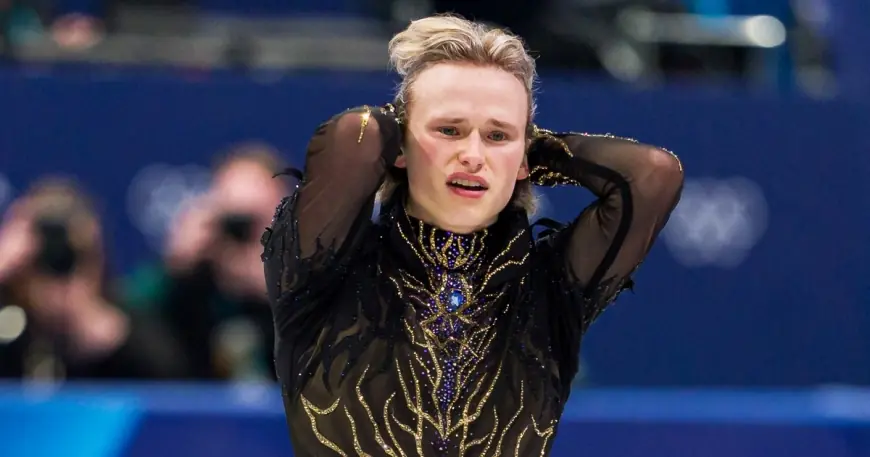
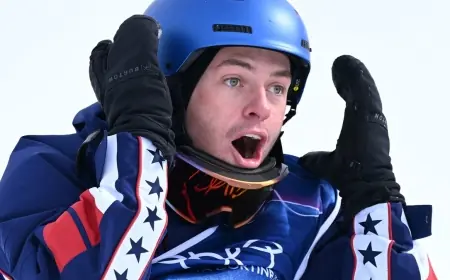
Ilia Malinin’s blunt assessment of his Olympic performance has opened a new discussion about how elite athletes cope with the spotlight. The 21-year-old skater said he simply was not prepared to handle the intensity at the Milan Cortina Games, remarks that underscore the wider mental and emotional burdens placed on top competitors — an issue often associated with elite names such as simone biles.
Malinin’s candid breakdown of what went wrong
Malinin, who entered the Winter Games as a heavy favorite after dominating the 2025–26 season, acknowledged that the expectations got the better of him. He described the moment he stepped onto the ice as overwhelming and said that while he had felt confident earlier in the day, the atmosphere changed things.
“Honestly, it’s not a pleasant feeling. The most honest way to say it is it’s just a lot on you, just so many eyes, so much attention, ” he said, adding that he wasn’t ready to fully embrace that pressure. The result was a free skate score of 156. 33 in the individual event — a sharp drop from the free skate numbers he posted in competitions earlier that season, which included scores above 200 and even beyond 230.
Malinin’s season had showcased his technical firepower: he is credited with an unprecedented set of quad jumps, including the quad axel in competition, and has pushed the sport’s technical envelope. Still, he noted that the Olympic setting created a different kind of challenge and vowed to take lessons forward as he prepares for future events.
Wider implications: elite expectations and athlete well-being
Malinin’s comments arrive amid a broader conversation about how public scrutiny and perceived expectations affect elite athletes. High-profile competitors across sports often bear a dual burden: delivering peak performance while managing outsized public attention. For some, that pressure contributes to unexpected outcomes; for others it provokes career-altering conversations about preparation, support and mental health.
Observers point out that the glare of the Olympics can change the dynamics of competition. In Malinin’s case, a season that saw a series of dominant performances gave way to an Olympic free skate marred by errors. He had earlier helped his country capture gold in the team event with a free skate that scored 200. 03, demonstrating the fine line between thriving and struggling under the same Games’ spotlight.
How federations, coaches and athletes respond now will matter. Malinin said he intends to learn from the experience and adjust his lead-up to the next Games, noting that a different approach to preparation could help him better manage expectations and recreate the performances that made him a pre-Olympic favorite.
What comes next for Malinin and the sport
Despite the setback in the individual competition, Malinin’s career is far from over. He remains a reigning world champion with more events on the immediate calendar, including a world championships appearance expected next month and an exhibition gala skate slated for Saturday, February 21, 2026 (ET). At 21, he still sits at the center of a generation reshaping men’s figure skating, both technically and in terms of the sport’s public profile.
His experience in Milan serves as a reminder that even athletes who break technical barriers must also navigate intense psychological demands at the Games. As governing bodies and teams look to support high performers, the sport may increasingly emphasize mental preparedness alongside technical readiness — a shift that could benefit competitors across disciplines and levels.
For a generation of athletes used to livestreamed scrutiny and instant analysis, the lesson is clear: technical excellence alone may not be enough at the Olympics. Managing the arena’s pressure, the expectations of a nation and the personal stakes of a once-in-a-career moment will be as crucial as any jump, vault or routine — a reality that resonates beyond figure skating and into the wider sporting world.