


















How Ryan Murphy’s Love Story Reignited Interest in carolyn bessette kennedy — and Why Calvin Klein Didn’t Follow Suit

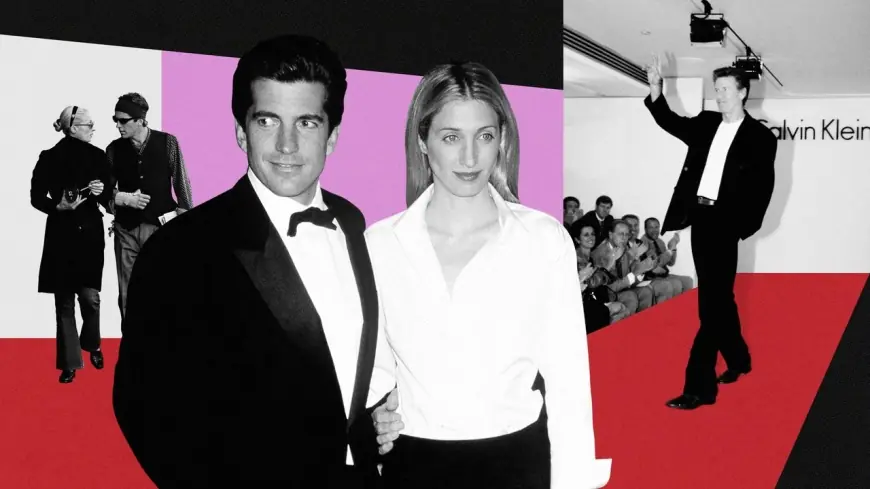
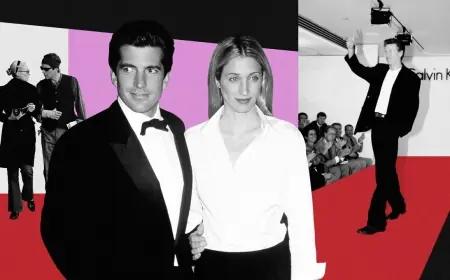
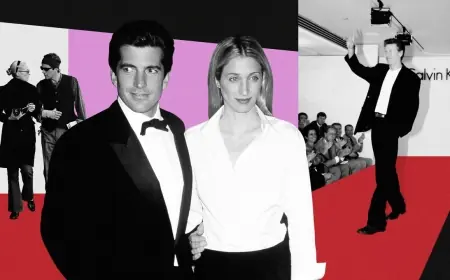
Ryan Murphy’s limited series Love Story premiered on Feb. 12, 2026 (ET), and its retrospective spotlight on carolyn bessette kennedy has rippled through fashion and culture. The timing put the show in direct conversation with a major Calvin Klein runway presentation the following night — a collision that revealed how memory, branding and creative choices shape what a zeitgeist figure can mean nearly three decades after her death.
Love Story resurrects a 1990s silhouette
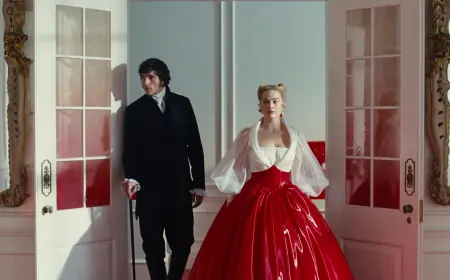
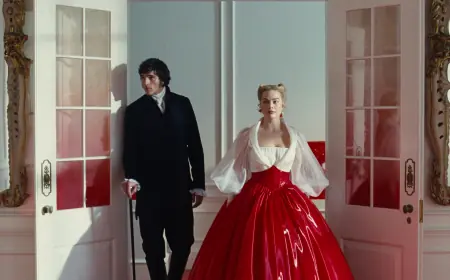
The series leans hard into the pared-back aesthetic that made Bessette Kennedy an icon: slip dresses, slim pencil skirts, clipped tailoring and the neutral palette that became shorthand for 1990s minimalism. Production and set design emphasize a controlled color scheme and clutter-free environments to recreate a version of New York where phones and social media don’t dictate gestures. That careful reconstruction — from corporate showrooms to lofts lit through glass brick — helped make the period feel immediate and intimate, and it reminded audiences why the Bessette Kennedy look continues to influence wardrobes and the cultural imagination.
For fashion observers, the series did more than dress actors; it reframed how those garments are read today. The effect has been twofold: a renewed appetite for the era’s signature pieces and a scramble by other brands to mine that aesthetic, offering capsule collections and editorial references that echo the show’s images of quiet glamour.
Calvin Klein’s runway chose a different conversation
Despite the series’ focus on a former employee and muse of the brand, the Calvin Klein runway chose not to lean into 1990s nostalgia. Creative leadership said the collection looked farther back, toward the late 1970s and early 1980s, seeking a less literal revival and a different set of references. The resulting show mixed experimental tailoring — sleeveless suits and backless suiting — with moments that nodded to the past but reframed it through contemporary touches.
The divergence sharpened a broader question facing heritage brands: whether to mine their most famous eras or to push their identity in new directions. Choosing an earlier chapter in the brand’s history produced work that some found invigorating and others found uncertain, reflecting the difficulty of reconciling legacy with present-day ambitions.
Storytelling, ownership and the politics of revival
Beyond aesthetics, the series reopened a debate about who gets to tell Kennedy family stories and how. Public pushback from relatives and others has underscored the tension between dramatization and privacy; the ethical debate now runs alongside the sartorial conversation. Creators and designers are navigating not only taste but the emotional freight that comes with portraying a real couple whose lives ended in tragedy and whose image remains highly curated in the cultural imagination.
What emerges from this moment is not a single answer but a patchwork: television and set design can revive and romanticize a style, while a global brand can deliberately pull in another direction. Both choices will reverberate in stores, on social feeds and in the conversations that follow New York’s runway and screen calendar. For fans of carolyn bessette kennedy’s look, the series has made the aesthetic newly visible; whether that visibility rewrites the fashion establishment’s priorities remains to be seen.