





















‘He did it for us’: US soldier recalls jesse jackson’s efforts to free him and two other POWs

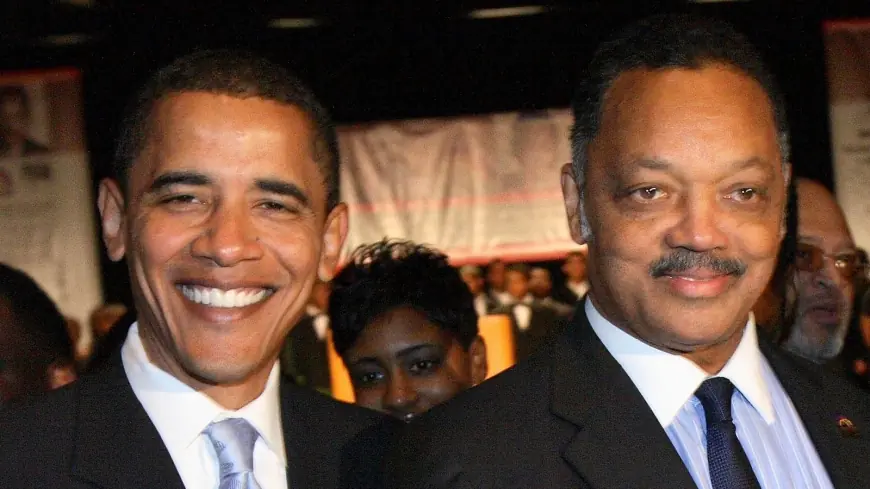
Jesse Jackson, who died on Tuesday, Feb. 17, 2026 (ET), is being remembered not only as a towering civil rights figure but also for hands-on interventions overseas. One such episode came in 1999, when Jackson led a mission that helped secure the release of three US soldiers held by Yugoslav forces during the Kosovo conflict. Sergeant Andrew Ramirez, one of the freed soldiers, described the surprise and relief of the moment—and the role Jackson played.
A risky, private diplomatic push
In March 1999, Ramirez and two fellow soldiers were captured near the Macedonian-Yugoslav border after a brief firefight while on patrol. At the time, NATO had just launched a major air campaign aimed at pressuring Yugoslav forces to withdraw from Kosovo. The three Americans—Ramirez, Sergeant Christopher Stone and Specialist Steven Gonzales—were held for more than a month in difficult conditions.
Behind the scenes, Jackson organized a delegation to press for their release. He traveled with an Illinois congressman and a multi-faith team to Belgrade, where they sought direct access to Yugoslav leaders. The mission went forward despite warnings from the US administration that military operations would continue and concerns over the safety and political ramifications of such an intervention.
Jackson had prior experience in what his supporters called private diplomacy: previous trips had led to the release of Americans detained abroad in fragile or hostile situations. That history underpinned his decision to press for face-to-face negotiations in Belgrade, believing that personal engagement could create a path to free the captives when formal channels were constrained by military and diplomatic tensions.
The day of release: confusion, cameras and a familiar face
Ramirez later recalled the unexpected manner of the release. Without explanation, Yugoslav guards escorted the three prisoners out of confinement. When they reached a room, Ramirez saw television cameras and a high-profile visitor waiting. "Without any explanation [the Yugoslavs] came and got us. They walked us out, handcuffed and everything, to a room. I saw cameras and some other news agencies, " he said. "And there was Reverend Jesse Jackson. We had no knowledge, and no idea what was going on. I later joked to him that I thought the place was crazy - they even got Reverend Jackson captive!"
For Ramirez and his comrades, the scene was surreal: after weeks in cramped, dark quarters and repeated interrogations, they were suddenly free and surrounded by the footage and commotion of an international media moment. For Jackson and members of his delegation, the outcome represented the culmination of a tense negotiation and a decision to act despite political resistance back home.
Legacy of direct action and political bridge-building
The 1999 intervention is one episode in a long career that blended civil rights activism, electoral politics and global engagement. Jackson campaigned for social and economic justice domestically while repeatedly taking on roles that his allies described as pragmatic efforts to protect Americans abroad. His critics sometimes questioned the political calculus of such missions, but for those who benefited directly—like Ramirez—the effort was personal and decisive.
In later years, national leaders and former allies acknowledged Jackson’s influence in expanding political opportunities and shaping progressive organizing. For many who remembered the freed soldiers, the 1999 episode remained a clear example of the way he combined moral conviction with direct action to achieve immediate results on the ground.
As tributes continue, Ramirez’s recollection underscores a less-discussed strand of Jackson’s work: the willingness to step into high-risk diplomatic spaces to secure concrete outcomes for ordinary Americans caught in extraordinary circumstances.