























Triple overlap in February: Mardi Gras, Ramadan and Lunar New Year collide as lent 2026 approaches

For communities around the globe, Tuesday, Feb. 17, 2026 (ET) brings an uncommon calendar convergence: Mardi Gras, the start of the Lunar New Year and the beginning of Ramadan’s first night all fall at the same time. The juxtaposition comes days before Ash Wednesday and the start of lent 2026, creating a compact window of major cultural and religious observances.
What’s happening and when (all times ET)
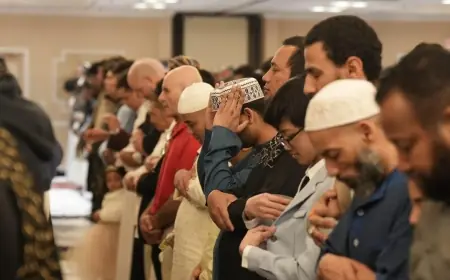
Tuesday, Feb. 17, 2026 (ET): Mardi Gras culminates, marking the end of Carnival season for many Christian communities that celebrate before Lent. The Lunar New Year also begins on this date and will continue through the Lantern Festival on Tuesday, March 3, 2026 (ET). Ramadan’s start is tied to the sighting of the waxing crescent moon; Saudi Arabian observatories have confirmed that the holy month begins the night of Tuesday, Feb. 17, 2026 (ET), when the crescent is visible.
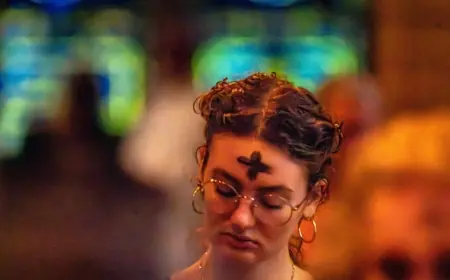
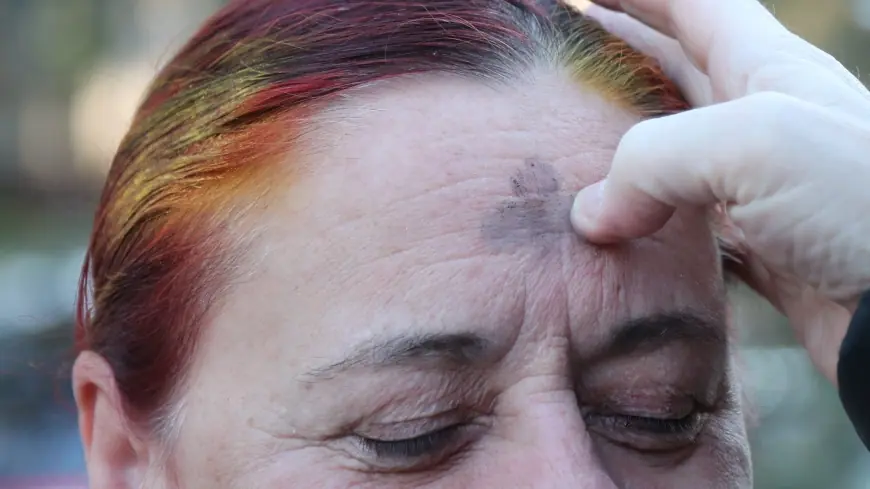
Wednesday, Feb. 18, 2026 (ET): Ash Wednesday arrives, signaling the formal start of lent 2026 for Christians and Catholics observing the Lenten season leading up to Easter.
Why the alignment is rare and how calendars collide
Each observance follows a different calendar system. Lunar New Year is set by the lunisolar calendar used across East and Southeast Asia; Ramadan follows the Islamic lunar calendar and shifts roughly 10 to 11 days earlier each Gregorian year; and Mardi Gras is anchored to the Christian movable feast calendar, tied to the date of Easter. Because those systems drift relative to one another, overlaps happen only sporadically when lunar phases and ecclesiastical calculations fall into the same span.
Mardi Gras and Lunar New Year have landed on the same date only a handful of times in recent decades—nine occurrences since 1947—and the last time both fell together was in 2002. Ramadan does not always align in those years; for example, Ramadan began in November in 2002, so a three-way overlap was not possible then. That makes the simultaneous occurrence of all three celebrations in February 2026 especially uncommon.
What this means for communities, events and services
The close timing of these observances creates both challenges and opportunities for cities, places of worship and cultural organizations. In locales with diverse populations, festival logistics, municipal services and hospitality schedules may see extra demand: parades, family reunions, evening communal meals and religious services can place pressure on public transit, restaurants and law enforcement. Some businesses may adjust hours to accommodate both late-night carnival events and nightly Ramadan prayers and iftars, while community centers may host multi-faith gatherings or outreach events.
For individuals, the overlap can foster meaningful cross-cultural interactions. Parade-goers and revelers may encounter Ramadan iftar tents in neighborhoods with large Muslim populations. Families celebrating Lunar New Year might also take part in or witness Carnival processions. Interfaith programs and community calendars can help reduce conflicts and highlight shared values—charity, family, reflection and renewal—that run through each tradition.
Practically speaking, planners and participants should check local schedules for parade routes, public transportation adjustments and the timing of nightly Ramadan observances, which begin at sunset. Religious authorities may refine exact start dates based on local moon sighting practices, so communities are advised to watch announcements from their places of worship for any last-minute updates.
Whether experienced as a convergence of celebration, devotion or both, the February 2026 overlap offers a rare moment when multiple lunar and liturgical rhythms meet on the calendar—just ahead of the contemplative start of lent 2026.