pam bondi faces sharp criticism after House hearing and DOJ release missteps

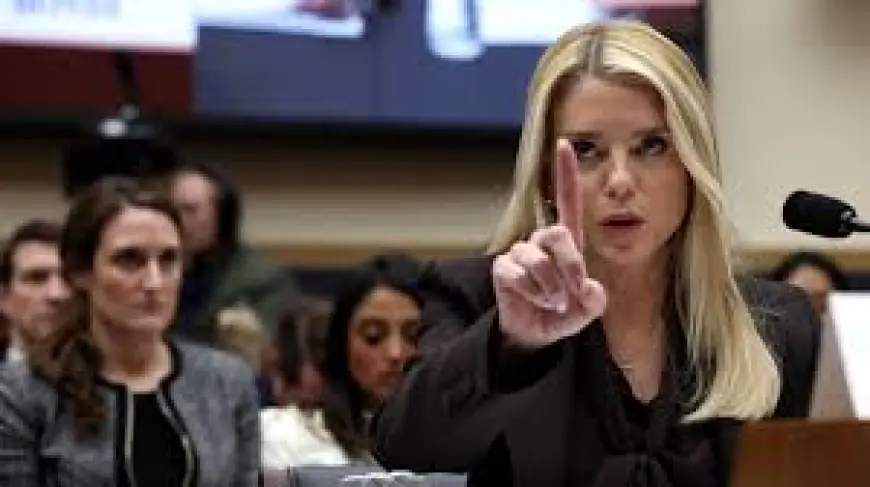
Attorney General pam bondi came under intense scrutiny this week after a combative appearance before the House Judiciary Committee and the Justice Department’s problematic publication of long-sought documents tied to Jeffrey Epstein. Victims in the hearing expressed renewed anguish, while lawmakers and advocates blasted what they called a failure to protect survivors’ privacy amid selective redactions that appeared to shield prominent individuals.
Combative testimony in front of victims
The hearing, held Thursday afternoon ET in the House Judiciary Committee room, put victims in the same chamber as the Attorney General. Several who have waited years for transparency sat in the gallery and watched the exchange unfold. Rather than offering apologies for past handling of material, the Attorney General repeatedly deflected, at times using personal insults against members of the committee and turning to political attacks.
Committee members from both parties pressed for explanations about delays in releasing the files and the degree of protection afforded to victims. Witnesses in the room said they were searching for clarity and accountability. Instead, the proceeding escalated into political theater, leaving many attendees and observers questioning whether the department prioritized victims’ dignity or political considerations.
DOJ release criticized for exposing victims and protecting elites
The Justice Department’s document release was intended to shed light on decades of allegations and transactions. But the rollout was marred by what critics described as a sequence of serious missteps. Among the most alarming: dozens of images that appear to have been posted without adequate redactions, including explicit photographs of women who were identified as victims. Survivors and advocates said the disclosures compounded trauma and represented a betrayal by the institutions tasked with safeguarding their interests.
At the same time, advocates note that a significant portion of the material remains heavily redacted. Lawmakers who reviewed the unredacted records say nearly four-fifths of the content remains hidden, including references to several wealthy, powerful men whose identities were withheld. That contrast — careless exposure of victims’ intimate images alongside extensive protection for elite figures — fueled accusations that the process was weaponized or selectively managed.
Political fallout and unanswered questions
Questions now center on why the department moved slowly to release the files, who made decisions about redactions, and how safeguards for survivors failed during the upload. Critics point to months of refusal to disclose material until compelled by congressional action, then a hasty publication that left investigators and privacy advocates alarmed.
Lawmakers are demanding clearer explanations about the chain of custody for the records, the criteria used to redact or release items, and the steps the department will take to remedy harm done to survivors. For victims, the immediate priority is restoration of privacy and a credible plan to prevent further exposure. For the department, the test will be whether it can demonstrate competence and impartiality in handling highly sensitive evidence going forward.
The controversy underscores broader tensions about transparency, accountability and the uneven ways powerful people are treated in high-profile investigations. The coming weeks are likely to produce renewed oversight activity, formal inquiries, and calls for procedural reforms to ensure that disclosures meant to advance justice do not instead inflict fresh damage on those who have already suffered.