




















Macron visit in bombay spotlights push for more India-made Rafale components

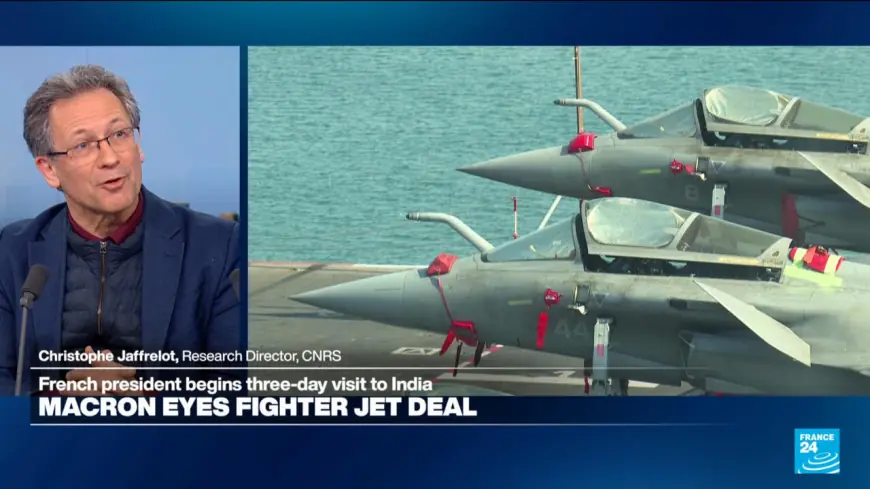
French President Emmanuel Macron’s stop in Mumbai on Feb. 17, 2026 (ET) sharpened focus on defence industrialisation and local production as Indian leaders pressed for greater India-made content in future Rafale fighter purchases. The high-profile meeting further underscored a broader push to deepen economic and strategic cooperation between the two countries.
Defence industrialisation climbs the agenda
Defence manufacturing emerged as a central theme in the bilateral talks. India’s defence minister signalled a clear intent to raise the share of Indian-made components in any expanded Rafale deal and will carry that demand to France during an upcoming visit. Officials framed the push as part of a larger objective to strengthen domestic supply chains and ensure that future procurements deliver greater technology transfer and local job creation.
Discussions in Mumbai also touched on proposals for a sizeable follow-on Rafale purchase that would scale existing industrial ties. Indian officials argued that augmenting the manufacturing footprint at home would not only boost employment and supplier ecosystems but also reduce strategic dependencies by building resilient defence supply chains in the Indo-Pacific.
Wider strategic and industrial ties gain momentum
The leaders used the summit to position their partnership beyond single-platform deals. They highlighted cooperation across technology, energy, and aerospace, and marked the inauguration of a new final assembly line for H125 helicopters in southern India — the country’s first private-sector helicopter manufacturing facility. That facility represents a tangible example of the type of industrial collaboration New Delhi seeks to replicate for larger weapons systems.
While both capitals framed the relationship as a stabilising force amid a shifting global order, analysts note that any significant shift in India’s procurement emphasis toward Western suppliers will require careful diplomatic and commercial balancing. Some observers warn New Delhi may need to manage ties with other long-standing partners as it diversifies supply lines and deepens defence engagement with European manufacturers.
Balancing geopolitics and market realities
Beyond headline procurement figures, the negotiations reflect a complex calculus. Paris is pushing to expand its role in the Indo-Pacific through deeper defence sales and industrial partnerships, while New Delhi is weighing the operational, economic and diplomatic implications of sourcing choices. Increasing the share of India-made components in jet contracts is being sold domestically as an industrial win, but it also requires greater transfer of design, testing and system-integration capabilities.
the talks in Mumbai signal a phase of accelerated cooperation, but key details remain to be negotiated — including timelines for technology transfer, certification of local suppliers and the scale of commitments on both sides. For New Delhi, securing concrete guarantees of manufacturing participation and offset arrangements will be paramount if any large-scale Rafale follow-on order moves forward.
The visit underlined a practical approach: bilateral ties that expand defence cooperation while delivering industrial dividends at home. With the defence minister set to press the India-made components demand in France, the coming weeks will test whether political momentum can be converted into binding industrial commitments that reshape how major platforms are produced and supported in the region.