

















Colbert, Network Clash Over james talarico Interview as FCC Equal-Time Debate Heats Up

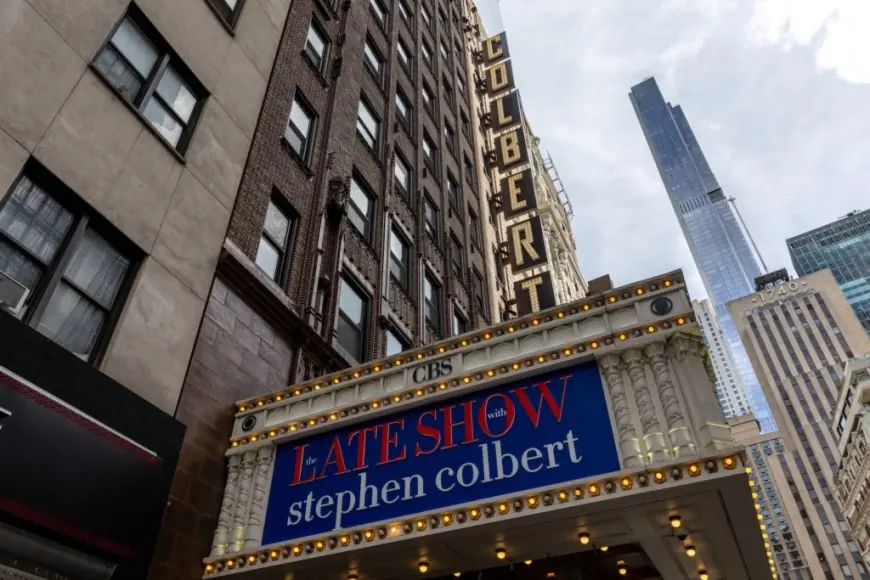
Late-night host Stephen Colbert said his broadcast was blocked from airing an interview with james talarico, a Texas Democrat and U. S. Senate candidate; the network counters that it offered legal guidance, not a ban. The dust-up has revived a long-simmering clash over the Federal Communications Commission's equal-time rule and whether entertainment programming can be treated the same as straight news coverage.
What unfolded: interview moved off the broadcast
Colbert had planned to air an interview with james talarico on his late-night program, but said he was told the segment could not be shown on the network. The host chose to make the interview available through an online stream instead. The network responded that it did not prohibit the broadcast but provided legal counsel warning that airing the interview on broadcast television could trigger equal-time obligations for two other candidates, including Representative Jasmine Crockett.
That exchange left viewers and media watchers with conflicting narratives: the host framed the move as censorship by the network, while the network framed it as risk-avoidance in light of regulatory exposure. Both positions hinge on how strictly the equal-time statute is interpreted and whether interview segments on entertainment programs fall within the law’s exemptions.
FCC debate: equal-time rule, exemptions and a letter that shook late night
The equal-time rule, a long-standing statute, requires broadcast outlets to provide comparable opportunities to legally qualified candidates when one candidate appears. For decades, entertainment and daytime talk programs have generally operated under what is known as the bona fide news exemption, which shields newsworthy coverage from equal-time obligations.
In January (ET), FCC leadership signaled a reassessment of that exemption, prompting concern across broadcast and entertainment circles. The chairman’s letter suggested reconsidering whether interviews on talk and variety shows should retain their exemption when programming appears motivated by partisan aims. An FCC commissioner who discussed the matter on public television noted that recent notices issued by the agency did not add new law but flagged the exemption for fresh scrutiny.
Commissioner Anna Gomez emphasized that the statute itself remains the baseline: legally qualified candidates can request equal time when a rival appears, but bona fide news programming typically falls outside that requirement. She acknowledged the confusion created by mixed messages around whether networks may simply advise against a broadcast or actually bar it, and she said the FCC’s recent statements have complicated longstanding practices for entertainment shows.
Political and free-press implications
The immediate practical issue is procedural: if a broadcast outlet runs an interview with one candidate, how should it meet equal-time claims from others? The network in this case outlined possible remedies it says would satisfy any equal-time requests. But the larger stakes involve content decisions and the marketplace for political speech.
Producers of entertainment programming have long selected guests and topics without fearing an enforceable obligation to book ideological opposites; altering that calculus could chill political interviews on shows that are not traditional news outlets. Campaign strategists are watching closely, since access to host-driven audiences can be valuable in tight primary and general-election races.
For james talarico and other candidates, the dispute underscores how regulatory shifts can reshape campaign exposure. Whether the controversy prompts formal complaints, expanded FCC action, or a fresh rulemaking remains to be seen. For now, the split between the host’s public criticism and the network’s legal caution highlights the fraught intersection of entertainment, regulation, and political broadcasting in an election cycle.