
















CPS Tells High Court quran Burning Was Disorderly and Conviction Should Stand

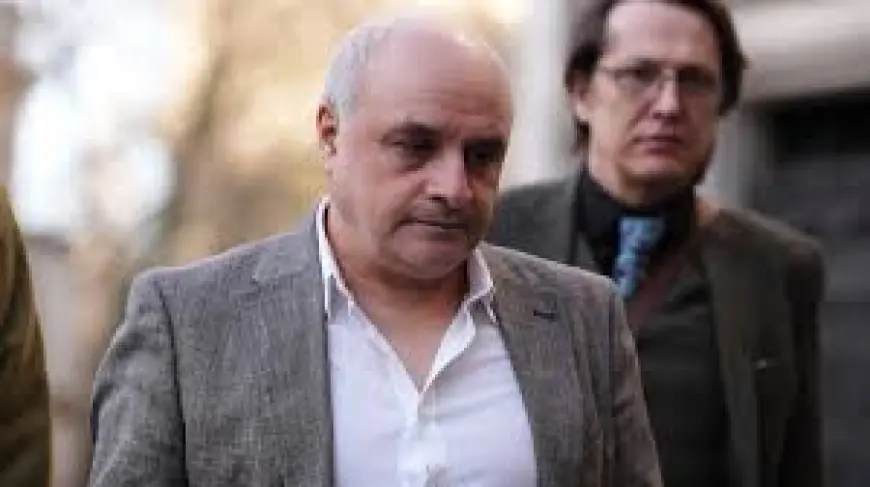
Prosecutors urged senior judges that burning a religious text in central London is inherently disorderly and merited upholding a conviction after a man set a quran alight outside a consulate. The High Court heard the Crown seeks to send the case back to the crown court for reconsideration.
Prosecution argues act crossed into criminality
The case centres on a protest on 13 February 2025 ET when 51-year-old Hamit Coskun held a flaming copy of the Islamic text aloft outside a diplomatic building in Rutland Gardens, London. He was convicted in June 2025 ET of a religiously aggravated public order offence, but that conviction was overturned at a subsequent crown court hearing in October 2025 ET.
At a High Court hearing, Crown barristers pressed that the earlier ruling was wrong to conclude Coskun's behaviour was not disorderly. David Perry KC argued that burning a book in a residential or commercial area between Knightsbridge and Hyde Park is disruptive by its nature, and that the fact the item was a holy text made the conduct more serious.
Written submissions advanced by the prosecution contend the defendant's actions did not fall within legitimate freedom of expression and instead crossed the line into criminal conduct motivated by hostility towards a religious group. They asked senior judges to order a fresh crown court consideration of whether the original conviction should stand.
Context of the protest and subsequent attack
The demonstration included shouted slogans aimed at followers of Islam and drew an immediate, violent response: a man emerged from a nearby building and slashed at Coskun with a large knife. That attacker later received a suspended prison sentence in September 2025 ET after arguing he had acted in defence of his faith.
Prosecutors told the High Court that the assault was effectively provoked by Coskun's conduct. At the same time, Coskun was provided accommodation by the Home Office because of threats that followed the protest.
Coskun has resisted the legal challenge and attended the hearing before Lord Justice Warby and Ms Justice Obi. The contest at the High Court turns on whether the original judge at the crown court was correct to set aside the conviction, and on how the law balances inflammatory protest, public order and freedom of expression.
Legal and public order implications
The conviction at issue was for using disorderly behaviour within the sight or hearing of a person likely to be caused harassment, alarm or distress, with the offence recorded as religiously aggravated under the Crime and Disorder Act 1998 and section five of the Public Order Act 1986. The Crown argues the facts fit squarely within those legal provisions.
Defence arguments maintain that the protest, however offensive to many, engaged rights of expression and assembly and that criminal liability should not turn on whether the conduct provoked a later violent reaction from a third party. The High Court will have to navigate that tension as it decides whether to remit the matter to the crown court.
Judicial consideration of the appeal could have wider implications for future protests that target religious symbols and texts, particularly where demonstrations take place in mixed-use urban locations and risk sparking confrontations. The court reserved judgment at the conclusion of the hearing.