look mum no computer unveils DIY modular unit and teases limited-run hardware push

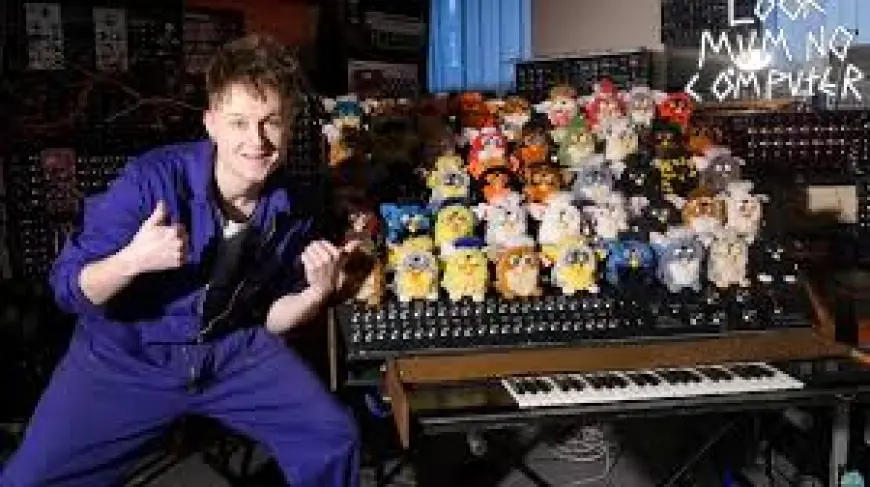
Sam Battle, the creator behind the look mum no computer persona, used a late-night livestream to reveal a new DIY-friendly modular instrument and announce plans for a small-batch hardware release. The presentation combined a performance-style demo with build notes and a promise to keep the parts accessible for the maker community.
Live demo merges showmanship with technical walkthrough
The livestream, held on Feb. 17, 2026 ET, opened with a short performance showcasing the unit's sonic range: crunchy lo-fi drums, brittle arpeggios and a variable feedback path that produced snarling textures at high resonance. Battle then moved into a methodical teardown of the prototype, explaining circuit choices, component sourcing and the reasoning behind the unit's tactile interface.
He emphasized playable quirks over maximum specification, noting that the instrument's heart is a set of intentionally mismatched analog filters and a hybrid digital-clocked modulation section. The design favors unpredictability—buttons and patch points that invite experimentation rather than strict signal routing. The walkthrough included clear shots of perfboards, hand-wired headers and a scarce but manageable parts list, signaling a focus on do-it-yourself audiences and small-scale builders.
Limited-run hardware, community kits and live shows
Battle said a limited-run production of boxed units will follow the DIY release. The small-batch hardware will arrive pre-assembled for those who want the instrument without the soldering iron. He did not give an exact release date but set expectations for an order window opening in late spring 2026 ET with a modest production count designed to keep the release exclusive yet affordable.
Alongside the pre-built units, Battle intends to publish full build documentation and offer PCB-only and parts-kit options. He framed the strategy as an effort to balance accessibility with sustainability: smaller runs reduce waste and keep quality control tight, while kits keep the project within reach of hobbyists and educators. He also flagged plans for an accompanying set of firmware updates and a patchbank of sounds curated from the livestream builds.
On the touring side, Battle previewed upcoming appearances that will spotlight the new instrument in both solo and collaborative settings. He described the live shows as hybrid experiences where instrument demonstration, workshop segments and performance blur together—an approach that has become a signature part of his work over the years.
Reaction, implications and what to watch next
The response in real time mixed excitement and practical questions about parts sourcing, shipping regions and warranty terms. Many viewers praised the clear documentation and affordable-kit ethos; others raised concerns about component shortages and the price point of the preassembled units. Battle addressed supply-chain worries by saying he would publish a prioritized substitute list for hard-to-find parts and limit sales per customer to keep more units available to individual builders.
For the broader synth and maker scenes, this move reinforces a trend toward community-focused hardware drops: small, well-documented productions that invite users to learn through building. If Battle delivers on the promised documentation and parts options, the project could serve as a practical entry point for newcomers and a playful tool for seasoned modular users.
Filmogaz will track the ordering window and any confirmed shipping dates as they are announced. Expect further coverage when the prebuilt units become available and when the first community kit builds start circulating publicly.