
























uae vs south africa: T20 World Cup 2026 — live drama and what to watch

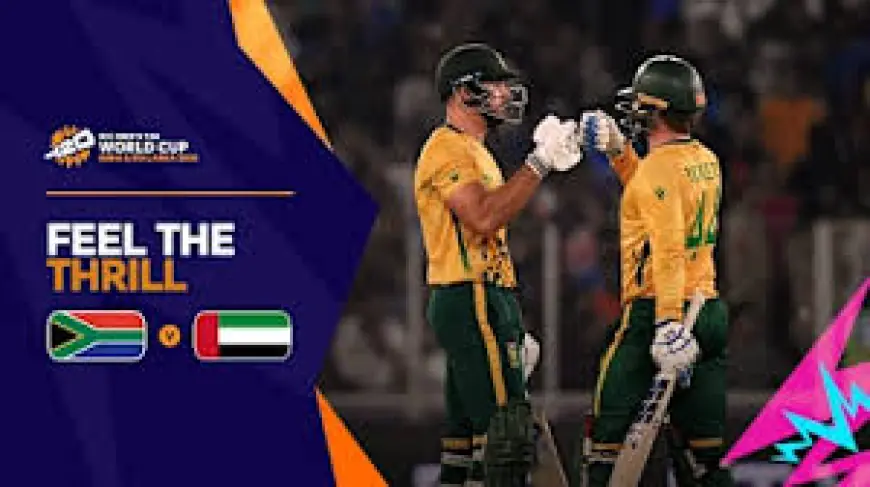
South Africa and the United Arab Emirates met in a high-stakes T20 World Cup fixture that blended expectation with surprise. The match has delivered rapid-fire momentum shifts, strategic chess and moments that will shape both teams' trajectories in the tournament.
How the contest unfolded
The game opened with aggressive intent from both sides. One team aimed to assert dominance through a power-packed top order, looking to wrest control during the powerplay overs; the other countered with a disciplined mix of pace and spin, hoping to choke scoring opportunities and force mistakes. Early boundaries and a sharp fielding display set the tempo, but episodes of tight bowling restricted sustained run rates.
As the middle overs arrived, the contest became a study in momentum management. Bowlers who dug in with precise lengths and variations earned breakthroughs, while the batters who rotated strike and picked boundary gaps kept the scoreboard ticking. A late flurry of hitting pushed the innings toward a tense finish, turning the final overs into a sprint that demanded calculated risk-taking and flawless execution under pressure.
Key phases — the opening powerplay, the middle-overs consolidation and the death-overs acceleration — each produced turning points. Smart captaincy decisions around bowling changes and field placements played a decisive role, and single moments of brilliance in the field swung momentum back and forth. The match was punctuated by tight finishes that reflected the growing competitiveness of associate nations against established sides.
Key match-ups and tactical pivots
At the core of the contest were several tactical match-ups. One side's pace battery sought to exploit early movement and target the stumps, while the other relied on measured, wristy strokeplay to counter swing and seam. Spin proved a potent option in the middle overs, with variations in flight and pace challenging batters forced to improvise.
Captaincy choices were spotlighted: deploying bowlers to stem partnerships, rotating youngsters to keep batting momentum, and field reshuffles that cut off crucial boundary options. The side that adapted faster to pitch conditions and recalibrated plans after each over appeared to gain the upper hand. Fitness and fielding standards were equally influential — athletic saves and direct hits added scoreboard value beyond runs and wickets.
Individual contributions — whether a quick-fire cameo, a tight bowling spell or a game-changing catch — underlined how T20 margins are often decided by brief, high-impact moments. Emerging players from the underdog side showcased composure against top-quality opposition, while the established side leaned on depth and experience when the contest tightened.
What the result means and what to watch next
The outcome has immediate implications for group standings and momentum. A win provides a morale boost and strengthens qualification prospects, while defeat will prompt tactical reassessments and raise questions about consistency and depth. For tournament narratives, the match highlighted the narrowing gap between traditional powers and rising teams, emphasising that form and execution matter more than reputation.
Looking ahead, teams will reassess workloads and tweak strategies ahead of forthcoming matches. Bowlers who found rhythm will be earmarked for key overs, while batters who excelled will be central to run-chase plans. Fans should watch how both sides respond: softening or sharpening tactics, promoting aggressive options in the batting order, and fine-tuning bowling roles for high-pressure encounters.
In short, uae vs south africa served as a reminder of T20 cricket’s unpredictability — a format where momentum swings fast, tactical flexibility wins matches, and single moments can define a campaign. The broader tournament will watch closely to see whether this contest marks a turning point for either side.