Estonia Boosts Defense and Cyber Measures Amid Rising Regional Tensions

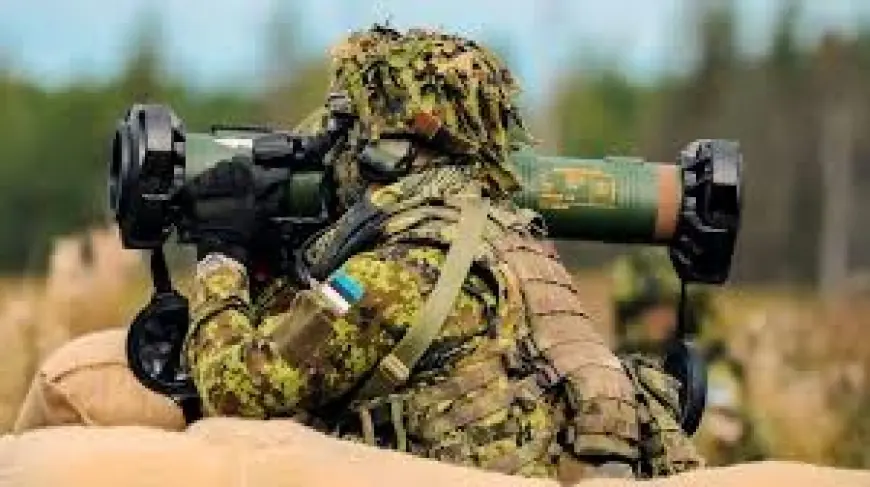
Estonia’s government unveiled a stepped-up security package this week, combining additional troop deployments, accelerated air-defence procurement and expanded cyber-defence measures in response to a deteriorating regional security environment. Officials framed the moves as deterrence-focused, aimed at protecting critical infrastructure and reassuring citizens and allies.
Military posture hardens with new deployments and procurement plans
outlining the measures, the interior and defense ministries said they are increasing the readiness of units stationed near the Russian and Belarus borders and will rotate extra forces through the country for training and deterrence missions. The package includes plans to fast-track deliveries of mobile air-defence systems and to expand reserve-callup training so that the armed forces can reach higher levels of preparedness more rapidly.
The government emphasized the steps are defensive: they focus on early warning, rapid reinforcement and protecting critical nodes such as ports, airfields and logistic hubs. Commanders described the increased rotations and exercises as designed to test interoperability with partner forces and to demonstrate the capacity to respond quickly to hybrid and kinetic threats.
Cybersecurity and civil resilience get parallel upgrades
Alongside military measures, Tallinn announced upgrades to national cyber-defence capabilities. The package allocates additional funding to monitoring and rapid-response teams tasked with protecting government networks and essential services. Authorities will expand public-private information-sharing mechanisms to detect and mitigate hostile digital campaigns—ranging from distributed denial-of-service attacks to attempts to compromise critical industrial control systems.
Civil-defence initiatives are also part of the plan. The government is investing in communications resilience, emergency power supplies for key facilities and public information campaigns to improve preparedness. these steps reflect an understanding that modern security challenges blend kinetic, cyber and informational elements, and that building national resilience requires integrated responses across ministries.
Regional coordination and NATO ties reinforced
Estonia reiterated its commitment to working closely with neighboring countries and partners on shared security objectives. The defense ministry said it is coordinating exercises and intelligence-sharing with allies to ensure a unified approach to deterrence and rapid reinforcement in the event of escalation. Statements from government representatives emphasized that bolstering regional capacity strengthens collective security and reduces the risk of miscalculation.
Analysts note that Estonia’s moves mirror a broader pattern among frontline states balancing visible deterrence measures with investments in non-kinetic defense. Observers also said the country’s dual focus on physical and cyber defences is consistent with its long-standing digital expertise and the need to protect increasingly networked critical infrastructure.
Officials concluded by urging calm and preparedness among the public, underscoring that the steps are preventative. The government said it will provide further operational details as procurement and training timelines are finalized and will continue to brief partner governments on progress.