























New Orleans Revels on fat tuesday, Carnival’s Final Day of Indulgence

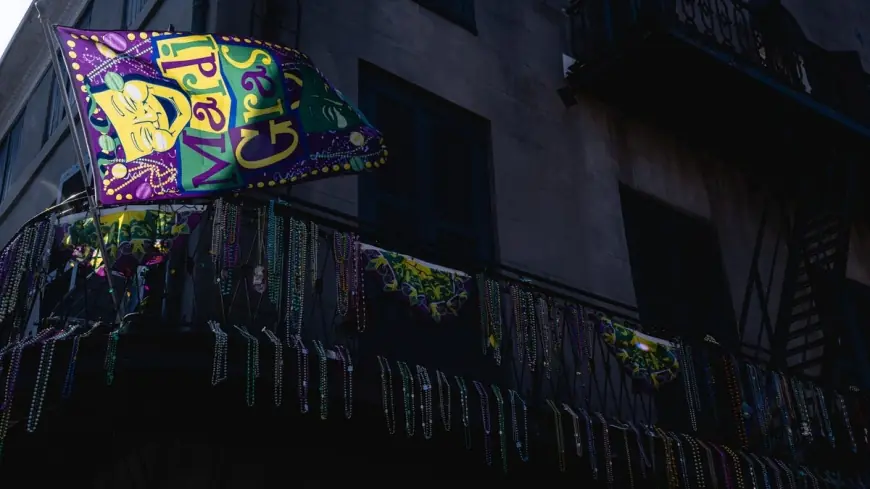
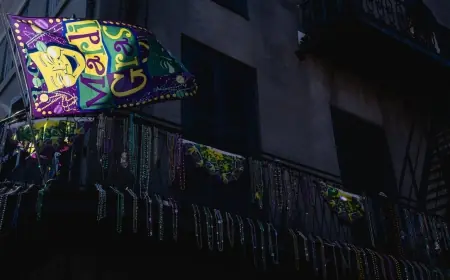
People packed the streets and balconies of New Orleans on Tuesday for the climax of Carnival: Fat Tuesday, also known as Mardi Gras. Floats, marching bands and elaborately costumed revelers turned the city into a nonstop parade as locals and visitors made one last day of feasting and celebration before the start of Lent.
Parades, throws and elaborate costumes
The city came alive early, with revelers staking out spots, hauling chairs, coolers and ladders to secure prime views along historic parade routes. Crowds hollered the familiar call, "Throw me something, Mister, " as massive floats rolled down avenues lined with wrought-iron balconies and oak trees.
Marching bands and costumed riders filled the air with music while throws — plastic beads, candy, doubloons, stuffed animals and novelty cups — rained into the crowds. Some of the day’s most coveted items were hand-decorated coconuts tossed by a longtime krewe, their gold-glittered husks catching the sun as winners waved them aloft.
Parade-goers ranged from sequined glam to homemade creations and cultural pageantry, including beaded, feathered ensembles inspired by traditional masking Indian styles. One long-time local, Sue Mennino, described the day as a time to step away from routine and indulge: "The world will be here tomorrow, but today is a day off and a time to party. " Many participants opted for adult beverages and elaborate makeup rather than morning coffee as the festivities rolled on.
What Fat Tuesday means and what comes next
Fat Tuesday marks the final day of Carnival, a period of feasting and revelry that precedes Lent. The day’s name reflects an older practice of consuming rich foods before the start of a season of fasting and reflection. Fat Tuesday is the same observance known in French as Mardi Gras and in some traditions as Shrove Tuesday, tied historically to rituals of confession and preparation before Lent.
For Christians who observe the liturgical calendar, Lent begins on Ash Wednesday. This year, Ash Wednesday falls on Feb. 18, 2026 (ET), launching a roughly 40-day period of fasting, prayer and repentance that many mark by giving up particular pleasures or practicing other forms of discipline leading up to Easter. Easter Sunday will fall on April 5, 2026, setting the calendar for the season ahead.
Traditions statewide and around the world
While New Orleans is the most visible stage for Fat Tuesday festivities, celebrations span the region and the globe. Across Louisiana, events range from ornate private balls to rural customs such as the Courir de Mardi Gras — a costumed run in which participants collect ingredients and chase live chickens for a communal gumbo. Nearby Gulf Coast cities host their own parades, and Carnival-style festivals are a feature of communities from Brazil to parts of Europe.
The variety of celebrations underscores both communal ties and local creativity: some revelers favor historic pageantry and formal rituals, others delight in playful street performances and quirky competitions like international pancake races. Whether in the French Quarter, on a small parish green or in an overseas carnival, Fat Tuesday remains a moment for abundance before a season of restraint.
As the last floats finished their routes and beads settled on porch railings, New Orleans and similar communities closed one chapter of festive excess and prepared to enter the quieter, reflective weeks ahead.