
















Emerald Fennell’s Wuthering Heights Movie Divides Audiences and Critics

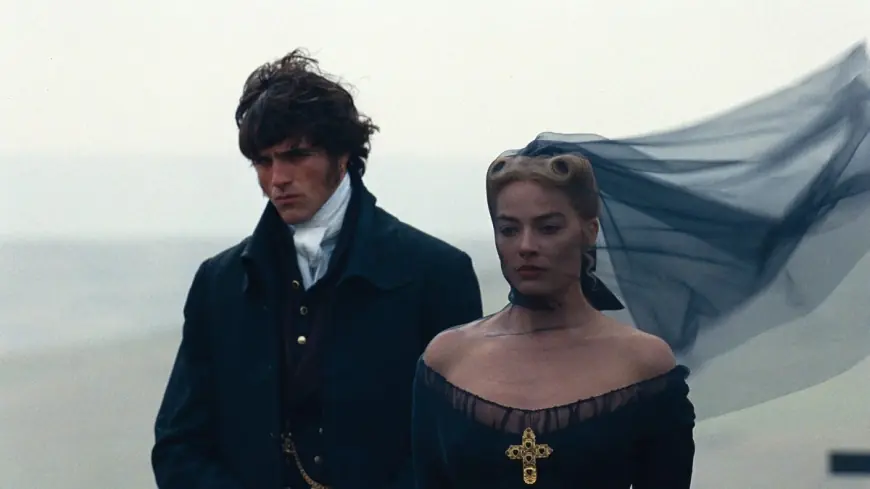
The new wuthering heights movie from director Emerald Fennell opened the weekend of Feb. 14, 2026 (ET) and has quickly become a cultural lightning rod. Critics argue the film trims or softens the novel’s strange, ferocious core; some audiences, meanwhile, embraced the bold casting and stylized sensibility, turning a polarizing release into a lively conversation about adaptation, race and what counts as a faithful retelling.
Critics: the adaptation is stylish but short on Brontë’s strangeness
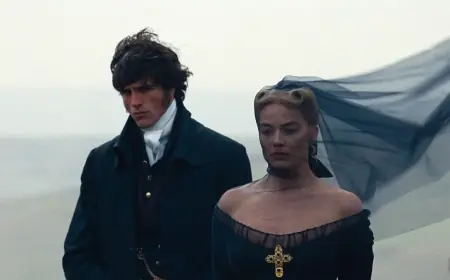
Reviewers who came away disappointed say the film sacrifices the novel’s unnerving mix of obsession, brutality and uneasy redemption in favor of slick set pieces and a pop-inflected soundtrack. That view casts the movie as less strange and less romantic than the book, stripping away the gothic textures that made Emily Brontë’s tale so unsettling and singular. Critics note the adaptation’s neatness undercuts the novel’s moral messiness: the relentless collisions of cruelty and devotion that make the original simultaneously repellant and enthralling are reduced or reimagined in ways that blunt the novel’s emotional shock value.
At the same time, commentary on the film’s tonal choices highlights a deliberate provocation. The director frames the story through contemporary music and highly stylized production design, signaling an attempt to modernize or repackage the text rather than replicate it. For some viewers that gamble pays off; for others it renders the material too self-conscious, neither a convincing period horror nor an earnest romantic tragedy.
Audiences cheer the leads even as casting questions persist
Audience response has been emphatic in certain quarters. A Feb. 13, 3: 30 p. m. ET screening drew a raucous crowd whose enthusiastic reaction centered on the chemistry between the lead actors. Viewers described scenes that prompted laughter, gasps and audible swooning, and early social buzz emphasized star power and erotic charge as reasons many found the film entertaining.
That enthusiasm, however, exists alongside sustained criticism about casting choices. The character of Heathcliff has long been a flashpoint in discussions of race and representation; the novel’s language and historical depictions have prompted filmmakers to make different casting decisions over the years. This new adaptation’s choice to position a conventionally handsome actor as Heathcliff reignited debate about erasing or whitewashing the character’s otherness, a change that some say softens the narrative’s racial and social implications. Supporters counter that a singular performance can recast familiar material for new audiences, while detractors argue adaptation should grapple more honestly with the book’s fraught history.
A polarizing reimagining that keeps Wuthering Heights in the conversation
Whether hailed as a provocative reinvention or critiqued as a betrayal of the novel’s spirit, the film has revived long-running conversations about what adaptation means. The picture’s oscillation between severity and camp unsettles expectations: it is at once an attempt to shock and a mainstream cinematic product built for broad viewership. That tension explains much of the intense reaction. Fans of the source material who prize the novel’s rawness remain skeptical; viewers open to reinterpretation find much to admire in the audacity of the approach.
At its core, the debate over this wuthering heights movie is less about fidelity than about appetite—whether contemporary audiences want a faithful plunge into Brontë’s peculiar darkness or a version that cherry-picks the book’s haute-romantic moments and amplifies them with modern style. The conversation promises to continue as more screenings and critical essays appear in the weeks ahead, keeping one of literature’s most notorious love stories very much alive in cultural debate.