

























VIX Surges 18% to 20.82 as Inflation Surprise and Fed Transition Spark Market Reassessment

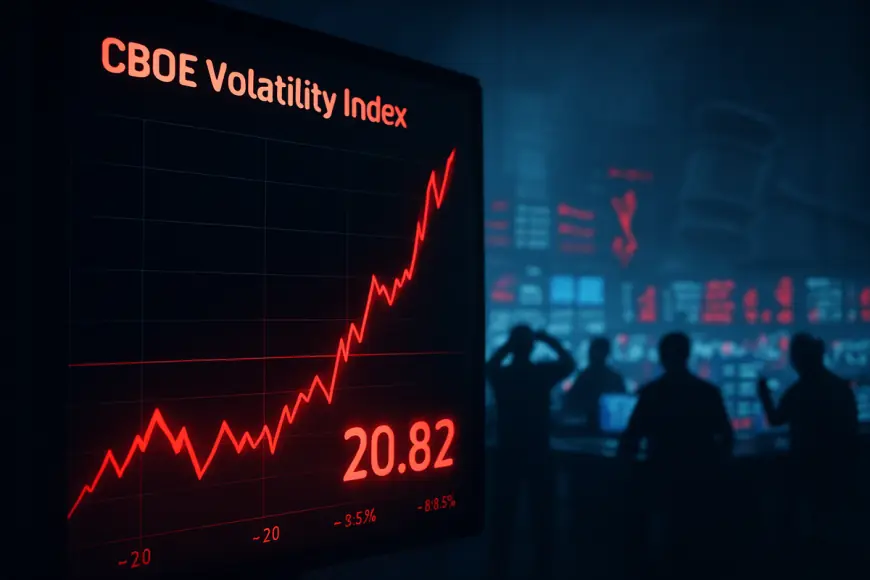
The VIX spiked 18%, closing at 20. 82 in mid-February trading, marking the first sustained move above the 20-point threshold in over eight months. The jump reflects a sudden shift in investor psychology from complacent dip-buying to active risk management as inflation data and a looming leadership change at the Federal Reserve combined to unsettle markets.
What ignited the move: sticky inflation and Fed regime uncertainty
The volatility surge accelerated after the release of the January Consumer Price Index on Feb. 13, 2026 (ET). Core inflation held at 2. 7%, well above the downtrend many market participants had expected and undermining the case for a rapid retreat in interest rates. The stickier-than-anticipated reading prompted traders to reassess the trajectory for the federal funds rate and the likely duration of a 3. 50%–3. 75% policy range.
Compounding the inflation shock was a high-profile nomination to lead the central bank as the current chair’s term winds down in May 2026. Anticipation of a potentially more hawkish leadership and a series of firmer-than-usual comments from regional central bank officials pushed yields higher, particularly along the long end of the Treasury curve. The resulting repricing of discount rates weighed on richly valued growth stocks and fed demand for options-based protection, lifting the vix to levels that forced many market participants to rethink positioning.
Market mechanics: hedges, option flows and a tech correction
Market participants moved quickly to hedge. Institutional managers and algorithmic trading desks increased demand for volatility protection, sending volumes in VIX-linked call options to record highs at various exchanges. That rush heightened intraday swings and widened bid-ask spreads, a dynamic that often benefits intermediaries that provide liquidity in choppy markets.
The initial pain was concentrated among the largest growth names. The major tech leaders endured their worst three-day stretch since 2024 as rising rates amplified discount-rate effects on future earnings. The repricing also hit leveraged and momentum strategies, forcing further selling that reinforced volatility in equities and fixed income alike.
Winners, losers and what comes next
In a high-volatility episode, market makers and trading intermediaries typically see volumes and spreads lift revenue profiles; firms that specialize in facilitating heavy flows found activity accelerating. Volatility exchange-traded products provided traders with direct ways to express views on the spike, although these instruments remain highly volatile and are not suited for long-term buy-and-hold use by most retail investors.
On the flip side, high-multiple growth stocks and leveraged funds that benefited from a prolonged low-volatility regime were the principal losers in the short term. The episode also highlighted how quickly market dynamics can shift when macro data diverge from consensus and policy leadership becomes uncertain.
Looking ahead, volatility is likely to remain elevated through the remainder of February as confirmation hearings for the Fed nominee approach and as markets digest additional macro releases. With the VIX breaching a psychological barrier, portfolio managers are expected to maintain heightened hedging activity and recalibrate risk exposures, rather than simply buying dips.
Investors should expect a more volatile macro tape until either inflation trends clearly return to a downtrend or the policy outlook crystallizes following the succession process. For now, the market’s protective instincts have returned, and the vix is serving as a clear signal that the post-2025 complacency phase may be over.