

























Pancake Day 2026: Shrove Tuesday falls on February 17 — a brief history of the humble pancake

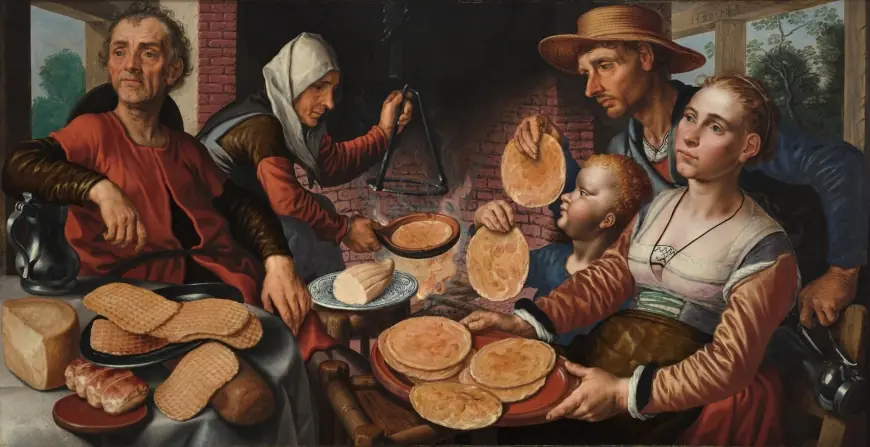
Shrove Tuesday — commonly known as Pancake Day — falls on Tuesday, February 17, 2026 (ET). Observed in the days before the Lenten fast, the occasion has long been marked by cooks clearing rich pantry staples into thin, fried batters. The dish’s texture, ingredients and rituals have shifted over centuries, but the core impulse remains the same: use up eggs, fats and sugar before a season of abstinence.
When and why Pancake Day moves each year
Pancake Day is tied to the Christian calendar: it is the day before Ash Wednesday and therefore shifts each year with the date of Easter. As a movable feast, Shrove Tuesday can fall in February or March. Culturally, it became a practical moment for households to consume perishable and forbidden foods such as eggs, cream, butter and animal fats ahead of the Lenten fast.
From Elizabethan ale batters to spice‑flavoured crisps
Early English recipes show pancakes were thin and cooked until crisp. One Elizabethan recipe blends a pint of thick cream with several egg yolks, a handful of flour and a spoonful or two of ale, then seasons the batter with sugar, cinnamon and ginger. The cooking method was deliberate: a knob of butter was heated until it turned brown, the excess fat tipped out, and the batter was ladled into a tilted pan in as thin a layer as possible. The pancake was flipped once one side had “baked” and cooked until dry and crisp but not burned.
Another influential early recipe recommended using mostly beaten eggs mixed with running water rather than milk or cream, with spices such as cloves, mace, cinnamon and nutmeg and a light flour to bind the mixture. Fried in sweetened butter or lard, these versions were prized for their crispness; contemporaneous cooks argued dairy could make pancakes tough and cloying.
In the 16th and 17th centuries the terms pancake and fritter were often interchangeable; fritters commonly included fruit, while pancakes tended to be plain and thin. Contemporary household recipe collections from that period make clear that pancake-making was both a domestic ritual and a matter of culinary pride, with instructions for turning batter into the crisply edged treats diners prized.
From domestic ritual to modern pancakes
Over time, the pancake evolved as ingredients and technologies changed. Innovations such as self‑raising flour and industrially available baking powders modified textures and made thicker, fluffier pancakes increasingly common. Yet many of the oldest traditions persist: thin, fried cakes sprinkled with sugar and a squeeze of lemon remain a popular choice for those wanting a taste closely resembling early Shrovetide fare.
As Pancake Day 2026 approaches, households and communities will again mark the day in a variety of ways — from simple sweetened buttered pancakes to regional recipes that trace their lineage back centuries. The day’s enduring appeal lies in its combination of practical pantry clearing, seasonal ritual and the simple pleasure of a hot, fried pancake fresh from the pan.