






















Igor Tudor: 'No time for excuses' as Tottenham scramble to arrest slide

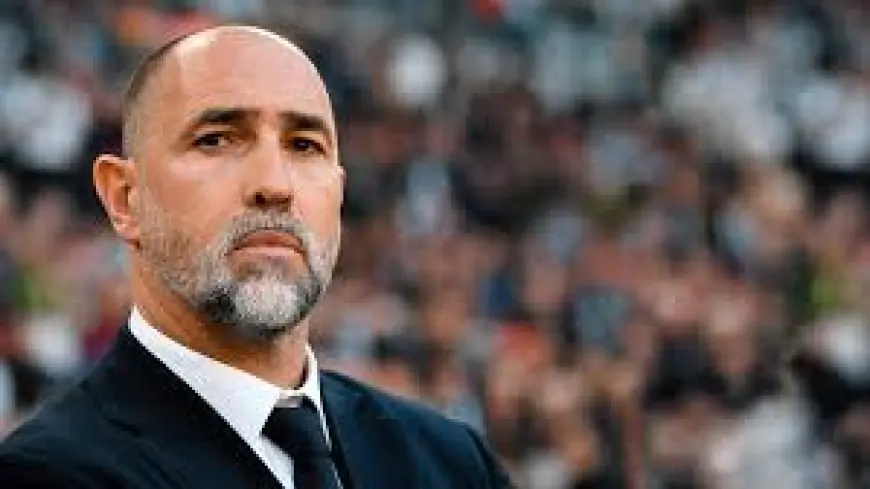
Igor Tudor has been named interim head coach until the end of the season, taking charge on 14 February 2026 at 12: 00 ET with a clear warning: there is no time for excuses. The 47-year-old inherits a squad in danger of slipping into a relegation battle, sat 16th in the table and five points above the danger zone with 12 matches remaining. Tudor's immediate task is to stabilise results, rebuild confidence and cope with a lengthy injury list before a testing run of fixtures, beginning with a home clash against rivals on 22 February 2026.
Priorities: confidence, courage and clear training
Tudor has been unequivocal about the scale of the job. "There is no time to find excuses, " he said, adding that the club's current league position "is one that nobody can accept" and that supporters will expect better. With roughly a dozen players sidelined, restoring belief among those available is the immediate priority. He stressed the importance of training to lay the groundwork for quicker improvements on the pitch, saying the coach must "show the path" and that players must accept and follow it.
The new head coach emphasised a balance between identity and pragmatism. He stated that style matters — the way the team plays is shaped by club culture — but he also insisted he would be pragmatic, finding a system that suits the players who are fit now. That means short-term problem-solving as well as longer-term organisation: organise, energise and improve results quickly, he said, while stressing that everyone must give something extra to turn results around.
Immediate challenges: injuries, a tough fixture list and European commitments
Tudor steps into the role after an eight-game winless run under the previous manager, a sequence that ended with a 2-1 defeat and prompted the change. The club also carries Champions League commitments that resume in March, adding complexity to squad management and selection. Balancing a push for domestic stability with progression in Europe will test his ability to rotate and motivate a depleted group.
Injuries are a significant factor: with double-digit absences, Tudor must identify a system that can be executed reliably by the players available. He has experience stepping into mid-season assignments and delivering short-term improvement, having worked across several leagues and arrived with a reputation for restoring competitiveness quickly. Still, the immediacy of high-profile fixtures — including the first game in charge at home on 22 February 2026 — leaves little margin for error.
Outlook: pragmatic change, but high expectations
The timeframe is tight. With 12 league matches left, each result will carry weight in the final table. Tudor's approach is straightforward: demand intensity, rebuild confidence and ensure training produces tangible change on matchday. He acknowledges the task will be difficult but frames it as one that requires collective responsibility — staff, players and supporters all have a role to play.
For now, attention will focus on the immediate improvements he can extract from an undermanned squad and whether his emphasis on training, organisation and renewed belief can halt a worrying slide. The coming weeks, starting with the home fixture on 22 February 2026, will offer the clearest measure of whether the interim appointment can stabilise form and steer the club away from the relegation fight.