























Colbert Blasts F.C.C. Move After Network Blocks James Talarico Interview

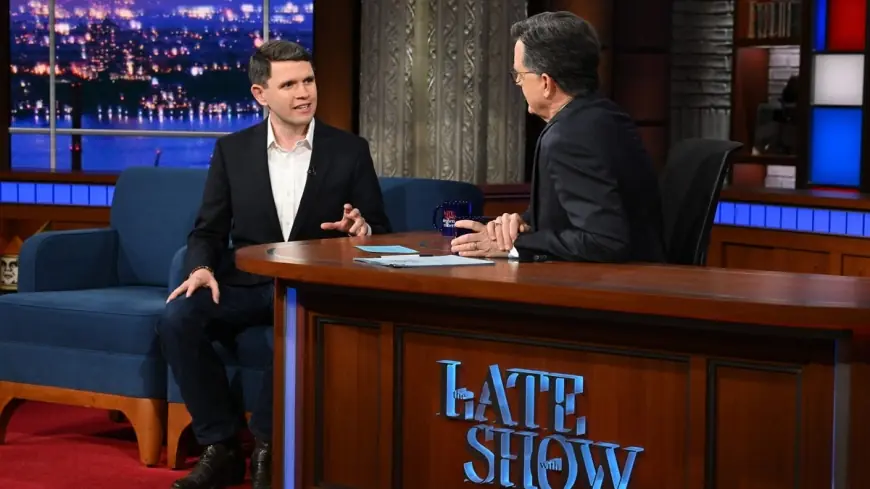
Stephen Colbert used his late-night platform on Monday, Feb. 16, 2026 (ET), to call out a shift in enforcement of the F. C. C. 's equal-time rules after network lawyers told him a scheduled interview with Texas state representative james talarico could not air. Colbert said the lawyers also instructed him not to mention that the segment had been pulled — a directive he openly defied on the broadcast and by making the interview available online.
What unfolded on screen
Colbert told viewers the representative "was supposed to be here, but we were told in no uncertain terms by our network's lawyers that we could not have him on the broadcast. " He framed the legal pushback as a reaction to a recent F. C. C. pronouncement that re-examines a long-standing exemption for news and talk-show interviews from the equal-time rule. That rule, which governs broadcast radio and television during elections, requires that if a station gives time to one candidate it must offer comparable opportunities to opponents in the same race.
The host mocked the new stance and accused the chair of the commission of weaponizing the rule to silence critics of the administration. He argued the change strips away a long-practiced interview exemption that allowed voters to see candidates in conversational settings on broadcast television. The interview with james talarico was posted online after it did not run on the broadcast segment.
Who james talarico is and why the moment matters
James Talarico is a Texas state representative who has drawn national attention as he campaigns for his party's U. S. Senate nomination. A former Teach for America teacher with degrees in government and education, he has combined a progressive policy platform with a faith-based personal story; he also earned a Master of Divinity while serving in the legislature. He first won his seat in 2018 and has been noted for activism around education and voting-rights issues, including participating in high-profile walkouts to block legislation.
The blocked broadcast segment arrived as Talarico vies for a Senate spot in a competitive primary that could reshape his party's standing in Texas. The forced shift from broadcast to online distribution turned the appearance into a flashpoint about how much access candidates will have to traditional airwaves if regulators alter long-standing practices. Talarico described the exchange as "the interview Donald Trump didn't want you to see, " and the incident amplified his profile ahead of the upcoming primary.
Broader implications for broadcasters and campaigns
Legal and political analysts have warned that narrowing the talk-show exemption could push networks to limit political interviews on broadcast programs out of caution, especially in midterm and presidential-election seasons. The equal-time framework applies to over-the-air radio and television; cable and streaming platforms are not covered in the same way. If broadcasters interpret the commission's renewed scrutiny conservatively, viewers may see fewer substantive, conversational interviews with candidates on traditional television.
Colbert cast the change as part of a wider concern about political pressure on media gates, saying the move chills free expression and deprives voters of a chance to hear from challengers in formats that reach broad audiences. For campaigns like Talarico's, the restriction adds another layer to already complex media strategies: reach remaining intact through digital channels but risk losing the visibility that broadcast slots still provide for many voters.
Whatever the legal outcome, Monday's exchange made clear that enforcement choices at the commission level can ripple quickly into editorial decisions at networks, changing who voters see on air and how campaigns are covered in the weeks and months before key primaries and general elections.