
























‘Remember you are dust’: Why pews swell on Ash Wednesday as Lent begins

Each year the pews on Ash Wednesday look different from a routine Sunday: more faces, more first-timers and a brisk, almost ceremonial urgency to receive the smudge of ashes. Even when attendance at Mass is otherwise steady or slipping, that Wednesday before Lent routinely ranks among the highest-attended services. What brings people back in such numbers — and what does that small cross of ashes mean in a fast-moving, digital age?
Public identity, private reflection
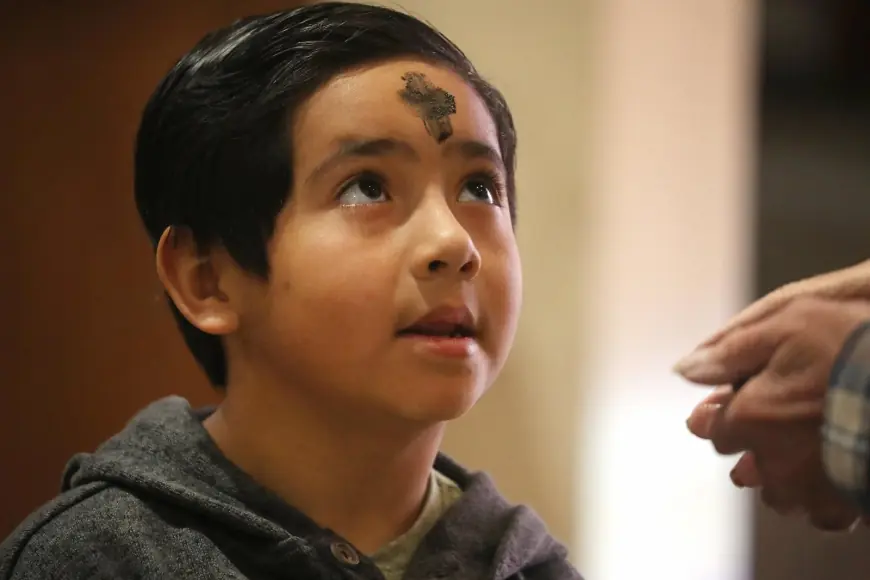
The sight of sooty ash pressed into foreheads functions on multiple levels. For many it is a clear public statement of religious identity and belonging. The brief, visible mark communicates, quietly but unmistakably, that the wearer claims a connection to a Christian tradition as Lent begins. At the same time, the ritual is framed as an invitation to interior reflection: the words uttered with the ashes — often a rendition of “Remember that you are dust” or a call to repentance — prompt thoughts of mortality, sin and the need for spiritual renewal.
Church attendance measurements that tracked Masses from 2019 through 2024 show Ash Wednesday routinely competes with the highest-attended services of the year, such as holidays celebrated months later. In 2024, attendance on Ash Wednesday even exceeded the numbers recorded at Christmas the previous year. That indicates the day’s pull is not merely customary but meaningful for many participants.
The act itself is compact and public: a quick sign on the forehead and a spoken phrase. It offers a tangible ritual in an age when many spiritual practices are private or digital. People say the gesture helps them bridge interior commitment and outward expression — a way to begin Lent with both personal intention and communal affirmation.
The ash’s layered symbolism
The ashes used on Ash Wednesday have their own material backstory: they are traditionally created from the palms blessed on Palm Sunday of the previous year. That continuity links the final days of one liturgical cycle to the commencement of another and reinforces the seasonal arc of repentance turning toward resurrection.
Liturgical guidance describes the use of ashes as a survival of older penitential practices, originally associated with public penance. The gesture symbolizes fragility and mortality and underscores dependence on mercy. Yet guidance also warns against treating the mark as a mere outward show; the ritual is intended to dispose the faithful toward genuine interior conversion and renewed commitment through the Lenten season.
Despite the dramatic public display, the ash is not a substitute for other spiritual disciplines. Observers note that while many flock to receive ashes, the same crowds do not always translate to increased participation in the sacrament of penance. Still, the symbol’s power lies in its ability to make abstract themes — death, judgement, forgiveness, renewal — suddenly, personally present.
What to expect for Lent 2026
For those planning their calendars, Ash Wednesday in 2026 falls on Wednesday, Feb. 18, 2026 (ET), and marks the start of the 40-day Lenten run that concludes before Easter. The Lenten period in 2026 runs through Thursday, April 2, 2026 (ET). Good Friday falls on Friday, April 3, 2026 (ET), and Easter Sunday is on April 5, 2026 (ET). These shifting dates shape personal commitments of fasting, prayer and almsgiving, and they shape parish programming for the six weeks leading to Holy Week.
Beyond liturgical calendars, Ash Wednesday also signals a seasonal shift. In the Northern Hemisphere the day often coincides with the first hints of spring, and that natural sense of renewal complements the spiritual work of Lent. For many participants, receiving ashes serves as both a reminder of limits and a practical first step toward intentional change: giving up a habit, taking on daily prayer, or committing to acts of service.
Whether drawn by identity, ritual, or a desire for renewal, the packed pews on Ash Wednesday underline a simple truth: ritual matters. In a brief, visible moment people are asked to remember their mortality, confront the reality of sin, and look ahead to the promise of renewal — and for countless attendees, that combination is worth making the time to be present.