
























nasdaq today: market coverage hit by access barriers as traders seek alternate feeds

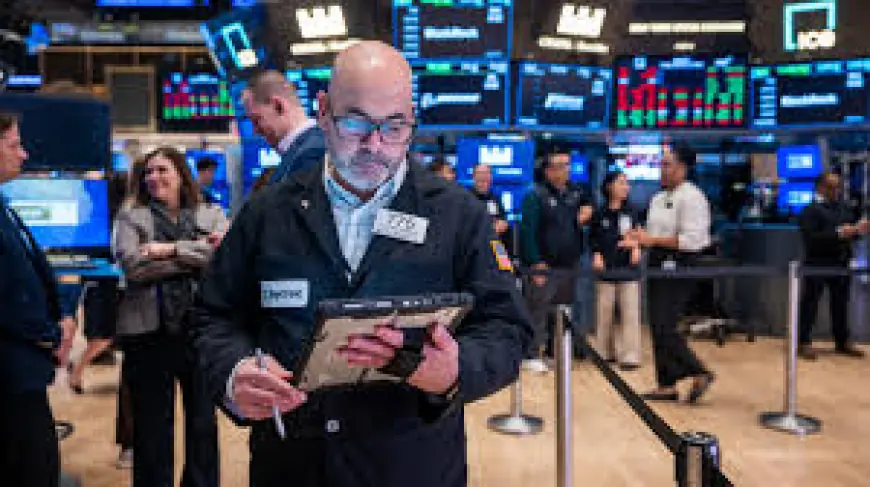
Market participants tracking nasdaq today ran into blocked pages and robot-verification prompts across several large financial news pages during the morning and midday sessions. The interruptions, visible as access-denied messages and requests to enable JavaScript and cookies, created headwinds for traders relying on quick headlines and commentary while markets moved from the open at 9: 30 AM ET toward midday trading.
What investors encountered on market pages
Throughout the morning, anyone attempting to pull up live market commentary or breaking headlines on widely used information pages was sometimes met with automated challenge screens or error banners instead of streaming updates. Messages flagged issues with JavaScript, cookies and bot detection tools, and some content delivery systems returned reference IDs linked to access denials. The experience ranged from brief verification prompts to full page blocks, and it affected both desktop and mobile browsers.
Traders and advisors who expected instant access to index movement, earnings notes, and analyst takes found themselves switching tactics. The disruptions were most acute in the run-up to and shortly after the 9: 30 AM ET open, when volatility typically concentrates and speed of information is critical for short-term positioning.
How market participants adjusted
Faced with restricted access to standard news feeds, many market actors reverted to alternative channels for real-time pricing and context. Broker-dealer platforms, direct exchange feeds, and dedicated market terminals provided the primary data stream for active traders. Portfolio managers and retail investors leaned more heavily on brokerage alerts and internal trading dashboards to monitor nasdaq index behavior and individual stock swings.
Social feeds and chat rooms also saw a spike in activity, as users shared screenshots and concise updates to compensate for blocked pages. That decentralized flow of information helped fill gaps but raised concerns about accuracy and timeliness versus official feeds. For day traders, the need to verify quotes across multiple sources became pronounced, particularly when spreads widened briefly amid heavier order flow.
Market implications and next steps
Short-term information gaps like these can amplify market noise. When headline access is uneven, price discovery becomes more dependent on quote providers and exchange liquidity, potentially increasing intraday volatility and widening bid-ask spreads for less liquid names. Institutional desks were monitoring execution quality closely and adjusting algorithmic strategies to account for any latency or data inconsistencies.
If access issues persist into late trading or recur on subsequent days, exchanges and market operators are likely to assess whether broader infrastructure or distribution problems played a role. Regulators typically watch for prolonged outages that might impede fair and orderly markets, and trading firms may revisit redundancy plans to ensure uninterrupted access to pricing and regulatory filings.
Investors following nasdaq today should confirm quotes directly through their brokerage platforms during any reported access incidents and treat headlines shared on informal channels with caution until primary sources are verifiable. The market calendar remains active through the close at 4: 00 PM ET, and participants will be tracking the session’s developments as they unfold.