
























Live Mardi Gras coverage from New Orleans and surrounding parishes

As Carnival reached its climax on Tuesday, Feb. 17, 2026 (ET), parades rolled, crowds packed parade routes across Orleans and Jefferson parishes, and officials balanced celebration with stepped-up enforcement. Fat Tuesday festivities overlapped with Lunar New Year events in parts of the region, and communities prepared to observe Ash Wednesday the next day, the start of the season of lent.
Parades, personalities and neighborhood traditions
Uptown New Orleans drew thousands as krewe floats and marching units filled familiar routes, marking the final push of the Carnival season. The Krewe of Bacchus rolled Uptown on Sunday night, Feb. 15, 2026 (ET), featuring a high-profile guest who celebrated a recent Pro Football Hall of Fame honor from a custom float. An actor served as the krewe’s Bacchus this year, continuing a long-running tradition of celebrity monarchs joining the procession.
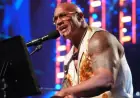
On Bourbon Street, a long-standing greasing of the poles competition produced a winner at the Royal Sonesta: a musician claimed top honors in the 56th annual contest. Elsewhere, the majority-Asian Krewe of Zodiac joined forces with another krewe to bring Lunar New Year energy to a Metairie route, underscoring how this Mardi Gras season intersected with the Lunar New Year calendar.
Across the lake on the Northshore, a stroll along the Covington route offered an intimate moment when a paused parade became the setting for a proposal along the Krewe of Olympia’s path. Riverfront and neighborhood rituals — from brass bands to boil pits — continued to anchor parades in local culture as thousands turned out to watch and participate.
Safety measures and unusual incidents
enforcement was a prominent theme this Carnival season, with authorities prepared to remove, cite or arrest anyone whose conduct endangered others. In one notable enforcement action, all riders on Float 32 in a Thoth parade were removed after law enforcement received reports that throws from the float were directed aggressively toward federal officers. City leadership warned that floats may be emptied if a participant’s actions put the public at risk.
Security patrols and wildlife officers also responded to an unusual and dangerous incident early on Feb. 14, 2026 (ET), when a man was taken into custody after walking through crowds with a live alligator. Officers found the individual in possession of a firearm and an illegal substance; the episode prompted renewed reminders to paradegoers about keeping distance from wildlife and complying with public safety directives.
Police and event organizers emphasized crowd control and clear rules for float riders and spectators, urging attendees to report reckless behavior and to follow instructions from public-safety personnel along the routes.
Fat Tuesday customs and the march toward Lent
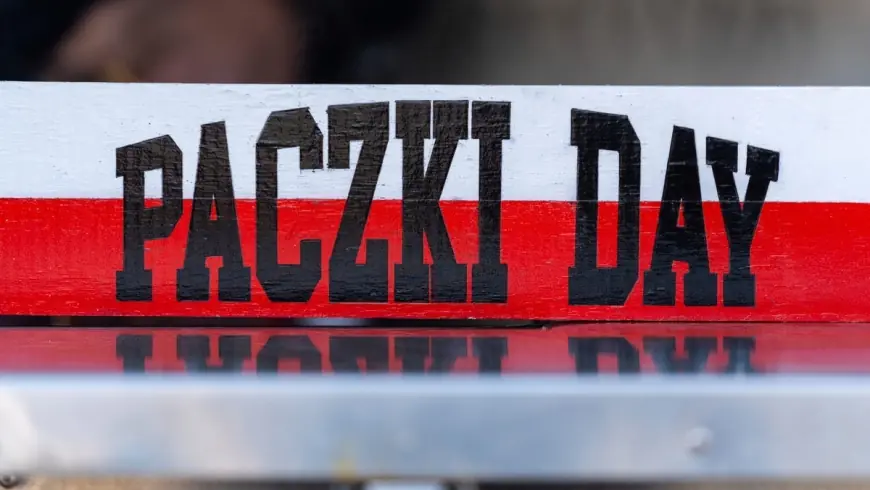
Fat Tuesday — the English translation of the French term Mardi Gras — serves as the indulgent finale to Carnival, a period that traditionally ends the day before Ash Wednesday. For many, the day is an occasion for rich foods and festive treats: in other parts of the country, patrons line up at bakeries for filled pastries that have become a Fat Tuesday staple, while parades, costumes and communal meals cap the pre-Lenten revelry.
Religious communities prepared to mark Ash Wednesday on Wednesday, Feb. 18, 2026 (ET), which begins the 40-day season of lent leading up to Easter. The first day is commonly observed with the imposition of ashes — a visible sign of penitence rooted in older religious practices that underscores lent’s focus on prayer, fasting and charity. For many celebrants, Fat Tuesday remains a final, festive pause before that period of reflection.
As crowds dispersed and clean-up crews moved in across New Orleans and neighboring parishes, officials emphasized both the joy of the city’s traditions and the need for responsible behavior, reminding revelers that the spirit of Carnival can coexist with public-safety obligations as the region transitions into the solemn season ahead.