




















Jeff Hardy Admits He Was 'Freaked Out' During Matt Hardy–Edge Feud

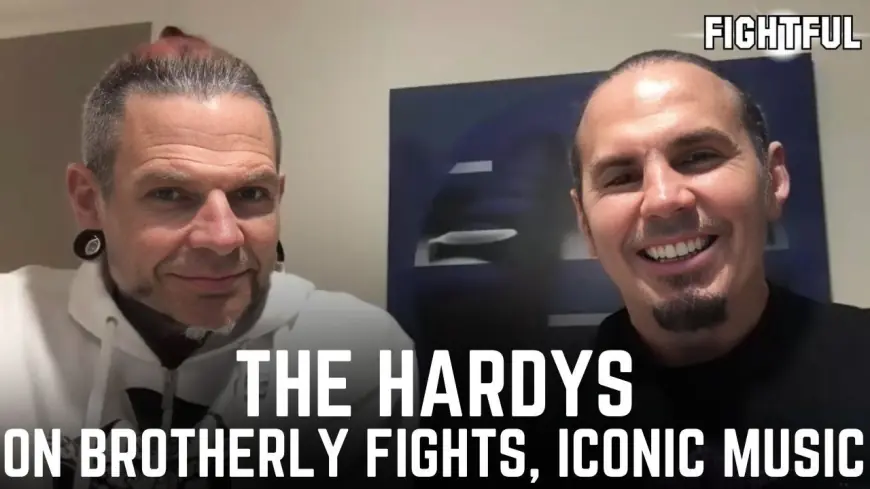
The Hardy brothers opened up about moments when in-ring storytelling crossed into genuine concern for one another. Matt Hardy described a white-knuckle instant at TLC 2 when Jeff attempted a high-risk spear, and Jeff revealed he was unsettled by the personal intensity of Matt's feud with Edge.
Brotherly worry at TLC 2
Matt Hardy revisited one of the more nerve-racking spots of his career, recalling how he watched Jeff prepare for a spear during the famous TLC 2 match. Timing was the central worry — if the beat was off, the move could have had catastrophic consequences. Matt said he positioned himself near the apron to both sell the action and keep an eye on his brother's landing. He described peering up in that classic ringside reaction style and silently pleading, "Please don't land on your head, Jeff. Don't land on your head. "
Those moments underline the fragile choreography behind high-impact wrestling spots. What looks like spontaneous chaos in front of a packed arena is actually the result of rehearsed timing and mutual trust. Matt praised Jeff's execution, noting that his brother pulled the spot off perfectly, but the anecdote serves as a reminder that even veteran performers can be left breathless watching one another take those risks.
When scripted heat feels dangerously real
Jeff Hardy returned the sentiment when discussing the run-in between Matt and Edge. That storyline carried a heavier emotional charge than many angles because it drew on elements that felt personal to the performers. Jeff admitted he was "a little freaked out" that the intensity could spill into something unsafe. His fear wasn't a comment on skills or intent so much as a reaction to the volatile mix of real-life tension and in-ring violence.
Blending authentic emotion with staged conflict can amplify drama for audiences, but it also elevates the stakes for those inside the ring. When performers lean into the anger or personal history that fuels a feud, routine spots and transitions can feel more precarious. Jeff's admission highlights an often-overlooked cost of realism: wrestlers must manage not only physical danger but also the psychological pressure that comes from portraying deeply felt animosity.
Safety, trust and the toll of spectacle
The Hardys' reflections point to broader questions about how promotions balance compelling narratives with performer safety. High-risk maneuvers remain a hallmark of modern wrestling, and producing memorable moments still depends on meticulous planning and mutual confidence. Yet when storylines tap into personal grievances, the emotional layer can complicate that planning.
Beyond the immediate physical concerns, these anecdotes emphasize the importance of backstage communication and care. Performers who feel emotionally vulnerable during a heated angle may need extra safeguards, whether that means adjusting choreography, adding rehearsed checks, or simply ensuring a support network is in place. The brothers' candidness about their fears serves as a prompt for creative teams to consider how to protect talent while preserving the drama fans expect.
For viewers, Jeff and Matt Hardy’s comments offer a rare glimpse at the human cost behind headline spots and heated feuds. Their willingness to speak openly about being worried for one another reinforces that even within an industry built on spectacle, trust and personal care remain the foundation of every successful performance.