






















Robert Duvall: unlikely Scottish football cult hero

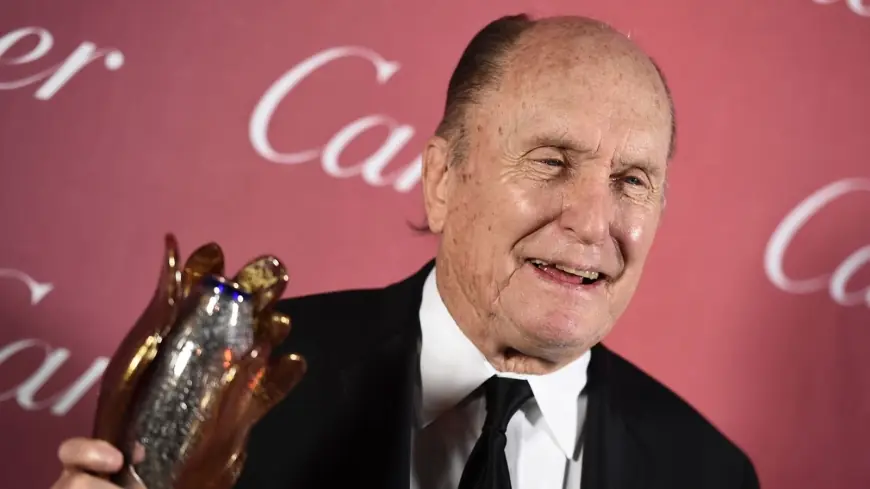
Robert Duvall, the veteran actor who died on Monday (ET) aged 95, will be remembered for iconic roles in major Hollywood films. Less widely known — but no less genuine — is the affection he earned in Scotland after portraying beleaguered manager Gordon McLeod in the 2000 football drama A Shot at Glory. For many Scottish fans and players, that small corner of his work secured a lasting, unlikely legacy.
From Hollywood heavyweight to Kilnockie manager
Best known for roles such as Tom Hagen in The Godfather and Lieutenant Colonel William Kilgore in Apocalypse Now, Duvall surprised audiences by stepping into the boots of a small‑town Scottish football manager. The film paired him with a cast that mixed Hollywood names and real football figures: he shared the screen with a leading former striker playing Jackie McQuillan and acted alongside established film stars and Scottish footballers who lent authenticity to the production.
Filming took place at grounds across Scotland, including several storied stadiums, and Duvall threw himself into the project. He was a familiar sight at matches and training sessions while preparing for the role, studying local football culture and absorbing the rhythms of supporters and players. That immersion helped make the fictional Kilnockie and its ragged‑rounder hero under McLeod feel convincing on screen.
Beloved by players and fans
Duvall’s engagement with the football community went beyond location shoots. He popped up at grounds, appeared on Scottish television as a pundit in 1999, and later spoke in interviews about his affection for the game — even naming a dog after a Celtic legend. Those eclectic touches fed into an image of a Hollywood star who genuinely enjoyed the craic and fitted in with the squad.
His on‑set camaraderie left a deep impression on those he worked with. One of his co‑stars, a leading former striker who partnered with Duvall in the film, reflected on their friendship and the actor’s warmth. He recalled that Duvall loved the banter, took the cast and crew out to dinner, watched impromptu games such as heady tennis from the sidelines, and maintained personal touches thereafter — sending his family a Christmas card each year. "I was gutted, " the co‑star said of Duvall’s death. "The first thing you have got to say is what an innings. 95. But what a guy. What a man he was. "
An unlikely but enduring legacy
In Britain’s football memory, Duvall’s time in Scotland remains an amusing and affectionate footnote to an otherwise towering career. It is a reminder that even giants of cinema can find new, unexpected connections far from Hollywood. His devotion to craft — studying the culture, attending matches and treating local players as colleagues — helped transform a job into a genuine exchange of respect.
His passing prompted tributes from peers and admirers across the arts. Colleagues hailed his storytelling gift and mentorship; one actor called him "the greatest storyteller of all time" and described him as a guiding figure. Yet among Scottish fans and the players who shared a pitch or a dinner table with him, Duvall will likely be recalled for a different sort of achievement: becoming, briefly but memorably, one of their own.