























Norway is a Winter Olympic Giant. Why Isn’t It Better at Men’s Hockey?

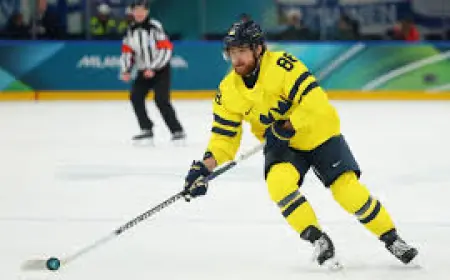
NORWAY — For a nation that leads the Winter Olympics medal table and dominates sport after sport on snow, its standing in men’s ice hockey looks incongruous. Norway came within a single victory of qualifying for the 2026 men’s Olympic tournament, yet it ultimately missed the cut — a disappointing outcome for a country that has produced one standout NHL star but few other elite pros.
Participation gap and infrastructure shortfalls
One of the clearest explanations for Norway’s hockey struggles is the sheer scale of participation when compared with its Nordic neighbors. Norway has fewer than 15, 000 licensed players, a fraction of the player base in neighboring hockey nations. That limited pool constrains everything from grassroots competition to the depth of development programs and the number of players who reach elite leagues.
Rink availability compounds the problem. Norway has just 54 indoor rinks nationwide. By contrast, there are more artificial ice facilities within a short drive of major neighboring capitals than in the country as a whole. Fewer rinks means fewer regular practice hours, less offseason training and fewer community hubs that can feed talent into club systems.
The professional pipeline reflects those shortages. Only three Norwegians have appeared in NHL games this season, and the nation’s top player has had to travel abroad for exposure and development. Those realities make it harder for coaches and clubs to identify and nurture the number of players needed for sustained international success.
Culture, geography and competing sports
Norway’s sporting identity is strongly tied to skiing and other snow disciplines, where the country has long produced role models and broad public enthusiasm. That cultural momentum funnels young athletes into cross-country skiing, biathlon and similar sports, leaving ice hockey to compete for attention and resources. Soccer and handball also command significant participation, further thinning the ranks of prospective hockey prospects.
Geography plays a part as well. Much of Norway is mountainous and oriented toward winter landscapes that favor skiing and outdoor winter activities rather than ice sports. For many families and communities, skating and hockey are less practical choices than downhill or cross-country pursuits.
Economic factors are intertwined with culture and geography. Building and maintaining indoor rinks is expensive, and smaller municipalities must weigh those costs against other community priorities. That math helps explain why hockey remains secondary in many parts of the country.
Individual pathways and the road ahead
There are, however, individual success stories that show what is possible. One Norwegian player has amassed over 900 NHL games — more than 700 games clear of his next-closest countryman — and his path involved traveling abroad for competitive opportunities and inspiration. Those personal journeys underscore both the potential and the structural hurdles small hockey nations face.
Missing both the men’s and women’s Olympic tournaments was called “a sad thing” by the national association’s leadership, who view qualification as a major opportunity to promote the sport and attract young players. A single Olympic appearance can elevate visibility, spark investment in rinks and create new role models; the missed chance therefore carries consequences beyond a single tournament.
Fixing the gap will require coordinated effort: more facilities, stronger youth recruitment, targeted funding and a spotlight on hockey in schools and communities. Incremental changes to infrastructure and program funding could expand the talent pipeline, but cultural shifts are slower and hinge on creating visible successes that inspire the next generation.
For now, Norway remains a winter-sports powerhouse with one conspicuous blind spot. Its challenge in men’s ice hockey is not a mystery so much as a combination of small numbers, limited facilities and competing sporting priorities — problems that can be addressed, but will take time and sustained commitment to change.