

























Ash Wednesday draws packed pews as Catholics mark start of Lent

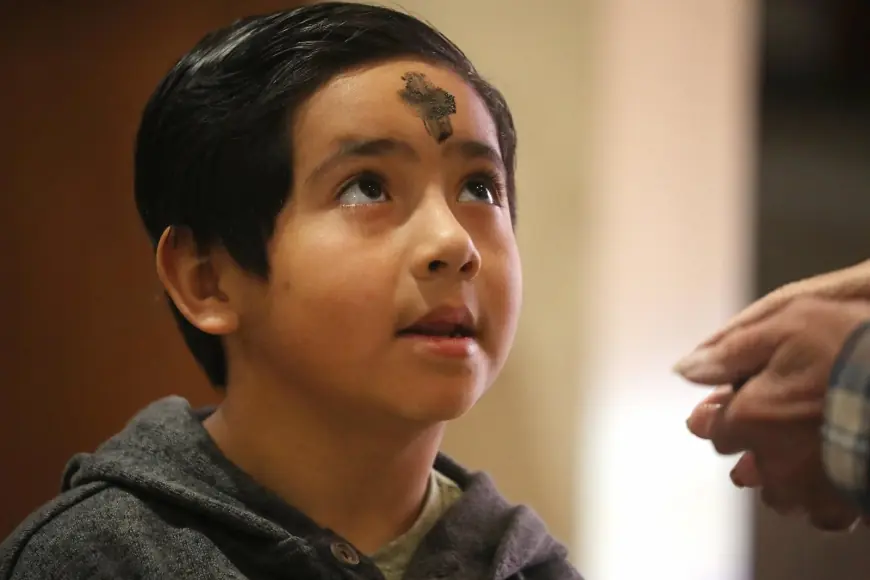
On Ash Wednesday, congregations that might seem sparse on an ordinary weekday fill up as people line up for the brief ritual of receiving ashes. For many, that dark smudge on the forehead is both a public identity signal and a private invitation to reflection as the 40-day Lenten journey begins.
Why Ash Wednesday draws crowds
Data tracking Mass attendance from 2019 through 2024 shows Ash Wednesday remains one of the year’s most attended services, rivalling and in some years exceeding Christmas and Easter. The phenomenon is striking because Ash Wednesday is not a holy day of obligation in most places and receiving ashes is not mandatory, yet people still make a point to attend.
For many worshippers, the ritual is a visible declaration of belonging. Young adults in particular have been noted to embrace the ritual as a clear marker of Catholic identity: the forehead cross of ashes is an outward statement that resonates in a culture where visible symbols carry social meaning. At the same time, many Protestant denominations also observe the day, so the presence of an ash mark does not always signal a single tradition.
The draw is not only social. For congregants, ashes offer a concentrated point for contemplation—mortality, sin and the need for renewal. Priests and theologians describe the ritual as a shorthand for larger spiritual commitments: a small, public sign that signals an inward turning toward repentance and preparation for Easter. Yet the ritual’s popularity does not necessarily translate into a spike in other penitential practices; confessional activity often remains steady even as Ash Wednesday attendance surges.
What the ashes mean and where they come from
The ashes used on Ash Wednesday are traditionally made from last year’s blessed palm branches. The practice has roots stretching back centuries and evolved from older penitential customs: the placing of ashes symbolized sorrow for sin and a readiness to undertake public penance. Over time, the gesture became more widely available to the faithful as a way to mark the start of the Lenten season.
Liturgical guides emphasize that the act of receiving ashes is intended to be more than mere symbolism. The ashes symbolize human fragility and mortality and point to the need for mercy and conversion. Worship leaders are encouraged to help participants perceive the deeper, internal significance of the ritual so that it serves as a genuine spiritual preparation for Easter rather than an empty outward sign.
Dates to know for the 2026 Lenten season (Eastern Time)
Ash Wednesday in 2026 falls on Wednesday, Feb. 18, 2026 (Eastern Time), marking the start of Lent. The forty-day season of fasting and reflection runs through Thursday, April 2, 2026. Key observances include Good Friday on April 3, 2026, and Easter Sunday on April 5, 2026. Easter’s date shifts year to year because it is set as the first Sunday after the first full moon occurring on or after the spring equinox.
For worshippers, these calendar anchors matter both liturgically and culturally: Ash Wednesday offers a pointed beginning, while the weeks that follow provide a structured opportunity for personal discipline, communal worship and preparation for Holy Week.
Whether driven by identity, ritual longing or a desire for renewal, the packed pews on Ash Wednesday underline the ritual’s enduring power: a small cross of ash that asks those who receive it to remember their mortality, confront their shortcomings and look ahead to new life at Easter.