

























Pam Bondi’s combative congressional hearing raises fresh questions about oversight and decorum

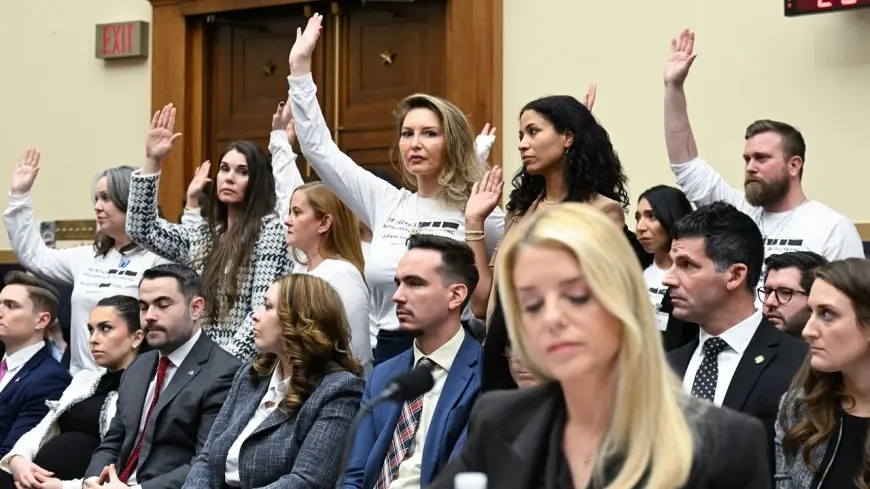
Attorney General Pam Bondi turned a routine oversight session into a prolonged, often bitter, confrontation with members of Congress, deploying personal attacks and what-aboutism while resisting requests for information on high-profile matters. The four-and-a-half-hour hearing on Wednesday showcased a gloves-off approach that left lawmakers on both sides frustrated and raised concerns about the prospects for serious oversight.
Heated exchanges and a theater of defiance
The session quickly devolved from procedural questioning into a series of sharp, sometimes profane confrontations. Bondi repeatedly interrupted and scolded members of the committee, at one point telling a legislator, "You don’t tell me anything, you washed-up loser lawyer. Not even a lawyer. " That exchange was emblematic of a broader pattern: sustained rhetorical attacks on questioners, a pointed lack of deference to committee norms, and an emphasis on theatrical rebuttal over substantive answers.
Lawmakers who tried to press for lists, documents and clearer explanations found themselves rebuffed. When asked for a list of organizations designated as domestic terrorist groups, the response was sharp and dismissive rather than explanatory. Bondi’s approach included what critics called a premeditated strategy of deflection—raising questions about how predecessors were handled and pivoting to targeted critiques of individual members, using a tabbed binder to bring up criminal cases from their districts.
The session’s tenor made it difficult for committee members to extract new facts. Requests for specific materials, including files that some members have sought on Jeffrey Epstein-related investigations, were met with skepticism or deflection, leaving lawmakers warning that the hearing produced theater rather than answers.
Partisan tactics, praise for the president and cross-party ire
Bondi’s confrontational style did not spare members of her own party. She leveled barbs at a Republican who has pushed for release of certain Justice Department files, calling him a "failed politician" and accusing him of suffering from "Trump Derangement Syndrome. " At the same time, she lavished effusive praise on the president throughout the session, inserting partisan loyalties into discussions that lawmakers on both sides said should be grounded in law and evidence.
That mix of partisan zealotry and scorn for questioning created unusual scenes: moments of overt praise followed by targeted attacks on opponents, including references to votes and positions on unrelated legislation such as measures aimed at preventing AI-generated revenge porn. Members who tried to keep the hearing focused on oversight or public-safety implications found the path repeatedly obstructed by what one lawmaker called indignance mixed with disdain.
Implications for oversight and public trust
Beyond the spectacle, the hearing highlighted deeper institutional tensions. Oversight hearings are designed to enable lawmakers to gather facts and hold executive officials accountable. When a witness treats the proceeding as a platform for partisan combat and personal rebukes, the ability of Congress to fulfill that constitutional function is diminished.
Observers and lawmakers left the hearing questioning whether the exchange advanced public understanding of key issues—domestic terrorism designations, access to files tied to high-profile investigations, and the department’s priorities. The performance also raised procedural questions for future oversight: how committees should respond when a witness repeatedly refuses to provide requested information, and what mechanisms exist to compel cooperation without further inflaming partisanship.
For now, the hearing is likely to amplify calls from members who want more transparency and more direct answers from the Justice Department. It also signals that future sessions may be similarly fractious unless leaders on both sides find new ways to enforce decorum and press for substantive disclosure. Whether that happens will shape not only the department’s relationship with Congress but also public perceptions of accountability at the nation’s top law-enforcement agency.